A manufacturing enterprise mainly engaged in the design and manufacture of cold bending equipment

Understanding Cold Bending Machines: Essential Insights for Metal Fabrication Professionals
2026-06-30
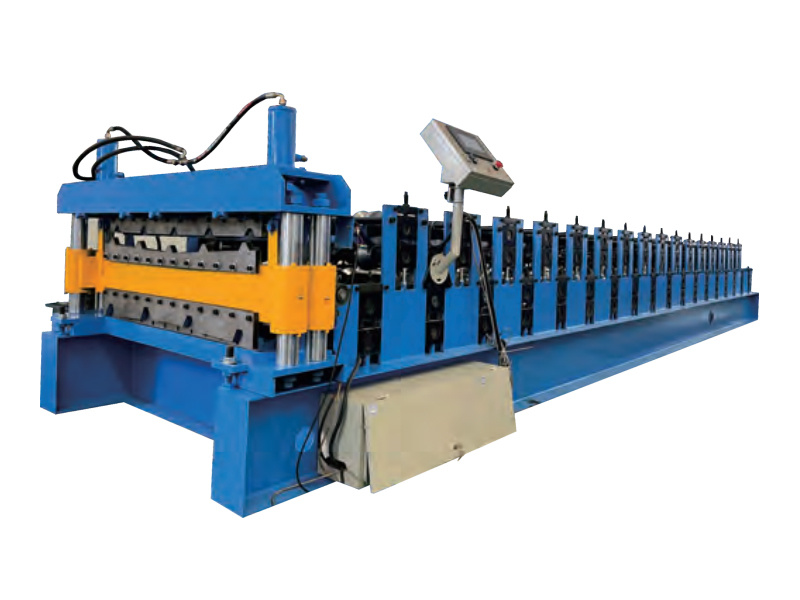
Cold bending machines are specialized tools designed to bend metal sheets and profiles without the application of heat. This process not only preserves the integrity of the metal but also allows for precise control over the bending angle and radius. These machines are widely used in the production of components for construction, automotive, and various manufacturing industries, making them an essential asset for any metal fabrication workshop.
The operation of a cold bending machine typically involves the use of rollers or dies that manipulate the metal into the desired shape. Depending on the design of the machine, operators can adjust the speed, pressure, and angle of the bending process to cater to specific project requirements. This flexibility is one of the key advantages of using cold bending machines, as they can accommodate a variety of materials such as steel, aluminum, and other metals.
One of the standout features of cold bending machines is their ability to produce high-quality bends without compromising the metal's properties. Unlike hot bending processes, which can alter the material's structure and lead to weaknesses, cold bending maintains the strength and durability of the metal. This characteristic is particularly important in applications where structural integrity is paramount.
Another significant benefit of cold bending machines is their efficiency. These machines can rapidly produce multiple bends in a short amount of time, allowing manufacturers to streamline their production processes. Additionally, the absence of heating elements reduces energy consumption, making cold bending a more cost-effective option in many scenarios.
Cold bending machines come in various configurations, including manual, semi-automatic, and fully automatic models. The choice of machine often depends on the scale of production, the types of materials used, and the complexity of the bends required. For smaller workshops, manual machines may suffice, while larger operations may benefit from the speed and precision of automated systems.
In terms of applications, cold bending machines are utilized in various sectors. In construction, they help create structural components such as beams and columns. In the automotive industry, these machines are essential for producing parts that require precise bends, such as chassis and brackets. Moreover, they are also used in manufacturing furniture and appliances, where metal frames and supports are common.
In conclusion, cold bending machines are invaluable tools in the metal fabrication industry, offering efficiency, precision, and material integrity. For professionals seeking to enhance their production capabilities, understanding the features and benefits of cold bending machines can be a significant advantage. By integrating these machines into their operations, manufacturers can ensure high-quality outputs that meet the demands of their respective markets.
Previous Article:

Contact Us
Email:
WhatsApp:
WhatsApp:
Address:
Xing Village, Shibawu, Botou Town, Cangzhou City, Hebei Province



Message Inquiry