A manufacturing enterprise mainly engaged in the design and manufacture of cold bending equipment

Understanding the Mechanics of Floor Decking Forming Machines: A Comprehensive Guide
2026-06-25
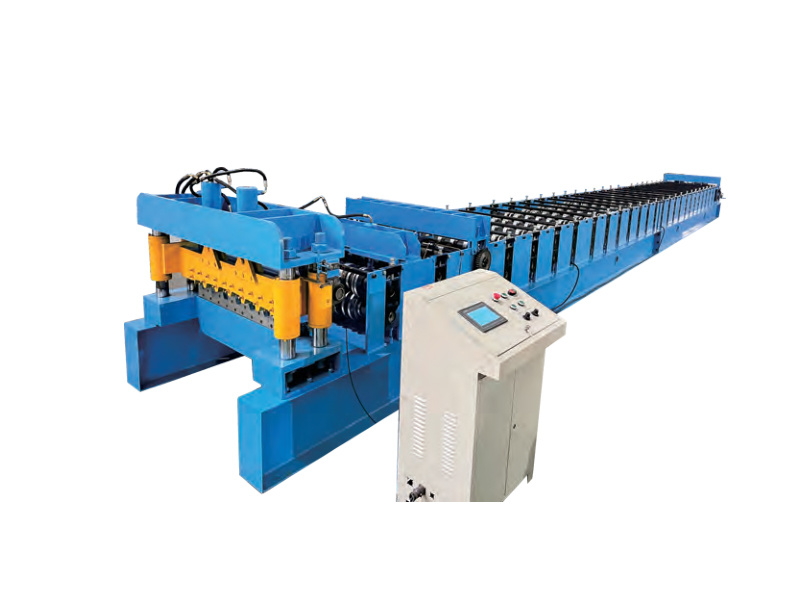
Understanding the Mechanics of Floor Decking Forming Machines
Floor decking forming machines play a crucial role in the manufacturing of metal structures. For industries involved in construction and metal processing, understanding the mechanics of these machines is essential. This guide will detail every aspect, from the components to the benefits of utilizing these machines in production.
Table of Contents
- What is a Floor Decking Forming Machine?
- Key Components of Floor Decking Forming Machines
- How Do Floor Decking Forming Machines Work?
- Benefits of Using Floor Decking Forming Machines
- Applications in the Metal Processing Industry
- Maintenance Tips for Floor Decking Forming Machines
- Troubleshooting Common Issues
- Frequently Asked Questions
- Conclusion
What is a Floor Decking Forming Machine?
A **floor decking forming machine** is a specialized piece of equipment used in the **metal processing industry** to produce decking sheets for various construction applications. These machines utilize advanced technology to transform raw metal sheets into pre-defined shapes and sizes, which serve as flooring systems in buildings and other structures.
The versatility of these machines allows for the production of different profiles, including **composite floor decks** and **non-composite floor systems**, catering to various architectural needs. The ability to customize the thickness, width, and profile of the decking makes these machines essential in today’s construction landscape.
Key Components of Floor Decking Forming Machines
Understanding the primary components of a floor decking forming machine is crucial for anyone involved in metal processing. Here are the key parts:
1. Feed Mechanism
The **feed mechanism** is responsible for supplying the raw metal coils to the machine. It ensures that the material is fed consistently and accurately, maintaining the product's quality.
2. Roll Forming Station
The **roll forming station** consists of multiple rollers that shape the metal into the desired profile. This station is critical for creating consistent and precise decking profiles.
3. Cutting Mechanism
Once the metal has been shaped, the **cutting mechanism** trims it to the required length. This step is often automated to enhance efficiency and reduce labor costs.
4. Control System
The **control system** manages the operation of the machine, allowing for adjustments in speed, pressure, and other parameters. Modern machines often feature PLC-based controls for precision.
5. Output Table
After the metal has been cut, it is transferred to the **output table**, where it can be collected and prepared for further processing or shipment.
How Do Floor Decking Forming Machines Work?
The working process of a floor decking forming machine involves several steps:
1. **Loading the Raw Material:** The process begins with loading metal coils onto the feed mechanism. The machine is calibrated according to the specific requirements of the decking profile.
2. **Feeding the Material:** The machine automatically feeds the metal coil into the roll forming station, where the metal is shaped as it passes through various rollers.
3. **Shaping the Metal:** As the metal progresses through the roll forming station, it is gradually transformed into the desired decking profile. This shaping process requires precise adjustments to ensure consistency.
4. **Cutting the Decking Sheets:** Once the metal has reached the appropriate length, the cutting mechanism activates, slicing the sheets to specification.
5. **Quality Control:** After cutting, the sheets may undergo quality control checks to ensure they meet industry standards.
6. **Output and Collection:** Finally, the formed sheets are transferred to the output table for collection and preparation for dispatch or further processing.
Benefits of Using Floor Decking Forming Machines
Employing floor decking forming machines in production offers numerous benefits:
1. Efficiency and Productivity
These machines significantly enhance productivity by automating the forming and cutting processes, reducing manual labor and minimizing human error.
2. Consistency and Quality
Floor decking forming machines ensure a high level of precision in producing decking profiles. This consistency translates into better quality products, which are essential for construction applications.
3. Customization Options
Manufacturers can customize the machines to produce various decking profiles, accommodating specific project requirements and allowing for greater flexibility in design.
4. Cost-Effective Production
The automation of processes leads to cost savings by reducing labor costs and material wastage, making it a more economical choice for manufacturers.
5. Enhanced Safety Features
Modern machines often come equipped with advanced safety features, reducing the risk of accidents and ensuring a safer working environment.
Applications in the Metal Processing Industry
Floor decking forming machines are widely used across various applications in the metal processing industry:
1. Construction of Commercial Buildings
These machines are crucial in producing decking systems for commercial buildings, providing a reliable and robust flooring solution.
2. Residential Projects
In residential construction, floor decking forming machines create lightweight yet strong decking that is easy to install, enhancing overall building efficiency.
3. Industrial Applications
Manufacturers utilize these machines to create flooring solutions for warehouses and factories, where durable and strong flooring is essential.
4. Infrastructure Development
Floor decking forming machines are vital in infrastructure projects such as bridges and overpasses, where specialized decking is required for safety and reliability.
Maintenance Tips for Floor Decking Forming Machines
Proper maintenance is essential for ensuring the longevity and efficiency of floor decking forming machines. Here are some tips:
1. Regular Cleaning
Keep the machine clean by regularly removing debris and metal shavings. This practice helps prevent mechanical problems and maintains performance.
2. Lubrication
Ensure that all moving parts are adequately lubricated to minimize friction and wear, which can lead to breakdowns.
3. Inspect Components
Conduct periodic inspections of key components, such as rollers and cutting blades, to identify any signs of wear and replace them as needed.
4. Calibration Checks
Regularly calibrate the machine to ensure it operates at optimal performance levels and produces accurate decking profiles.
5. Operator Training
Invest in training for operators to ensure they are familiar with the machine's functions and maintenance requirements.
Troubleshooting Common Issues
Despite the sophistication of floor decking forming machines, issues may arise. Here are some common problems and their solutions:
1. Inconsistent Decking Profile
If the decking profile is inconsistent, check the alignment of the rollers and ensure they are calibrated correctly.
2. Poor Cutting Quality
If the cutting mechanism is not providing clean cuts, inspect the blades for dullness and replace them if necessary.
3. Material Jamming
In case of material jamming, ensure that the feed mechanism is functioning correctly and not overloaded with material.
4. Electrical Issues
For electrical problems, check the wiring and connections to identify any faults that may disrupt the control system.
Frequently Asked Questions
1. What materials can be processed with floor decking forming machines?
Floor decking forming machines typically process materials such as galvanized steel, stainless steel, and aluminum, depending on the specific machine design.
2. How long does it take to set up a floor decking forming machine?
The setup time can vary, but most machines can be calibrated and set up within a few hours, depending on the complexity of the profile being produced.
3. Are floor decking forming machines suitable for small-scale production?
While these machines are generally designed for high-volume production, manufacturers can adapt them for small-scale operations with appropriate modifications.
4. Can I customize the decking profiles produced?
Yes, many floor decking forming machines offer customization options, allowing manufacturers to produce a variety of decking profiles to meet specific project needs.
5. What is the average lifespan of a floor decking forming machine?
With proper maintenance, a floor decking forming machine can last for several years, often exceeding a decade, depending on usage and operating conditions.
Conclusion
In conclusion, understanding the mechanics of floor decking forming machines is vital for anyone involved in the metal processing industry. From their basic components to their applications, these machines offer unparalleled efficiency and quality in flooring solutions. By investing time in training, maintenance, and troubleshooting, manufacturers can optimize their operations, ensuring that they produce top-quality decking that meets industry standards. As technology continues to advance, staying informed about the latest developments in floor decking forming machines will be essential for maintaining a competitive edge in the market.

Contact Us
Email:
WhatsApp:
WhatsApp:
Address:
Xing Village, Shibawu, Botou Town, Cangzhou City, Hebei Province



Message Inquiry