A manufacturing enterprise mainly engaged in the design and manufacture of cold bending equipment

Understanding the Process of Wall Panel Formation: A Comprehensive Guide
2026-07-05
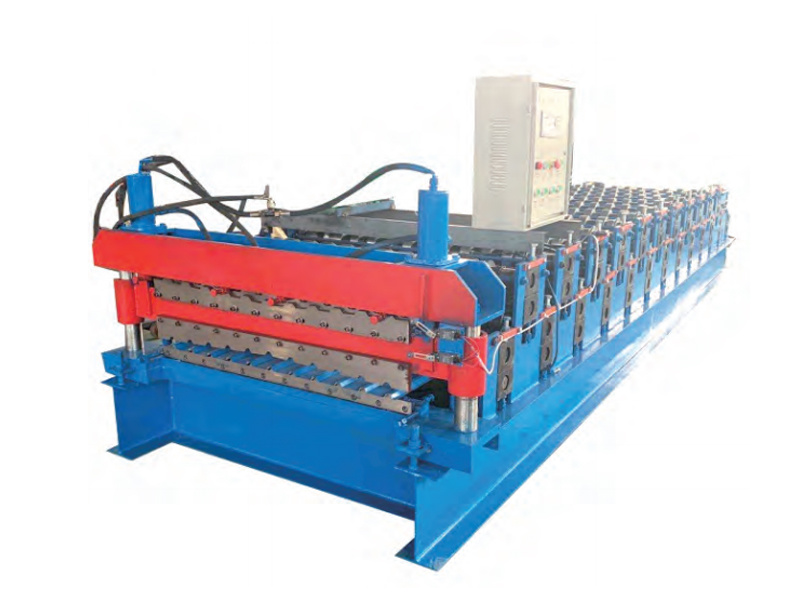
Understanding the Process of Wall Panel Formation: A Comprehensive Guide
Table of Contents
- 1. Introduction to Wall Panel Formation
- 2. The Importance of Wall Panels in Construction
- 3. Materials Used in Wall Panel Formation
- 4. Designing Wall Panels: A Critical First Step
- 5. The Manufacturing Process of Wall Panels
- 6. Quality Control in Wall Panel Production
- 7. Applications of Wall Panels in Various Industries
- 8. The Future of Wall Panel Technology
- 9. Frequently Asked Questions
- 10. Conclusion
1. Introduction to Wall Panel Formation
The formation of wall panels is a crucial aspect of modern construction, especially in projects that require both aesthetic appeal and structural integrity. Wall panels can be made from a variety of materials, including metal, wood, and composites, offering flexibility in design and functionality. In this guide, we will explore the comprehensive process of wall panel formation, from the selection of materials to the advanced manufacturing techniques that ensure high quality and durability.
2. The Importance of Wall Panels in Construction
Wall panels serve multiple purposes in construction. They not only provide structural support but also offer insulation, protection from the elements, and aesthetic appeal. In contemporary building designs, wall panels are increasingly favored for their efficiency and versatility. Understanding the significance of these components helps in appreciating the meticulous processes involved in their formation.
3. Materials Used in Wall Panel Formation
The choice of materials for wall panel formation is fundamental to their performance. Common materials include:
3.1 Metal Panels
Metal panels, often made from aluminum or steel, are known for their durability and strength. They are resistant to weather conditions, making them ideal for both interior and exterior applications.
3.2 Composite Materials
Composite panels combine different materials to optimize performance. These panels often feature an insulating core sandwiched between two outer layers, which enhances thermal efficiency while maintaining structural integrity.
3.3 Wood Panels
Wood wall panels offer a natural aesthetic that is often sought after in residential applications. They provide good insulation but may require more maintenance than metal or composite options.
4. Designing Wall Panels: A Critical First Step
Before manufacturing begins, the design of wall panels plays a pivotal role.
4.1 CAD and 3D Modeling
The use of Computer-Aided Design (CAD) and 3D modeling software allows engineers and architects to create precise designs. These tools help visualize the final product and assess its viability against structural and aesthetic requirements.
4.2 Considerations for Design
Key considerations during the design phase include:
- **Load-bearing capacity**
- **Thermal performance**
- **Aesthetic elements**
- **Ease of installation**
These factors ensure that the final product meets the necessary standards and expectations.
5. The Manufacturing Process of Wall Panels
The manufacturing process of wall panels involves several stages, each crucial for ensuring quality and precision.
5.1 Cutting Techniques
The first step in the manufacturing process is cutting the raw materials into specified sizes. Techniques such as laser cutting and water jet cutting are commonly employed to achieve precise dimensions and clean edges.
5.2 Shaping and Forming Methods
Once cut, the panels undergo shaping processes. Techniques such as bending and rolling help form the panels into desired shapes, ensuring they fit together seamlessly during installation.
5.3 Surface Finishing Options
Finishing plays a vital role in the durability and appearance of wall panels. Options include powder coating, anodizing, and painting, each providing different benefits, such as enhanced corrosion resistance and aesthetic appeal.
6. Quality Control in Wall Panel Production
Quality control is essential throughout the manufacturing process to ensure that wall panels meet industry standards. Regular inspections and tests, including:
- **Strength testing**
- **Thermal performance assessments**
- **Aesthetic evaluations**
These tests help identify any defects early in the production process, preventing costly errors later.
7. Applications of Wall Panels in Various Industries
Wall panels are utilized across multiple sectors, including:
7.1 Residential Construction
In residential settings, wall panels contribute significantly to insulation and energy efficiency, creating comfortable living environments.
7.2 Commercial Buildings
In commercial projects, wall panels are often used for their aesthetic flexibility and quick installation, helping to expedite construction timelines.
7.3 Industrial Applications
In industrial settings, wall panels must withstand rigorous conditions. Metal panels, in particular, are favored for their durability and low maintenance requirements.
8. The Future of Wall Panel Technology
As technology advances, the future of wall panel formation looks promising. Innovations such as smart panels that integrate building automation and energy-efficient materials are on the rise. Additionally, advancements in manufacturing technologies will likely continue to streamline processes, reducing waste and improving cost-efficiency.
9. Frequently Asked Questions
What are the most common materials used in wall panel formation?
The most common materials include metal, composite, and wood, with each offering unique advantages suited to different applications.
How do wall panels contribute to energy efficiency?
Wall panels, especially those with insulating properties, help reduce energy consumption by minimizing heat transfer, keeping interiors comfortable throughout the year.
What role does design play in wall panel formation?
Design is critical as it determines the panel's structural integrity, aesthetic appeal, and compatibility with other building components.
How can I ensure the quality of wall panels?
Quality can be ensured through rigorous quality control processes, including material inspections and performance testing during the manufacturing phase.
What are the benefits of using metal panels?
Metal panels offer durability, low maintenance, and resistance to harsh weather conditions, making them ideal for both exterior and interior applications.
10. Conclusion
Understanding the process of wall panel formation is essential for anyone involved in construction or architecture. From the material selection and design phase to the manufacturing and quality control processes, each step plays a crucial role in producing high-quality wall panels. As we look to the future, advancements in technology and materials will continue to enhance the capabilities and applications of wall panels, making them an indispensable component of modern construction. Emphasizing quality and innovation will ensure that wall panels not only meet the demands of today but also pave the way for more sustainable and efficient building practices in the future.
Previous Article:

Contact Us
Email:
WhatsApp:
WhatsApp:
Address:
Xing Village, Shibawu, Botou Town, Cangzhou City, Hebei Province



Message Inquiry