A manufacturing enterprise mainly engaged in the design and manufacture of cold bending equipment

Understanding Steel Rolling Mills: A Comprehensive Guide for Professionals
2026-06-20
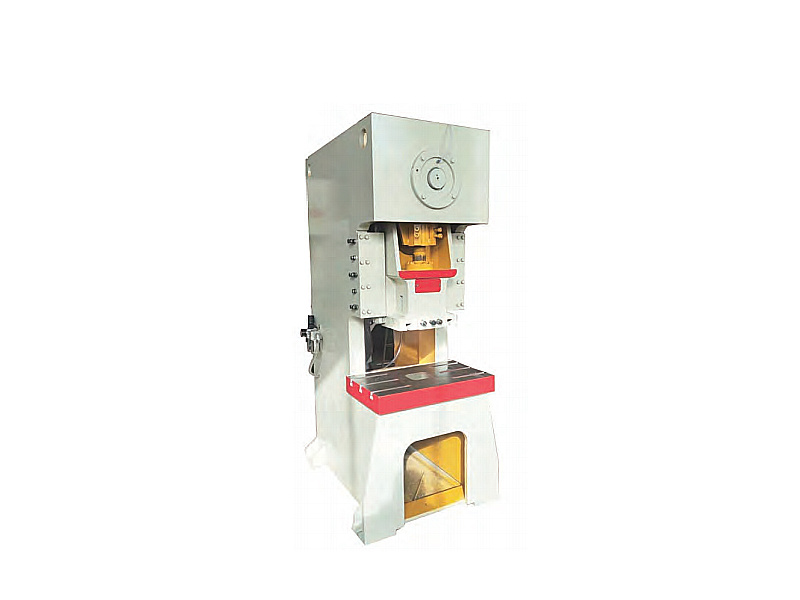
Steel rolling mills are vital components in the metal processing industry, serving as the backbone for the production of numerous metal products. These mills operate by transforming solid metal billets or slabs into finished products through a series of mechanical processes. The primary function of a steel rolling mill is to reshape and refine metal to meet specific dimensions and material characteristics.
The operation of a steel rolling mill can be classified into two main types: hot rolling and cold rolling. Hot rolling involves heating the metal above its recrystallization temperature, allowing it to be shaped more easily. This process is commonly used to produce structural beams, plates, and other large-scale components. In contrast, cold rolling is performed at room temperature, resulting in tighter tolerances and improved surface finishes. Cold-rolled products are often used in applications requiring high precision, such as automotive and appliance manufacturing.
One of the key features of modern steel rolling mills is their automation and control systems. Advanced technology enables real-time monitoring and adjustments during the rolling process, enhancing efficiency and product quality. Automation also reduces labor costs and minimizes human error, ensuring a consistent production output.
Steel rolling mills are used across various industries, including construction, automotive, and energy. The versatility of rolled steel products, such as sheets, strips, and bars, makes them essential in creating everything from infrastructure components to intricate machinery parts. Moreover, steel’s inherent strength and durability make it a preferred material in many applications, reinforcing the importance of rolling mills in the manufacturing supply chain.
The choice of a steel rolling mill largely depends on the desired end product and production volume. Factors such as mill arrangement (single or tandem), rolls configuration, and material handling systems play a crucial role in optimizing production efficacy. Understanding these variables allows manufacturers to select the ideal rolling mill setup that meets their operational needs.
In conclusion, steel rolling mills are integral to the metalworking industry, enabling the efficient production of high-quality metal products. As technology continues to advance, the capabilities of these mills will further expand, driving innovations in manufacturing processes. For professionals in the metal processing sector, a comprehensive understanding of steel rolling mills is essential for maximizing productivity and ensuring the quality of finished products. Embracing modern techniques and machinery will undoubtedly set the stage for future growth and success in this dynamic industry.
Previous Article:

Contact Us
Email:
WhatsApp:
WhatsApp:
Address:
Xing Village, Shibawu, Botou Town, Cangzhou City, Hebei Province



Message Inquiry