A manufacturing enterprise mainly engaged in the design and manufacture of cold bending equipment

Maximizing Space: The Compact Design of Manual Uncoilers for Efficient Manufacturing
2026-03-09
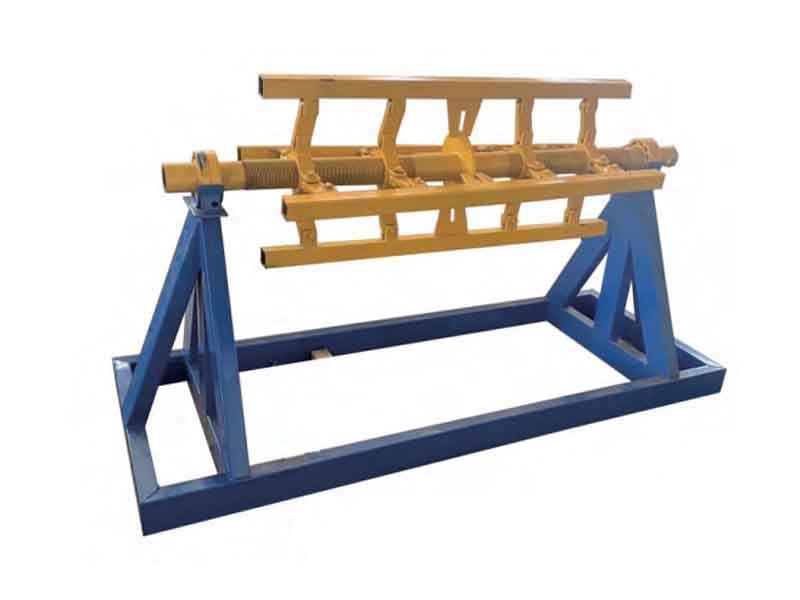
Maximizing Space: The Compact Design of Manual Uncoilers for Efficient Manufacturing
Table of Contents
- 1. Introduction to Manual Uncoilers
- 2. Importance of Space Optimization in Manufacturing
- 3. Benefits of Compact Design in Manual Uncoilers
- 4. Key Features of Manual Uncoilers
- 5. Types of Manual Uncoilers Available
- 6. How to Select the Right Manual Uncoiler for Your Needs
- 7. Maintenance and Care for Manual Uncoilers
- 8. Case Studies and Success Stories
- 9. FAQs
- 10. Conclusion
1. Introduction to Manual Uncoilers
In the realm of **metal processing**, the efficiency of machinery plays a pivotal role in determining overall productivity. One crucial component that often goes unnoticed is the **manual uncoiler**. These devices help streamline the unwinding of metal coils, ensuring that operations run smoothly. With a compact design, manual uncoilers are specifically engineered to maximize space while maintaining high functionality. This article explores the compact design of manual uncoilers and how they contribute to efficiency in manufacturing environments.
2. Importance of Space Optimization in Manufacturing
Space is a valuable commodity in manufacturing facilities. **Optimizing workspace** can lead to significant improvements in productivity and safety. When equipment occupies less space, it allows for better workflow, minimizes congestion, and enhances accessibility. In an industry where every square foot counts, the compact design of equipment like manual uncoilers becomes imperative. By utilizing space effectively, manufacturers can accommodate other necessary tools and machinery, leading to a more organized and efficient production line.
3. Benefits of Compact Design in Manual Uncoilers
The compact design of manual uncoilers offers numerous benefits that resonate with manufacturers seeking to enhance their operations.
3.1 Space Efficiency
Compact manual uncoilers are designed to occupy minimal floor space. This design characteristic allows manufacturers to maximize their available areas for other essential equipment or processes, thereby improving overall facility efficiency.
3.2 Improved Accessibility
With a smaller footprint, manual uncoilers can be placed strategically within the production line. This positioning improves accessibility for operators, leading to quicker setups and reduced downtime during operations.
3.3 Enhanced Portability
Many compact manual uncoilers are lightweight and feature mobility options, allowing for easy repositioning within a workspace. This flexibility is vital for companies that regularly reconfigure their production layouts.
3.4 Cost-Effectiveness
The design of compact manual uncoilers often translates into lower manufacturing costs. By using fewer materials and simpler designs, these machines can be more affordable without compromising quality, thus benefitting manufacturers financially.
4. Key Features of Manual Uncoilers
When considering a manual uncoiler, understanding its key features helps in making an informed decision. Here are some essential characteristics to consider:
4.1 Design Ergonomics for User Convenience
Ergonomics play a crucial role in the design of manual uncoilers. These machines often include user-friendly features such as adjustable height settings and easy-to-grip handles, which reduce operator fatigue and enhance productivity.
4.2 Material Handling Capabilities
Manual uncoilers are designed to handle various types of metal coils. Their ability to accommodate different coil sizes and weights makes them versatile assets in a manufacturing setting.
5. Types of Manual Uncoilers Available
There are several types of manual uncoilers, each tailored to meet specific manufacturing needs. Understanding these variations can help determine the best fit for your operations.
5.1 Single-Shaft Manual Uncoilers
Single-shaft manual uncoilers are basic models that support a single coil and are perfect for small operations or workshops. Their simplicity and functionality make them a popular choice for light-duty applications.
5.2 Dual-Shaft Manual Uncoilers
These models are designed to handle two coils simultaneously, increasing efficiency and productivity for larger manufacturing processes. Dual-shaft uncoilers often come equipped with advanced features that support heavier loads.
5.3 Adjustable Manual Uncoilers
These uncoilers come with adjustable features that allow operators to modify the height and width according to different coil specifications. This adaptability makes them ideal for businesses that deal with various materials.
6. How to Select the Right Manual Uncoiler for Your Needs
Selecting the right manual uncoiler involves considering several factors:
6.1 Assessing Your Production Needs
Understanding your production requirements is crucial. Evaluate the weight and size of the coils you regularly work with and determine if a single or dual-shaft model is more suitable.
6.2 Evaluating Ergonomics
Consider the ergonomic features of the uncoiler. Look for designs that offer adjustable heights and easy handling to minimize operator fatigue, thereby increasing operational efficiency.
6.3 Understanding Material Compatibility
Ensure that the selected manual uncoiler can handle the materials you typically use. Specific models may be better suited for particular types of metals or coil thicknesses.
6.4 Budget Considerations
Establishing a budget helps narrow down your options. While it's essential to look for quality, consider the long-term benefits of investing in a durable and efficient model.
7. Maintenance and Care for Manual Uncoilers
Proper maintenance is key to prolonging the lifespan and efficiency of manual uncoilers. Regularly inspect all moving parts, lubricate joints, and clean surfaces to prevent rust and corrosion. Training operators on responsible handling can also contribute to the longevity of these machines.
8. Case Studies and Success Stories
Real-world examples can illustrate the impact of compact manual uncoilers in manufacturing. Company A improved its production efficiency by 30% after incorporating a dual-shaft manual uncoiler into their workflow. Similarly, Company B reported a significant reduction in downtime, as operators found accessing the uncoiler easier thanks to its compact design.
9. FAQs
9.1 What is a manual uncoiler, and how does it work?
A manual uncoiler is a machine designed to unwind coils of metal for processing. It typically features a spindle that supports the coil and allows for controlled unwinding.
9.2 What are the benefits of using a compact manual uncoiler?
The benefits include space efficiency, improved accessibility, enhanced portability, and cost-effectiveness, making it an ideal choice for various manufacturing environments.
9.3 How do I choose the right manual uncoiler for my operations?
Assess your production needs, evaluate ergonomic features, consider material compatibility, and establish a budget to make an informed decision.
9.4 How often should I maintain my manual uncoiler?
Regular maintenance should be performed every few months, depending on usage. Regular inspections and cleaning can prevent issues and extend the lifespan of the equipment.
9.5 Can a manual uncoiler handle different coil sizes?
Yes, many manual uncoilers, especially adjustable models, can accommodate various coil sizes and weights, making them versatile tools in manufacturing settings.
10. Conclusion
The compact design of manual uncoilers is not just a trend but a necessary evolution in modern manufacturing. By maximizing space and enhancing efficiency, these machines play a vital role in optimizing production workflows. Selecting the right model tailored to your specific needs can lead to significant improvements in productivity, safety, and overall operational success. Investing in a compact manual uncoiler represents a commitment to maintaining a competitive edge in the ever-evolving landscape of metal processing.

Contact Us
Email:
WhatsApp:
WhatsApp:
Address:
Xing Village, Shibawu, Botou Town, Cangzhou City, Hebei Province



Message Inquiry