A manufacturing enterprise mainly engaged in the design and manufacture of cold bending equipment

The Essential Guide to Steel Rolling Mills: Understanding Their Role in Metal Processing
2026-03-12
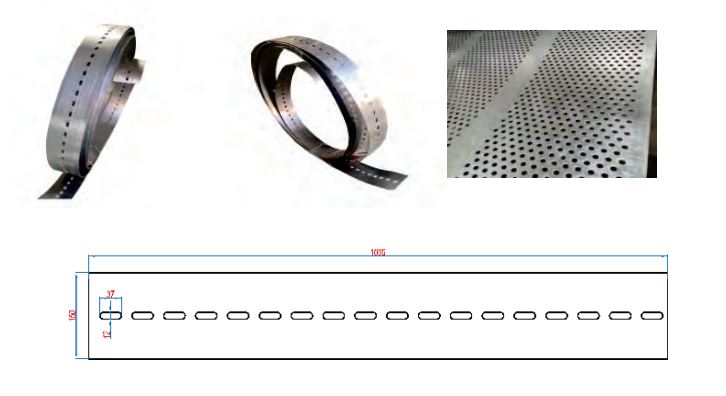
Steel rolling mills are a vital component in the metal processing industry, specifically in the realm of manufacturing and metal forming machinery. These mills are designed to convert raw steel into finished products by subjecting it to mechanical stresses through a series of rolls. The process of rolling steel not only shapes it but also enhances its structural integrity and performance characteristics.
At their core, steel rolling mills operate by heating up steel slabs or billets to a temperature where they become malleable. Once heated, the steel is passed through a set of rollers that gradually reduce its thickness while simultaneously increasing its length. This process can produce a variety of steel products, including sheets, plates, and structural components, which are essential in a wide array of industries, from construction to automotive manufacturing.
One of the significant benefits of steel rolling mills is their ability to produce materials with consistent dimensions and mechanical properties. This consistency is crucial for industries that require precise specifications for safety and performance. Additionally, the rolling process improves the steel's microstructure, resulting in enhanced strength and ductility compared to the original material.
Steel rolling mills can be categorized into two main types: hot rolling and cold rolling. Hot rolling involves processing steel at elevated temperatures, which allows for easier deformation and shaping. This method is typically used for larger and heavier products. In contrast, cold rolling is conducted at room temperature, producing thinner gauges and smoother finishes, making it ideal for applications requiring precision and aesthetics.
Furthermore, advancements in technology have led to the development of automated rolling mills, which leverage computer-controlled systems to optimize the rolling process. These innovations enhance efficiency, reduce waste, and improve overall production rates, enabling manufacturers to meet the demands of a competitive market.
The importance of steel rolling mills extends beyond production; they play a crucial role in resource conservation. By efficiently processing steel, these mills contribute to recycling efforts and reduce the need for new raw materials. This sustainability aspect aligns with global trends towards more environmentally responsible manufacturing practices.
In conclusion, steel rolling mills are indispensable in the manufacturing and metal processing sectors. They facilitate the efficient transformation of raw steel into vital products, ensuring quality and consistency while promoting sustainability. Understanding the intricacies and advantages of these mills is essential for professionals in the industry, as they continue to evolve and shape the future of metal processing.
Previous Article:

Contact Us
Email:
WhatsApp:
WhatsApp:
Address:
Xing Village, Shibawu, Botou Town, Cangzhou City, Hebei Province



Message Inquiry