A manufacturing enterprise mainly engaged in the design and manufacture of cold bending equipment

Understanding Hydraulic Uncoilers: A Key Component in Metal Processing Machinery
2026-03-06
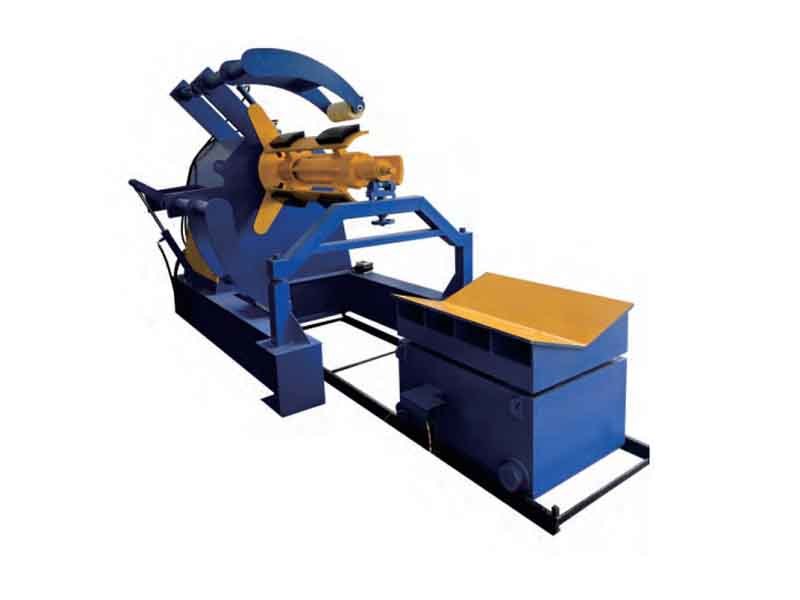
Hydraulic uncoilers are vital machines in the metalworking sector, particularly in the realm of metal forming machinery. They serve a critical function in the processing of coiled materials, ensuring that metal strips are unwound smoothly and efficiently for subsequent operations. The hydraulic system at the heart of these uncoilers provides the necessary force and precision to handle heavy coils with ease, making them indispensable in various manufacturing processes.
One of the primary advantages of hydraulic uncoilers is their ability to manage large and heavy coils of metal, which can be challenging to handle manually. The hydraulic mechanism allows for controlled unwinding, reducing the risk of damage to both the coil and the machinery. This capability not only enhances safety but also contributes to the overall efficiency of production lines. By automating the uncoiling process, manufacturers can significantly reduce downtime and improve workflow.
Moreover, hydraulic uncoilers are designed for versatility. They can accommodate a range of coil sizes and materials, which is essential in the dynamic environment of metal processing. Operators can often adjust the tension and speed settings to suit specific manufacturing requirements, making these machines adaptable to various production scenarios. This flexibility helps manufacturers respond quickly to changing demands, whether they are producing small batches or large volumes.
The integration of hydraulic uncoilers into metal processing workflows also leads to improved material handling. By ensuring that coils are unwound uniformly, these machines help maintain the integrity of the metal strip, minimizing defects that could occur during subsequent processing stages such as cutting, stamping, or forming. The result is a higher quality end product, which is crucial in meeting the stringent standards of today’s manufacturing industry.
In terms of maintenance, hydraulic uncoilers require regular servicing to ensure optimal performance. Operators should be trained to monitor hydraulic fluid levels and check for potential leaks or wear in the system. Proactive maintenance not only extends the lifespan of the uncoiler but also enhances its efficiency, ultimately leading to cost savings in the long run.
In summary, hydraulic uncoilers are an essential component in the metal processing industry, offering numerous benefits that facilitate the efficient handling and processing of metal coils. Their role in enhancing workflow, improving material quality, and ensuring operational safety makes them a valuable investment for any manufacturing operation. Understanding the capabilities and proper maintenance of hydraulic uncoilers can lead to improved productivity and a competitive edge in the marketplace.

Contact Us
Email:
WhatsApp:
WhatsApp:
Address:
Xing Village, Shibawu, Botou Town, Cangzhou City, Hebei Province



Message Inquiry