A manufacturing enterprise mainly engaged in the design and manufacture of cold bending equipment

The Versatility of Slitting Lines in Modern Manufacturing: A Comprehensive Guide
2026-03-03
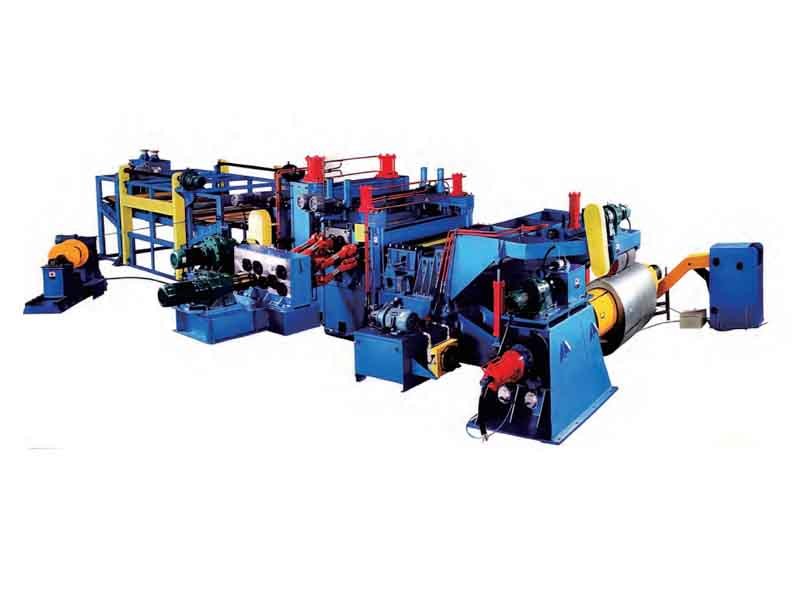
The Versatility of Slitting Lines in Modern Manufacturing
Manufacturing industries continually evolve, integrating advanced technologies and methodologies to improve efficiency and product quality. Among these advancements, **slitting lines** stand out as versatile machines that significantly enhance the processing of metal materials. This article delves into the multifaceted applications, benefits, and technological advancements of slitting lines in contemporary manufacturing.
Table of Contents
1. Introduction to Slitting Lines
2. How Slitting Lines Work
3. Different Types of Slitting Lines
4. Applications of Slitting Lines in Manufacturing
5. Benefits of Using Slitting Lines
6. Technological Advancements in Slitting Lines
7. Maintenance Best Practices for Slitting Lines
8. The Future of Slitting Lines in Manufacturing
9. FAQs
10. Conclusion
Introduction to Slitting Lines
Slitting lines are sophisticated machinery designed to cut large rolls of metal into narrower strips or coils. These machines are essential in various industries, including automotive, construction, and appliance manufacturing. The ability of slitting lines to produce precise and uniform strips makes them invaluable in modern manufacturing processes. By understanding how slitting lines function and their diverse applications, manufacturers can optimize their production capabilities.
How Slitting Lines Work
The operation of slitting lines involves several key components that work in unison to ensure efficient processing. The primary steps in the slitting process include:
1. Uncoiling
The process begins with uncoiling the metal roll, which is typically fed into the slitting line through a series of rollers. This uncoiling process ensures that the material is fed evenly into the machine.
2. Slitting
Once the metal is uncoiled, it passes through a series of circular blades that slice the material into the desired width. The slitting blades are adjustable, allowing manufacturers to customize the widths of the strips according to specific requirements.
3. Recoiling
After slitting, the individual strips are recoiled into smaller rolls. This component of the slitting line ensures that the finished product is neatly organized and ready for subsequent handling or processing.
4. Additional Features
Modern slitting lines may also include features such as tension control systems and edge trimming capabilities. These enhancements contribute to the precision and quality of the final products.
Different Types of Slitting Lines
Slitting lines come in various configurations to accommodate different types of metal processing. Understanding these variations can help manufacturers choose the most suitable slitting line for their needs.
1. Conventional Slitting Lines
Conventional slitting lines are designed for standard applications. They are capable of slitting various materials, including aluminum, steel, and stainless steel. These lines are commonly used for general-purpose metal processing.
2. Heavy-Duty Slitting Lines
Heavy-duty slitting lines are built to handle thicker and heavier materials. These lines are ideal for industries that require high-strength strips, such as automotive manufacturing.
3. High-Speed Slitting Lines
In contrast, high-speed slitting lines prioritize speed and efficiency. They are engineered to operate at high RPMs, allowing manufacturers to increase production rates without sacrificing quality.
4. Precision Slitting Lines
Precision slitting lines are equipped with advanced technology that ensures exact strip widths and minimal tolerances. These lines are essential for applications where precision is of utmost importance, such as electronics manufacturing.
Applications of Slitting Lines in Manufacturing
Slitting lines are versatile tools that find applications across a wide range of sectors. Understanding these applications can help manufacturers leverage slitting lines effectively.
1. Automotive Industry
In the automotive sector, slitting lines are used to produce components such as safety belts, chassis parts, and fuel tanks. The ability to produce precise and durable strips is critical in ensuring the safety and performance of vehicles.
2. Construction Industry
Slitting lines are also instrumental in the construction industry, where they are used to create metal roofing, siding, and structural components. The durability and longevity of metal products significantly enhance the quality of construction.
3. Appliance Manufacturing
Household appliances often utilize slitted metal strips in their construction. From refrigerators to washing machines, slitting lines contribute to the production of reliable and efficient appliances.
4. Electronics Industry
In the electronics industry, precision is paramount. Slitting lines that focus on accuracy are used to produce components for circuit boards and other electronic devices, ensuring they meet stringent quality standards.
Benefits of Using Slitting Lines
Employing slitting lines in manufacturing processes offers numerous advantages that can significantly impact productivity and efficiency.
1. Increased Efficiency
Slitting lines automate the cutting process, allowing for faster production rates compared to manual methods. This increased efficiency leads to higher output and reduced labor costs.
2. Precision and Consistency
The advanced technology in modern slitting lines ensures that materials are cut to precise specifications. This consistency is crucial for industries requiring high-quality products with minimal tolerances.
3. Versatile Applications
Slitting lines can handle various materials and thicknesses, making them adaptable to different manufacturing needs. This versatility allows manufacturers to diversify their product offerings.
4. Space Optimization
Slitting lines are often designed to occupy minimal floor space while delivering maximum output. This space optimization is especially beneficial for manufacturers with limited production areas.
Technological Advancements in Slitting Lines
With the rapid pace of technological advancements, slitting lines have evolved significantly. Understanding these innovations helps manufacturers stay competitive.
1. Automation and Control Systems
Modern slitting lines come equipped with advanced automation systems that enable real-time monitoring and control. These systems enhance the accuracy and efficiency of the slitting process.
2. Edge Trimming and Inspection Technology
Many slitting lines now feature edge trimming capabilities, which ensure that any imperfections are removed before the final product is recoiled. Additionally, inspection technology can detect defects, further enhancing product quality.
3. Integration with Industry 4.0
As manufacturing moves towards Industry 4.0, slitting lines are becoming more integrated with smart technologies. This integration allows for predictive maintenance, ensuring that equipment remains operational and reducing downtime.
4. Energy Efficiency
Recent advancements also focus on energy efficiency. Modern slitting lines are designed to consume less energy, reducing operational costs and contributing to sustainable manufacturing practices.
Maintenance Best Practices for Slitting Lines
To maximize the longevity and efficiency of slitting lines, manufacturers must adhere to proper maintenance practices.
1. Regular Inspections
Frequent inspections of the slitting line components are essential. Checking for wear and tear allows manufacturers to address issues before they escalate, ensuring consistent performance.
2. Lubrication
Proper lubrication of moving parts is crucial for preventing friction and wear. Regular maintenance schedules should include lubrication checks to extend the life of the machinery.
3. Cleaning
Keeping the slitting line clean is vital for optimal performance. Dust and debris can interfere with the operation, leading to potential defects in the slitted material.
4. Training Operators
Well-trained operators can identify potential issues early and operate slitting lines efficiently. Regular training sessions can enhance operational knowledge and safety practices.
The Future of Slitting Lines in Manufacturing
The future of slitting lines appears promising, with ongoing innovations and evolving industry demands.
1. Enhanced Customization
As industries demand more customized products, slitting lines will likely evolve to offer greater flexibility in material handling and cutting specifications.
2. Sustainability Initiatives
With increasing emphasis on sustainability, future slitting lines will focus on reducing waste and energy consumption. This shift will align with broader manufacturing trends toward eco-friendly practices.
3. Integration of Artificial Intelligence
The integration of artificial intelligence in slitting lines will lead to smarter machines capable of optimizing production processes and predicting maintenance needs.
4. Global Market Expansion
As developing economies grow, the demand for slitting lines will likely increase. Manufacturers will need to adapt to new markets and regulations, fostering innovation and collaboration.
FAQs
1. What industries benefit most from slitting lines?
Slitting lines are widely used in the automotive, construction, appliance, and electronics industries, where precise metal strips are essential.
2. How do slitting lines improve manufacturing efficiency?
By automating the cutting process and ensuring uniformity, slitting lines significantly reduce production time and labor costs.
3. What maintenance is required for slitting lines?
Regular inspections, lubrication, cleaning, and operator training are key maintenance practices to ensure optimal performance.
4. Are there different types of slitting lines?
Yes, slitting lines can vary based on application, including conventional, heavy-duty, high-speed, and precision slitting lines.
5. What is the future of slitting lines?
The future of slitting lines includes enhanced customization, sustainability initiatives, AI integration, and global market expansion.
Conclusion
In conclusion, the versatility of slitting lines plays a critical role in modern manufacturing. Their ability to efficiently process metal materials into precise strips has made them indispensable across various industries. As technology continues to advance, slitting lines will evolve to meet the growing demands of manufacturing, further enhancing productivity, precision, and sustainability. By embracing these innovations, manufacturers can stay competitive and continue to provide high-quality products tailored to market needs.
Previous Article:

Contact Us
Email:
WhatsApp:
WhatsApp:
Address:
Xing Village, Shibawu, Botou Town, Cangzhou City, Hebei Province



Message Inquiry