A manufacturing enterprise mainly engaged in the design and manufacture of cold bending equipment

Understanding Embossing Machines: A Key Component in Metal Forming
2026-02-28
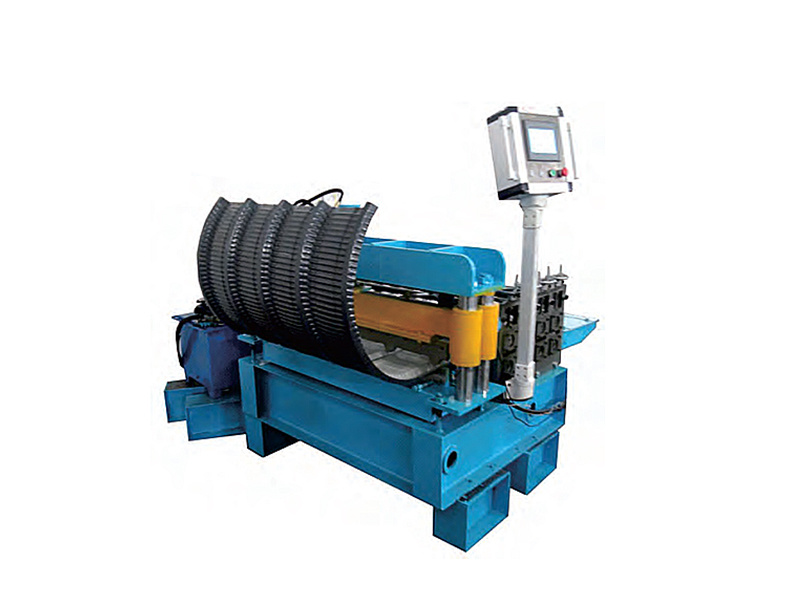
Embossing machines are specialized equipment designed to create raised or recessed designs on various materials, particularly metals. The embossing process involves applying pressure through dies or rollers, which imprint a specific pattern onto the surface of the material. This technique is widely used in industries such as automotive, aerospace, and decorative metalwork, where both functional and aesthetic qualities are essential.
One of the primary advantages of using embossing machines in metal processing is the ability to enhance the surface properties of the product. For instance, embossed surfaces can improve grip, reduce glare, and add visual interest, making them appealing for use in consumer products. Additionally, embossing can increase the structural integrity of certain materials, providing added strength where needed.
In terms of functionality, embossing machines can be categorized into various types, such as rotary embossing machines, flatbed embossing machines, and hydraulic embossing machines, each serving different production needs. Rotary embossing machines, for example, are particularly effective for high-speed production runs, while flatbed machines are more suitable for smaller batches and intricate designs.
When considering the integration of embossing machines into a manufacturing setup, it is essential to evaluate several factors. These include the type of metal being processed, the desired depth and intricacy of the embossing pattern, and the production volume. Selecting the right machine and dies can significantly influence the efficiency and quality of the embossing process.
Moreover, advancements in technology have led to the development of computer-controlled embossing machines, allowing for greater precision and customization. These modern machines can create intricate designs with minimal waste and reduced setup times, improving overall productivity.
In conclusion, embossing machines are invaluable tools in the metal processing industry, contributing to enhanced product functionality and aesthetic appeal. By understanding the various types and applications of these machines, professionals can make informed decisions that optimize their manufacturing processes. As the demand for high-quality embossed metal components continues to grow, staying updated on the latest developments in embossing technology is essential for maintaining a competitive edge in the market.
Previous Article:

Contact Us
Email:
WhatsApp:
WhatsApp:
Address:
Xing Village, Shibawu, Botou Town, Cangzhou City, Hebei Province



Message Inquiry