A manufacturing enterprise mainly engaged in the design and manufacture of cold bending equipment

Exploring the Efficiency of Downspout Forming Machines in Metalwork
2026-02-25
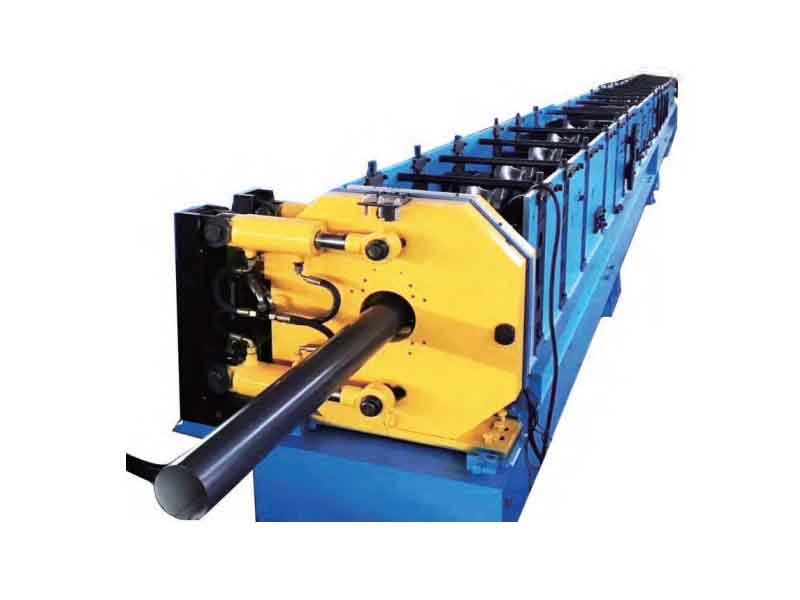
Exploring the Efficiency of Downspout Forming Machines in Metalwork
Table of Contents
- 1. Introduction to Downspout Forming Machines
- 2. Importance of Metalworking in Modern Manufacturing
- 3. How Downspout Forming Machines Work
- 4. Efficiency Metrics of Downspout Forming Machines
- 5. Applications of Downspout Forming Machines in Metalwork
- 6. Key Benefits of Using Downspout Forming Machines
- 7. Challenges in Downspout Forming and Solutions
- 8. Future Trends in Downspout Forming Technology
- 9. Conclusion
- 10. Frequently Asked Questions
1. Introduction to Downspout Forming Machines
Downspout forming machines represent a critical advancement in the field of metalworking. These specialized machines are designed to produce high-quality downspouts efficiently and with remarkable precision. As the backbone of various construction projects, downspouts play an essential role in managing rainwater runoff. Therefore, the equipment that manufactures these components must ensure optimal performance and reliability. This article will explore the efficiency of downspout forming machines, shedding light on their essential functions and benefits in modern metalworking.
2. Importance of Metalworking in Modern Manufacturing
Metalworking is a foundational element of modern manufacturing. It involves the manipulation and transformation of metal to create a wide range of products, from intricate components to structural frameworks. As industries evolve, the demand for precision-engineered metal products grows, making the efficiency of manufacturing processes increasingly crucial.
2.1 The Role of Metal Forming in Manufacturing
Metal forming encompasses various processes, including bending, cutting, and shaping, to create usable products. The introduction of advanced machinery, such as downspout forming machines, allows manufacturers to enhance their production capabilities and reduce lead times significantly.
2.2 Economic Impact of Metalworking
The metalworking industry contributes significantly to global economies. By improving the efficiency of production methods, companies can lower operational costs, increase profitability, and drive innovation.
3. How Downspout Forming Machines Work
Understanding the mechanics behind downspout forming machines is crucial for appreciating their efficiency. These machines utilize a series of dies and rollers to shape metal sheets into downspouts. The process generally involves the following steps:
3.1 Material Input
The process begins with feeding metal sheets, typically aluminum or galvanized steel, into the machine. The choice of material affects the durability and performance of the final product.
3.2 Shaping Process
As the metal sheet enters the forming section, various rollers and dies progressively shape it into the desired form. This continuous movement ensures a streamlined production flow.
3.3 Cutting and Finishing
Once the metal reaches the desired shape, the machine cuts it to length and applies any necessary finishing processes, such as deburring or coating, to enhance durability and aesthetics.
4. Efficiency Metrics of Downspout Forming Machines
When evaluating the efficiency of downspout forming machines, several key metrics should be considered:
4.1 Production Speed
Speed is a critical factor in manufacturing. Modern downspout forming machines can produce components at impressive rates, significantly reducing the time required to fulfill orders.
4.2 Precision and Accuracy
Precision is essential in metalwork. Downspout forming machines are engineered to deliver consistent results, ensuring that each component meets stringent quality standards.
4.3 Material Utilization
Efficient machines minimize waste, utilizing as much material as possible in the forming process. This not only reduces costs but also aligns with sustainability goals in manufacturing.
5. Applications of Downspout Forming Machines in Metalwork
Downspout forming machines are versatile tools used across various sectors, including:
5.1 Construction Industry
In construction, downspouts are pivotal for effective water management. Forming machines ensure that these components are produced quickly and accurately, meeting the demands of construction projects.
5.2 HVAC Systems
Downspouts are integral to HVAC systems, directing condensate and runoff away from the building. Forming machines provide the necessary precision to create components that fit seamlessly within these systems.
5.3 Agricultural Applications
In agriculture, downspouts assist in managing water runoff in various farming operations. The efficiency of forming machines ensures a reliable supply of these components, critical for maintaining operational efficiency.
6. Key Benefits of Using Downspout Forming Machines
Investing in downspout forming machines offers numerous advantages that enhance overall production processes:
6.1 Increased Production Capacity
With high-speed production capabilities, manufacturers can significantly increase their output, allowing them to meet rising demand without compromising quality.
6.2 Enhanced Quality Control
The precision offered by forming machines ensures that products meet quality standards, reducing the likelihood of defects that can result in costly rework.
6.3 Cost Efficiency
By minimizing material waste and reducing labor requirements, downspout forming machines ultimately lower production costs, contributing to improved profit margins.
6.4 Flexibility in Design
Modern machines allow for easy adjustments to accommodate various downspout designs, providing manufacturers with the flexibility to cater to diverse customer needs.
7. Challenges in Downspout Forming and Solutions
While downspout forming machines offer numerous advantages, challenges can arise in their operation:
7.1 Maintenance Requirements
Regular maintenance is essential to ensure optimal machine performance. Implementing a scheduled maintenance plan can mitigate downtime and enhance machine longevity.
7.2 Initial Investment Costs
The upfront costs of acquiring advanced forming machines can be significant. However, the long-term savings in operational efficiency and reduced labor costs often outweigh these initial expenses.
7.3 Training Needs
Personnel must be adequately trained to operate these machines effectively. Investing in training programs can facilitate smoother operations and minimize human errors.
8. Future Trends in Downspout Forming Technology
As technology continues to evolve, several trends are shaping the future of downspout forming machines:
8.1 Automation
Increased automation will lead to greater efficiency and reduced labor costs. Future machines may incorporate advanced robotics to streamline production processes further.
8.2 Smart Technology Integration
The integration of IoT technology can offer real-time monitoring and data analysis, ensuring optimal machine performance and predictive maintenance capabilities.
8.3 Sustainable Practices
With a growing focus on sustainability, future downspout forming machines may utilize eco-friendly materials and processes, aligning with industry trends toward greener manufacturing.
9. Conclusion
In the ever-evolving landscape of metalwork, downspout forming machines stand out as pivotal tools that enhance efficiency and precision. By understanding their functionality, applications, and the benefits they provide, manufacturers can make informed decisions about investing in these machines. As the industry progresses towards automation and sustainability, the role of downspout forming machines will only become more significant, shaping the future of metalworking.
10. Frequently Asked Questions
FAQ 1: What materials are best suited for downspout forming machines?
Downspout forming machines typically work best with materials like aluminum and galvanized steel due to their durability and resistance to corrosion.
FAQ 2: How do I maintain a downspout forming machine?
Regular maintenance includes cleaning, lubrication, and periodic inspections to ensure all components are functioning optimally.
FAQ 3: Are downspout forming machines customizable?
Yes, many modern downspout forming machines offer customization options to accommodate various designs and specifications.
FAQ 4: What is the average lifespan of a downspout forming machine?
The lifespan can vary based on usage and maintenance but typically ranges from 10 to 20 years with proper care.
FAQ 5: How can I improve the efficiency of my downspout forming operations?
Investing in advanced technology, training personnel, and implementing regular maintenance protocols can significantly improve operational efficiency.
Previous Article:

Contact Us
Email:
WhatsApp:
WhatsApp:
Address:
Xing Village, Shibawu, Botou Town, Cangzhou City, Hebei Province



Message Inquiry