A manufacturing enterprise mainly engaged in the design and manufacture of cold bending equipment

Manual Uncoilers: Streamlining Your Metal Processing Workflow for Maximum Efficiency
2026-02-07
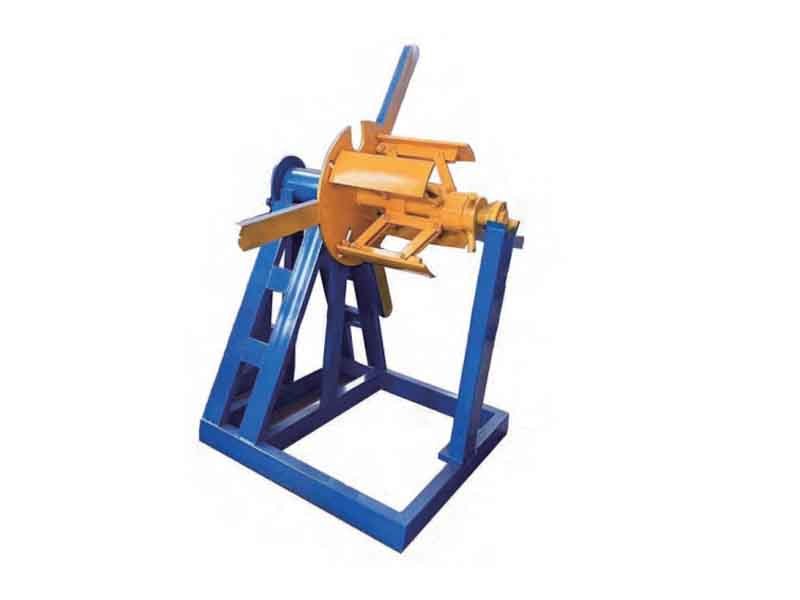
Manual Uncoilers: Streamlining Your Metal Processing Workflow for Maximum Efficiency
Table of Contents
- 1. Introduction to Manual Uncoilers
- 2. Benefits of Using Manual Uncoilers in Metal Processing
- 3. Applications of Manual Uncoilers in Manufacturing
- 4. How to Choose the Right Manual Uncoiler
- 4.1 Assessing the Capacity Requirements
- 4.2 Key Features to Look For
- 4.3 Compatibility with Existing Equipment
- 5. Installation and Setup of Manual Uncoilers
- 6. Maintenance Tips for Manual Uncoilers
- 7. Cost Considerations for Manual Uncoilers
- 8. Conclusion
- 9. FAQs
1. Introduction to Manual Uncoilers
In the realm of metal processing, **manual uncoilers** play a pivotal role, particularly in industries that require high precision and efficiency. These devices are designed to unwind metal coils, facilitating a smoother and more streamlined workflow. Unlike automated systems, manual uncoilers offer an affordable and versatile solution for businesses of all sizes looking to enhance their operations.
2. Benefits of Using Manual Uncoilers in Metal Processing
The advantages of integrating manual uncoilers into your manufacturing process are manifold. Here are some key benefits that highlight their significance:
2.1 Enhanced Workflow Efficiency
Manual uncoilers significantly reduce the time and effort required to handle heavy metal coils. By allowing operators to unwind coils quickly and accurately, these tools enhance overall workflow efficiency, minimizing downtime and increasing productivity.
2.2 Cost-Effective Solution
Investing in manual uncoilers is often more economical than automated alternatives. They require less initial investment, lower maintenance costs, and offer a good return on investment over time.
2.3 Versatility in Operations
Manual uncoilers can be utilized in various applications, making them a versatile addition to any production line. They can handle different types of materials, including steel, aluminum, and copper, making them suitable for multiple industries.
2.4 Improved Safety Measures
By utilizing manual uncoilers, companies can enhance workplace safety. Operators can manage coils without the need for excessive lifting or force, minimizing the risk of injury and ensuring compliance with safety regulations.
3. Applications of Manual Uncoilers in Manufacturing
The applications for manual uncoilers are extensive, ranging from small-scale operations to large-scale manufacturing environments. Here are some notable applications:
3.1 Metal Fabrication
In metal fabrication, manual uncoilers are indispensable for unwinding coils of metal sheets and strips. They allow for precise handling, ensuring that materials are ready for cutting, bending, or welding.
3.2 Automotive Manufacturing
The automotive industry often relies on manual uncoilers to manage the heavy coils used in the production of components such as body panels, frames, and exhaust systems. This ensures a consistent supply of materials, essential for maintaining production schedules.
3.3 Electronics Manufacturing
In electronics manufacturing, manual uncoilers are used to manage metal parts required for various electronic devices. Their ability to handle delicate and varied materials ensures that manufacturers can produce high-quality products.
3.4 Construction Industry
Construction projects utilize manual uncoilers for managing metal sheets used in roofing, cladding, and structural applications. Their portability and ease of use allow them to be deployed on-site effectively.
4. How to Choose the Right Manual Uncoiler
Selecting the right manual uncoiler is crucial for optimizing your manufacturing process. Here are some key considerations:
4.1 Assessing the Capacity Requirements
Understanding the weight and dimensions of the coils you will be working with is essential. Manual uncoilers come in various sizes and weight capacities, so ensure that the model you choose can handle the heaviest coils in your inventory.
4.2 Key Features to Look For
When choosing a manual uncoiler, consider features such as adjustable tension control, ease of operation, and portability. Look for models with robust construction to handle repeated use and minimize maintenance needs.
4.3 Compatibility with Existing Equipment
Ensure that the manual uncoiler you select is compatible with your existing machinery. This will help streamline your production process and avoid potential issues during installation.
5. Installation and Setup of Manual Uncoilers
Setting up a manual uncoiler is typically straightforward, but it's essential to follow the manufacturer's guidelines for optimal performance. Here are steps to ensure a successful installation:
5.1 Site Preparation
Ensure that the installation site is clean, level, and capable of supporting the weight of the uncoiler and the coils it will handle. Consider proximity to other machinery to maximize workflow.
5.2 Assembly Instructions
Follow the manufacturer’s assembly instructions carefully. Most manual uncoilers come with detailed guidelines, including diagrams and parts lists. Ensure all components are accounted for before starting the assembly.
5.3 Testing the Setup
Once assembled, conduct a test run with a lightweight coil to ensure that the uncoiler operates smoothly and efficiently. Check for any signs of malfunction and adjust as necessary.
6. Maintenance Tips for Manual Uncoilers
Proper maintenance of your manual uncoiler is crucial for its longevity and performance. Here are some essential maintenance tips:
6.1 Regular Inspections
Conduct regular inspections to check for wear and tear on moving parts. Look for any signs of damage that may impair functionality.
6.2 Lubrication
Lubricate all moving parts according to the manufacturer's recommendations. This helps minimize friction and wear, ensuring smooth operation.
6.3 Keeping It Clean
Maintain the cleanliness of the uncoiler by regularly removing debris and dust. A clean unit operates more efficiently and prolongs its lifespan.
7. Cost Considerations for Manual Uncoilers
Investing in a manual uncoiler involves various cost factors. Here’s what to keep in mind:
7.1 Initial Purchase Price
While manual uncoilers are generally more affordable than automated systems, prices can vary based on features and capacities. Determine your budget and assess the options available within that range.
7.2 Operational Costs
Consider the long-term operational costs, including maintenance, labor, and energy consumption. Manual uncoilers generally require less energy than automated models, making them cost-effective over time.
7.3 Return on Investment
Evaluate the potential return on investment by calculating the time saved and the increased productivity that a manual uncoiler can provide. This will help justify the initial purchase price.
8. Conclusion
Manual uncoilers are invaluable tools in the metal processing industry, offering significant benefits such as enhanced efficiency, cost-effectiveness, and versatility. By understanding their applications, benefits, and maintenance needs, manufacturers can streamline their workflows and improve productivity. Investing in the right manual uncoiler tailored to your specific requirements can lead to a more organized, efficient, and safer workplace.
9. FAQs
What types of materials can manual uncoilers handle?
Manual uncoilers can handle various materials, including steel, aluminum, and copper, making them suitable for multiple applications across different industries.
How do I determine the right capacity for my manual uncoiler?
Assess the weight and dimensions of the coils you handle regularly. Ensure that the uncoiler you choose can accommodate the heaviest coils without compromising safety or efficiency.
Are manual uncoilers easy to operate?
Yes, manual uncoilers are designed for ease of use, requiring minimal training for operators. Most models feature user-friendly controls and adjustments.
How often should I perform maintenance on my manual uncoiler?
Regular inspections should be conducted monthly, while lubrication and cleaning can be performed as needed, depending on usage frequency.
What are the main advantages of manual uncoilers compared to automated systems?
Manual uncoilers typically have a lower initial cost, require less maintenance, and can be more versatile in handling various materials compared to automated systems. They are ideal for businesses seeking a budget-friendly solution without sacrificing quality.
Previous Article:

Contact Us
Email:
WhatsApp:
WhatsApp:
Address:
Xing Village, Shibawu, Botou Town, Cangzhou City, Hebei Province



Message Inquiry