A manufacturing enterprise mainly engaged in the design and manufacture of cold bending equipment

Understanding Steel Rolling Mills: A Key Component in Metal Fabrication
2026-02-10
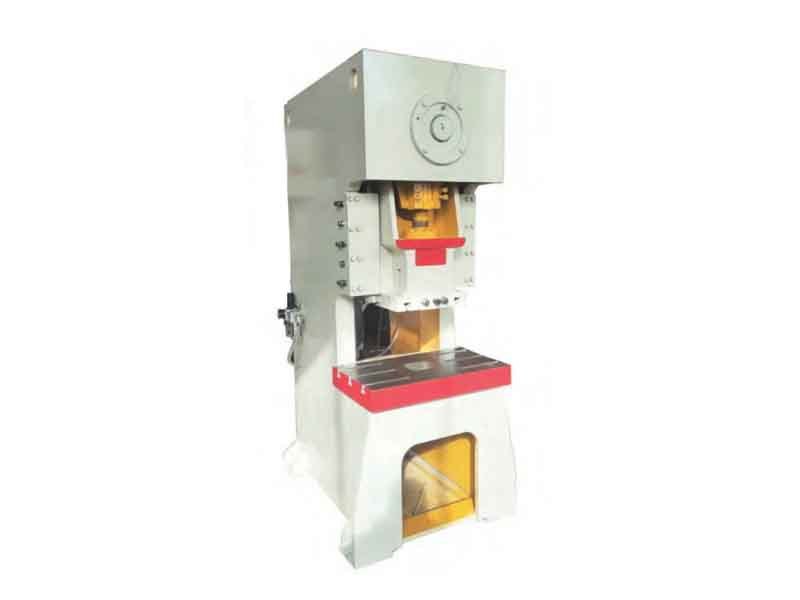
Steel rolling mills are pivotal in the metal processing industry, particularly in the production of various steel products utilized across a wide array of sectors. These mills convert steel billets and slabs into more usable forms like plates, sheets, and structural components through a process known as rolling. This process involves passing heated steel through a series of rollers, which gradually reshape it to the desired thickness and dimensions.
The primary function of a steel rolling mill is to reduce the thickness of steel while simultaneously enhancing its mechanical properties. As the steel is subjected to substantial pressure, it undergoes plastic deformation, which aligns its crystalline structure. This results in improved strength and ductility, allowing the steel to perform better in various applications.
There are two major types of rolling processes utilized in steel rolling mills: hot rolling and cold rolling. Hot rolling is typically conducted at temperatures above the recrystallization point of the metal, allowing for easier shaping and deformation. This process is commonly used for producing large quantities of steel sheets and plates. On the other hand, cold rolling occurs at room temperature, which leads to enhanced surface finish and tighter tolerances. This process is essential for producing precision components required in automotive and aerospace applications.
The design of a steel rolling mill can vary widely depending on the specific products being manufactured. Mills may be classified as two-high, three-high, or four-high based on the arrangement of rollers. Two-high mills consist of two opposing rolls, while three-high and four-high mills introduce additional rolls to enhance efficiency and product quality. Modern steel rolling mills also incorporate advanced technologies, such as automation and computer controls, to optimize production processes and maintain consistent quality in finished products.
Moreover, steel rolling mills play a crucial role in sustainability within the metalworking industry. By improving material efficiency and reducing waste, these mills contribute to a more environmentally friendly production process. Some mills utilize scrap steel as feedstock, further promoting recycling and resource conservation.
In summary, steel rolling mills are an integral part of the metal fabrication landscape. Their ability to transform raw steel into versatile products makes them indispensable for numerous industries, from construction to automotive. Understanding the operational principles and technological advancements in steel rolling mills can provide valuable insights for businesses involved in metal processing and fabrication. As the demand for high-quality steel products continues to rise, the role of steel rolling mills will remain vital in meeting industry needs.
Previous Article:

Contact Us
Email:
WhatsApp:
WhatsApp:
Address:
Xing Village, Shibawu, Botou Town, Cangzhou City, Hebei Province



Message Inquiry