A manufacturing enterprise mainly engaged in the design and manufacture of cold bending equipment

The Essential Role of Hydraulic Uncoilers in Metal Forming Processes
2026-02-04
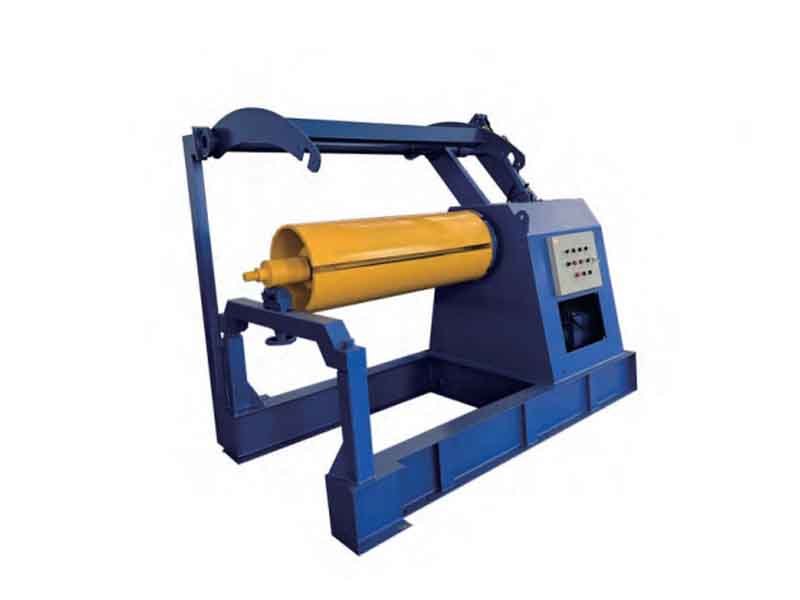
Hydraulic uncoilers play a crucial role in the manufacturing and processing of metal, particularly in metal forming applications. Designed to handle large coils of material, these machines ensure a smooth and efficient uncoiling process, which is essential for various downstream operations such as cutting, bending, and shaping.
At its core, a hydraulic uncoiler utilizes hydraulic power to control the unwinding of metal coils. This mechanism allows for precision in the handling of heavy materials, reducing the risk of damage or deformation during the uncoiling process. The hydraulic system provides the necessary torque and control to unwind the coil steadily and consistently, which is vital in maintaining the integrity of the metal as it is fed into other machinery for further processing.
One of the key benefits of hydraulic uncoilers is their ability to accommodate a wide range of coil sizes and weights. This versatility makes them an invaluable asset in any metalworking facility, allowing manufacturers to work with different materials without the need for specialized equipment for each coil type. Additionally, the use of hydraulic power enhances the safety of the operation. Operators can control the unwinding process from a distance, minimizing the risk of accidents associated with manual handling of heavy coils.
In terms of efficiency, hydraulic uncoilers significantly reduce downtime in production lines. Traditional methods of coil handling can be labor-intensive and time-consuming, leading to bottlenecks in manufacturing processes. With hydraulic uncoilers, the uncoiling process is streamlined, enabling faster transition from one operation to another. This increased efficiency not only improves productivity but also contributes to a more organized and manageable work environment.
Moreover, the precision offered by hydraulic uncoilers minimizes material waste. By ensuring that the metal is fed evenly and accurately into the processing equipment, manufacturers can achieve better yield rates and reduce the costs associated with scrap material. This is particularly beneficial in industries where material costs are a significant factor in overall production expenses.
In summary, hydraulic uncoilers serve as a vital component in the metal forming industry. Their ability to handle large and heavy coils with precision and safety enhances the efficiency of manufacturing processes. By integrating hydraulic uncoilers into production lines, manufacturers can improve throughput, reduce waste, and create a safer working environment, making them an indispensable tool for modern metal processing operations.
Previous Article:

Contact Us
Email:
WhatsApp:
WhatsApp:
Address:
Xing Village, Shibawu, Botou Town, Cangzhou City, Hebei Province



Message Inquiry