A manufacturing enterprise mainly engaged in the design and manufacture of cold bending equipment

Enhancing Precision in Metal Fabrication with Slitting Lines
2026-02-01
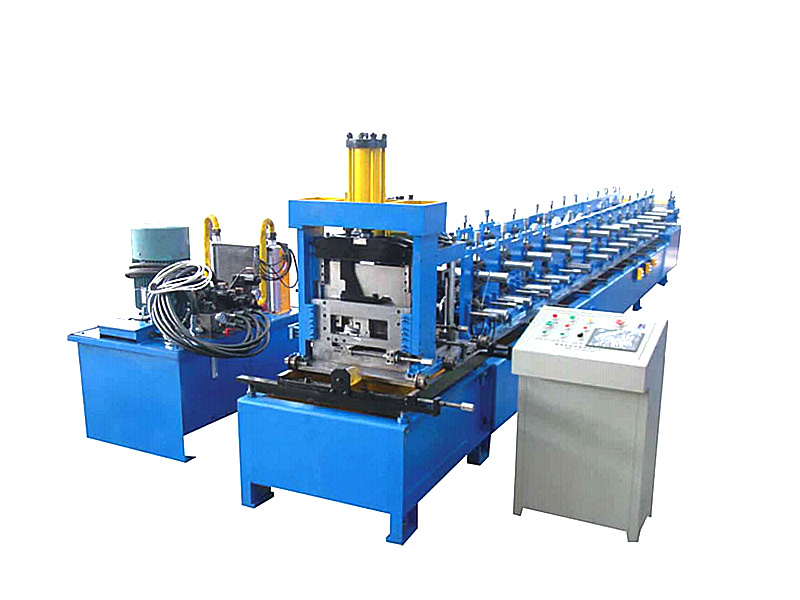
Enhancing Precision in Metal Fabrication with Slitting Lines
Table of Contents
- 1. Introduction to Slitting Lines
- 2. Understanding Slitting Lines: The Basics
- 3. Benefits of Slitting Lines in Metal Fabrication
- 4. Precision and Accuracy: The Key to Success
- 5. Technological Advancements in Slitting Lines
- 6. Enhancing Operational Efficiency with Slitting Lines
- 7. Applications of Slitting Lines in Various Industries
- 8. Future Trends in Slitting Line Technology
- 9. Frequently Asked Questions
- 10. Conclusion
1. Introduction to Slitting Lines
In the rapidly evolving world of metal fabrication, precision is paramount. Manufacturers are constantly seeking methodologies to fine-tune their production processes, reduce waste, and enhance the quality of their finished products. Slitting lines have emerged as a revolutionary solution in this quest for precision. These systems are designed to cut large coils of material into narrower strips with unmatched accuracy and efficiency. By understanding how slitting lines work and their benefits, manufacturers can significantly improve their metal fabrication processes.
2. Understanding Slitting Lines: The Basics
Slitting lines are specialized machinery used to cut metal sheets or coils into smaller widths. The process begins with a coil of metal, which is uncoiled and fed through a series of rollers and cutting tools. The primary components of a slitting line include:
2.1 The Uncoiler
The uncoiler is responsible for feeding the metal coil into the slitting line. It must be robust enough to handle the weight of the coil and maintain consistent tension during the slitting process.
2.2 Slitting Head
The slitting head contains multiple blades that cut the material into specified widths. These blades can be adjusted to create various strip widths, enhancing the flexibility of the manufacturing process.
2.3 Tension Leveling
This section helps to flatten the material after it has been cut. Proper tension leveling ensures that the strips are uniform and free from defects, which is essential for precision applications.
2.4 Recoiler
Once the metal is cut and leveled, it is wound onto a recoiler. This component gathers the finished strips neatly for further processing or shipping.
3. Benefits of Slitting Lines in Metal Fabrication
Implementing slitting lines in metal fabrication offers numerous benefits that can drastically improve both efficiency and quality:
3.1 Enhanced Precision
Slitting lines are engineered for precision, allowing manufacturers to produce strips with exact dimensions. This level of accuracy reduces the likelihood of defects, leading to higher quality products.
3.2 Increased Production Speed
These systems operate at high speeds, enabling manufacturers to process large volumes of material in a shorter timeframe. This efficiency translates to increased output and profitability.
3.3 Reduced Material Waste
By accurately cutting coils into specified sizes, slitting lines minimize scrap material. This reduction in waste not only saves money but also supports sustainability efforts in manufacturing.
3.4 Flexibility in Production
Slitting lines can be easily adjusted to handle various materials and strip widths, allowing manufacturers to respond to changing market demands swiftly.
4. Precision and Accuracy: The Key to Success
Achieving precision and accuracy in metal fabrication is crucial for meeting industry standards and customer expectations. Slitting lines contribute to this success in various ways:
4.1 Consistent Quality Control
Slitting lines are equipped with advanced monitoring systems that track and adjust parameters in real-time. This continuous oversight ensures that every strip meets the required specifications.
4.2 Advanced Measurement Technologies
Incorporating laser measurement systems allows for instant feedback on strip dimensions, enabling operators to make timely adjustments and maintain high precision throughout the production run.
4.3 Reduced Human Error
Automation in slitting lines reduces the risk of human error, which is often a significant factor in manufacturing discrepancies. This advancement leads to higher consistency in output quality.
5. Technological Advancements in Slitting Lines
The field of metal fabrication is continuously evolving, with slitting lines at the forefront of technological advancements. Here are some notable innovations:
5.1 CNC Integration
Computer Numerical Control (CNC) technology allows for precise programming of slitting operations. This integration enhances accuracy and reduces setup times, making the process more efficient.
5.2 IoT Connectivity
The Internet of Things (IoT) enables slitting lines to communicate with other machinery and systems within the manufacturing process. This connectivity facilitates better data collection and process optimization.
5.3 Energy Efficiency Improvements
Modern slitting lines are designed to consume less energy, not only reducing operational costs but also minimizing the environmental impact of manufacturing processes.
6. Enhancing Operational Efficiency with Slitting Lines
Operational efficiency is a key objective for any manufacturer. Slitting lines play a vital role in achieving this goal by streamlining workflows and optimizing resource use.
6.1 Reduced Downtime
Advanced slitting lines are designed for quick changeovers between different strip sizes and materials. This flexibility allows manufacturers to minimize downtime and maintain high production levels.
6.2 Improved Workflow Integration
By integrating slitting lines into the larger manufacturing workflow, businesses can create a more seamless production process that maximizes resource allocation and minimizes bottlenecks.
6.3 Enhanced Data Analytics
Utilizing data analytics tools can help manufacturers track performance metrics and identify areas for improvement. These insights can lead to better decision-making and optimized operational strategies.
7. Applications of Slitting Lines in Various Industries
Slitting lines are versatile tools that find applications across numerous industries:
7.1 Automotive Industry
In the automotive sector, slitting lines are used to produce components such as brackets and frames. The precision of these components is crucial for vehicle performance and safety.
7.2 Construction Sector
Slitting lines supply steel strips for construction materials, including beams and panels. The ability to produce precise dimensions is vital for structural integrity.
7.3 Electrical Industry
Manufacturers in the electrical industry utilize slitting lines to create copper and aluminum strips for wiring and components. Precision is essential for electrical conductivity and performance.
8. Future Trends in Slitting Line Technology
As technology continues to advance, the future of slitting lines looks promising. Some expected trends include:
8.1 Increased Automation
Automation will continue to play a significant role in slitting line operations, with advancements in robotics and AI enhancing overall efficiency and precision.
8.2 Sustainable Manufacturing Practices
With growing environmental awareness, slitting line manufacturers are expected to invest in technologies that promote sustainability, such as energy-efficient systems and reduced waste initiatives.
8.3 Customization Capabilities
Future slitting lines may offer advanced customization options, enabling manufacturers to create bespoke products tailored to specific customer requirements.
9. Frequently Asked Questions
9.1 What materials can slitting lines process?
Slitting lines can process a variety of materials, including steel, aluminum, brass, and copper, depending on the specific needs of the manufacturer.
9.2 How do slitting lines improve efficiency?
Slitting lines enhance efficiency by automating cutting processes, reducing waste, and enabling faster production speeds, allowing for higher output with less manual labor.
9.3 What is the typical setup time for a slitting line?
Setup times can vary based on the specific line and material being processed, but modern slitting lines are designed for quick changeovers, often taking only a few minutes.
9.4 Can slitting lines handle different strip widths?
Yes, slitting lines can be adjusted to create various strip widths, providing manufacturers with the flexibility to meet diverse production needs.
9.5 What are the maintenance requirements for slitting lines?
Regular maintenance is essential for optimal performance. This includes routine inspections, blade replacements, and lubrication to ensure smooth operation.
10. Conclusion
In conclusion, slitting lines represent a significant advancement in the metal fabrication industry, enhancing precision, efficiency, and flexibility. By understanding their operation and benefits, manufacturers can leverage slitting lines to improve their production processes and meet the increasing demands of the market. As technology continues to evolve, staying informed about the latest advancements in slitting line technology is essential for maintaining a competitive edge in the ever-changing landscape of metal fabrication. Embracing these innovations not only enhances operational efficiency but also contributes to the overall success and sustainability of manufacturing enterprises.

Contact Us
Email:
WhatsApp:
WhatsApp:
Address:
Xing Village, Shibawu, Botou Town, Cangzhou City, Hebei Province



Message Inquiry