A manufacturing enterprise mainly engaged in the design and manufacture of cold bending equipment

The Essential Guide to Embossing Machines in Metal Forming
2026-07-20
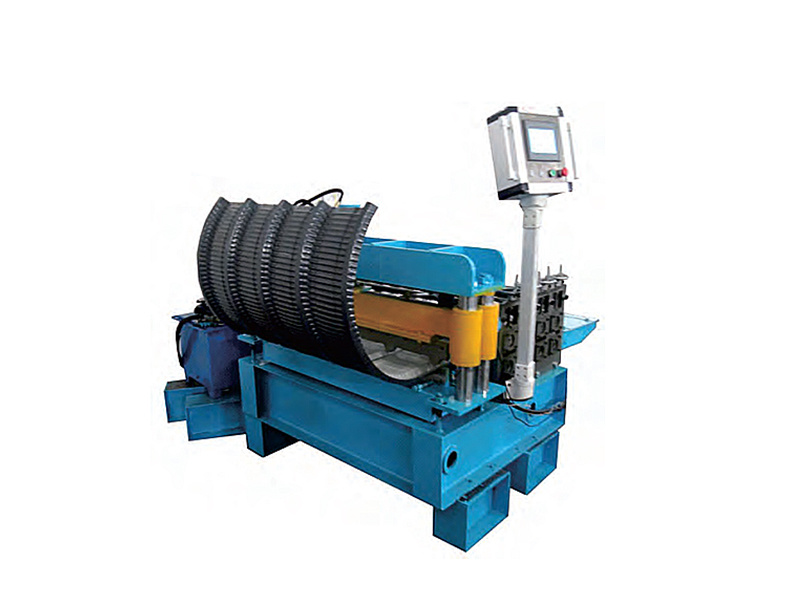
Embossing machines are specialized tools used in the metal forming industry to create raised designs, patterns, or textures on the surface of metal sheets. They are essential for enhancing the aesthetic appeal and functional properties of metal products. Understanding the workings and applications of embossing machines can significantly improve the quality of metal processing in various sectors.
At their core, embossing machines utilize pressure to imprint designs onto metal surfaces. This process involves feeding a metal sheet between two engraved rollers, where the desired pattern is transferred onto the metal under high pressure. Various designs can be created, from intricate patterns to simple logos, making these machines versatile for different applications.
One of the primary benefits of using an embossing machine is the ability to produce consistent and repeatable patterns across large volumes of metal sheets. This consistency is crucial for manufacturers who require uniform products, such as automotive parts, decorative metal panels, and architectural elements. Additionally, embossing can enhance the strength of the metal by altering its surface properties, making it more resistant to wear and tear.
When considering an embossing machine, it is essential to evaluate a few critical factors. First, consider the material types you will be processing. Different machines are designed to handle various metal thicknesses and compositions, so ensure that your chosen machine is compatible with your materials. The size and speed of the machine are also important; larger machines may handle bigger sheets, while faster machines can increase production efficiency.
Another significant factor is the type of embossing process you need. There are two primary types: rotary embossing and flat embossing. Rotary embossing is ideal for continuous patterns on long sheets, while flat embossing is better suited for limited runs or specific designs. Depending on your production requirements, choosing the right embossing type can greatly impact your operational efficiency.
Additionally, maintenance is a critical aspect of operating an embossing machine. Regular checks and servicing will ensure optimal performance and longevity, reducing downtime and repair costs. Investing in training for your operators can also enhance productivity and product quality, as skilled personnel will manage the machinery more effectively.
In conclusion, embossing machines are indispensable in the metal manufacturing industry. They not only improve the visual appeal of products but also enhance their durability and functionality. By understanding their applications and selecting the right machine for your needs, you can elevate your metal processing operations to new heights.
Previous Article:

Contact Us
Email:
WhatsApp:
WhatsApp:
Address:
Xing Village, Shibawu, Botou Town, Cangzhou City, Hebei Province



Message Inquiry