A manufacturing enterprise mainly engaged in the design and manufacture of cold bending equipment

Understanding the Mechanics Behind Downspout Forming Machines
2026-07-15
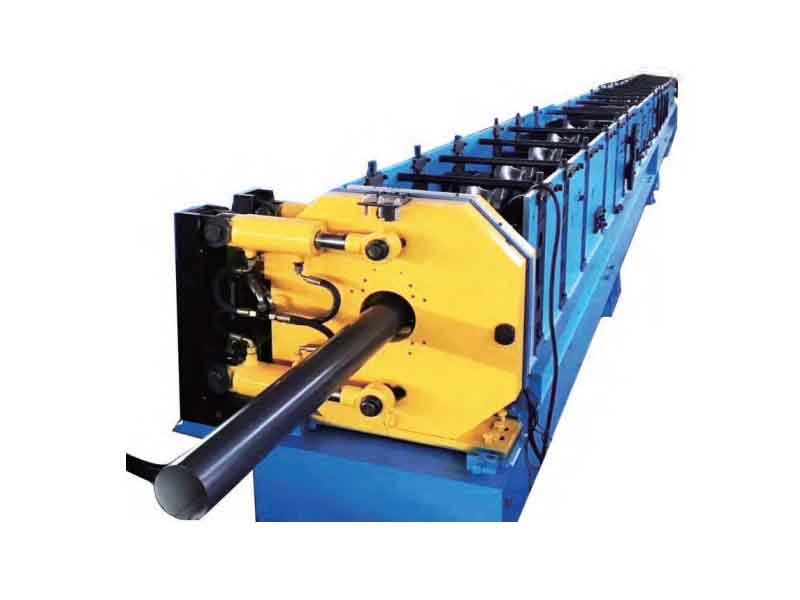
Understanding the Mechanics Behind Downspout Forming Machines
Table of Contents
- 1. Introduction to Downspout Forming Machines
- 2. Importance of Downspout Forming Machines in Metalworking
- 3. Working Principles of Downspout Forming Machines
- 4. Key Components of Downspout Forming Machines
- 5. Types of Downspout Forming Machines
- 6. The Operational Process of Downspout Forming Machines
- 7. Maintenance Tips for Downspout Forming Machines
- 8. Future Trends in Downspout Forming Technology
- 9. FAQs about Downspout Forming Machines
- 10. Conclusion
1. Introduction to Downspout Forming Machines
Downspout forming machines are essential tools in the manufacturing sector, specifically in the production of metal components used in construction and landscaping. These machines streamline the production process, ensuring that downspouts are created with precision, speed, and efficiency. Understanding their mechanics not only enhances your knowledge but can also lead to improved operational practices in your manufacturing processes.
2. Importance of Downspout Forming Machines in Metalworking
The significance of downspout forming machines can’t be overstated. As part of the broader category of metalworking machinery, they play a crucial role in the fabrication of essential structures like gutters and drainage systems. Efficient downspout formation ensures that these systems effectively manage water runoff, preventing potential damage to buildings and landscapes.
Manufacturers utilize these machines to create products that meet specific performance standards, offering durability and resistance to various environmental factors. This precision is especially crucial in areas prone to heavy rainfall, where proper drainage is vital for infrastructure longevity.
3. Working Principles of Downspout Forming Machines
The working principle of downspout forming machines can be broken down into several stages:
3.1 Material Feeding
The process begins with feeding metal sheets into the machine. The feeding mechanism is designed to handle various thicknesses and types of metal, allowing flexibility in production.
3.2 Forming Process
Once the metal sheet is fed into the machine, it undergoes a series of bending and shaping operations. These operations are typically performed using rollers that guide the metal into the desired shape.
3.3 Cutting
After forming, the next step involves cutting the metal to the required lengths. This is usually executed by automated cutting tools that ensure precise measurements for each piece.
3.4 Quality Control
Quality control is integrated into the forming process. Advanced machines come equipped with sensors and monitoring systems that detect any discrepancies in size or shape, allowing for immediate corrections.
4. Key Components of Downspout Forming Machines
Understanding the key components of downspout forming machines is essential for appreciating their functionality. These machines generally consist of:
4.1 Feed Mechanism
The feed mechanism is responsible for advancing the metal sheets into the machine, ensuring consistent and precise movement.
4.2 Forming Rollers
Forming rollers are the heart of the machine, shaping the metal as it passes through. These rollers can be adjusted according to the required specifications of the downspouts.
4.3 Cutting Tools
Integrated cutting tools ensure that the fabricated downspouts are cut to the exact lengths needed for installation.
4.4 Control System
Modern downspout forming machines feature sophisticated control systems that allow operators to program various settings, enhancing efficiency and reducing the potential for errors.
5. Types of Downspout Forming Machines
Downspout forming machines come in various types, each designed for specific production needs:
5.1 Manual Downspout Forming Machines
These machines require operators to manually adjust settings and handle the metal sheets. While they are cost-effective, they demand more labor and can be less efficient.
5.2 Semi-Automatic Downspout Forming Machines
Semi-automatic machines combine manual input with automated features, offering a balance between efficiency and operator control.
5.3 Fully Automatic Downspout Forming Machines
Fully automatic machines are capable of handling the entire production process with minimal human intervention. They are ideal for large-scale operations where speed and consistency are paramount.
6. The Operational Process of Downspout Forming Machines
The operational process of downspout forming machines is systematic and efficient:
6.1 Setup Phase
Operational efficiency begins with the setup phase, where operators prepare the machine for production by selecting the appropriate settings based on the specifications of the downspouts being manufactured.
6.2 Production Phase
During the production phase, the machine feeds metal sheets, shapes them using rollers, and cuts them to the desired lengths. Operators monitor the process to ensure everything runs smoothly.
6.3 Quality Assurance Phase
Post-production, each batch of downspouts undergoes quality assurance testing, which may include visual inspections and measurements to ensure compliance with industry standards.
6.4 Maintenance Phase
Regular maintenance is critical to keep the machines running optimally. This includes cleaning, lubrication, and checking for wear and tear on components.
7. Maintenance Tips for Downspout Forming Machines
To prolong the life of downspout forming machines and maintain production quality, adhere to these maintenance tips:
7.1 Regular Cleaning
Dust and metal shavings can accumulate on the machine, potentially affecting its performance. Regular cleaning prevents this buildup.
7.2 Lubrication
Keep moving parts well-lubricated to reduce friction and wear. Check lubrication levels frequently and replace lubricants as recommended by the manufacturer.
7.3 Component Inspection
Conduct routine inspections of key components like rollers and cutting tools. Replace any parts that show signs of wear to maintain production quality.
7.4 Software Updates
For machines equipped with digital control systems, ensure that software updates are applied regularly to benefit from improvements and fixes.
8. Future Trends in Downspout Forming Technology
The landscape of downspout forming technology is continually evolving. Future trends include:
8.1 Integration of AI and Automation
The incorporation of artificial intelligence in downspout forming machines promises to enhance operational efficiency by optimizing production parameters in real-time.
8.2 Improved Energy Efficiency
Energy-efficient machines are becoming a priority, helping manufacturers to reduce operational costs while also contributing to sustainability goals.
8.3 Advanced Materials
Research is ongoing into the use of advanced materials that offer better durability and resistance to corrosion, which can enhance the life cycle of the downspouts produced.
9. FAQs about Downspout Forming Machines
9.1 What materials can be used in downspout forming machines?
Downspout forming machines primarily use galvanized steel, aluminum, and copper, all known for their durability and resistance to the elements.
9.2 How do I choose the right downspout forming machine for my needs?
Consider factors such as production volume, material types, and budget. Fully automatic machines are ideal for high-volume production, while manual machines are suitable for smaller operations.
9.3 What is the average lifespan of a downspout forming machine?
With proper maintenance, a downspout forming machine can last anywhere from 10 to 20 years, depending on usage and care.
9.4 Are there any safety precautions for using downspout forming machines?
Yes, operators should wear appropriate personal protective equipment (PPE) and follow the manufacturer's safety guidelines to prevent accidents.
9.5 How can I optimize production using downspout forming machines?
Regular maintenance, employee training, and process optimization through advanced technology can significantly enhance production efficiency.
10. Conclusion
In summary, downspout forming machines are invaluable in the metalworking industry, offering precision and efficiency in the production of essential components. Understanding the mechanics and operational principles behind these machines is crucial for manufacturers aiming to optimize their processes. As technology continues to advance, the future of downspout forming promises even greater enhancements, making it an exciting field for innovation and development. By embracing these advancements and adhering to best practices in maintenance, manufacturers can ensure their machines operate at peak performance, ultimately providing better products and services in the market.

Contact Us
Email:
WhatsApp:
WhatsApp:
Address:
Xing Village, Shibawu, Botou Town, Cangzhou City, Hebei Province



Message Inquiry