A manufacturing enterprise mainly engaged in the design and manufacture of cold bending equipment

Slitting Line Maintenance: Best Practices for Longevity and Efficiency
2026-07-25
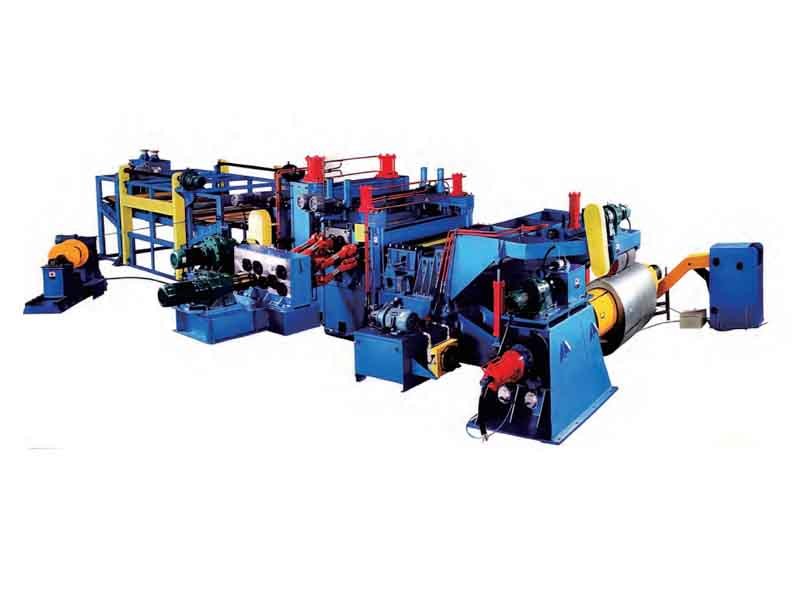
Slitting Line Maintenance: Best Practices for Longevity and Efficiency
Introduction to Slitting Line Maintenance
In the realm of manufacturing and metal processing, the efficiency and longevity of machinery are critical. Among various machines, **slitting lines** play a pivotal role in cutting metal sheets into narrower strips. Proper maintenance not only boosts productivity but also prolongs the lifespan of the equipment. Understanding best practices for slitting line maintenance can significantly impact operational efficiency and cost-effectiveness.
Understanding the Importance of Slitting Line Maintenance
Regular maintenance of slitting lines is vital for several reasons:
1. Enhanced Operational Efficiency
Routine maintenance ensures that all components of the slitting line function optimally. This leads to reduced downtime and increased output, ultimately boosting overall productivity.
2. Cost-Effectiveness
Investing in preventive maintenance is far more economical than dealing with unexpected breakdowns. Regular checks can help identify minor issues before they escalate into costly repairs.
3. Safety Compliance
Maintaining slitting lines in good condition is crucial for workplace safety. Regular inspections help identify worn-out parts that could pose hazards to operators.
Key Components of a Slitting Line
Before diving into maintenance practices, it's essential to understand the primary components of a slitting line:
1. Uncoiler
The uncoiler unwinds the metal coil and feeds it into the slitting process. Proper tension adjustment and bearing lubrication are crucial for smooth operation.
2. Slitting Head
This is where the actual cutting takes place. It consists of blades that need regular sharpening and alignment checks to ensure clean cuts.
3. Tension System
Maintaining the correct tension on the material being processed is vital for achieving accurate slit widths. Regular monitoring and adjustments are necessary.
4. Recoiler
The recoiler wraps the finished strips into coils. Ensuring that the recoiler operates smoothly is essential for maintaining quality and preventing damage to the strips.
Best Practices for Slitting Line Maintenance
To ensure the longevity and efficiency of a slitting line, we recommend the following best practices:
1. Implement a Preventive Maintenance Schedule
Establishing a **preventive maintenance schedule** is a cornerstone of effective slitting line maintenance. This schedule should include:
- Regular inspections of all components.
- Lubrication of moving parts.
- Blade sharpening intervals.
- Tension checks.
Regular documentation of maintenance activities can help track performance and identify trends over time.
2. Conduct Routine Inspections
A thorough inspection should be conducted at regular intervals. Key areas to focus on include:
- **Blades:** Check for wear and misalignment. Adjust or replace as necessary.
- **Bearings:** Look for signs of wear, overheating, or unusual noises.
- **Tension settings:** Monitor and adjust to prevent material issues.
- **Hydraulic systems:** Inspect for leaks and proper fluid levels.
3. Keep a Clean Work Environment
A clean workspace is essential for maintaining machinery. Regularly clean the area around the slitting line to minimize contamination and reduce the risk of accidents.
4. Training and Operator Awareness
Invest in training programs for operators. Ensure they are well-versed in the machinery's operation and maintenance requirements. Encourage them to report any unusual sounds or performance issues immediately.
5. Utilize Quality Replacement Parts
When replacing worn or damaged parts, always opt for high-quality replacement components. This ensures compatibility and longevity, reducing the need for frequent repairs.
6. Monitor Operating Conditions
Pay attention to environmental factors such as temperature and humidity, as they can impact machine performance. Implement controls to maintain optimal conditions where possible.
7. Utilize Technology for Predictive Maintenance
Incorporate sensors and monitoring systems that provide real-time data on the machinery’s health. This technology can help predict when maintenance should occur, allowing for proactive measures rather than reactive repairs.
8. Document All Maintenance Activities
Keeping a log of all maintenance activities is essential. This documentation can serve as a reference for future maintenance and help identify patterns that may indicate underlying issues.
The Role of Technology in Slitting Line Maintenance
Technological advancements have transformed maintenance practices in manufacturing. Here’s how technology can enhance slitting line maintenance:
1. Predictive Maintenance Tools
Modern predictive maintenance tools use sensors and data analytics to predict when a machine is likely to fail. By scheduling maintenance based on actual machine data rather than arbitrary timelines, manufacturers can avoid costly downtime.
2. Remote Monitoring
Remote monitoring systems allow managers to keep tabs on machinery performance from anywhere. This capability enables timely interventions and reduces the need for frequent on-site visits.
3. Maintenance Management Software
Implementing maintenance management software can streamline the maintenance process. It helps track maintenance schedules, inventory levels for replacement parts, and staff assignments efficiently.
Common Slitting Line Issues and Troubleshooting
Despite best practices, issues can arise. Here are some common problems and their solutions:
1. Uneven Slit Widths
*Cause:* Misalignment of the slitting blades or improper tension settings.
*Solution:* Regularly check blade alignment and tension settings, adjusting as necessary.
2. Material Wrinkles or Bows
*Cause:* Inadequate tension or improper feeding.
*Solution:* Ensure proper tension settings and monitor the feeding process for any disruptions.
3. Excessive Wear on Blades
*Cause:* Incorrect blade material or improper maintenance.
*Solution:* Use high-quality blades and establish a regular sharpening schedule.
4. Poor Edge Quality
*Cause:* Dull blades or incorrect cutting speeds.
*Solution:* Regularly inspect and sharpen blades, and adjust cutting speeds based on material specifications.
Impact of Regular Maintenance on Productivity
Investing time and resources into regular maintenance directly correlates with increased productivity. Here’s how:
1. Reduced Downtime
Proactive maintenance minimizes unexpected breakdowns, allowing for smoother operations and higher output.
2. Improved Product Quality
Well-maintained equipment produces consistent quality products, reducing waste and increasing customer satisfaction.
3. Enhanced Safety
Regular maintenance reduces the likelihood of accidents, ensuring a safer working environment for operators.
FAQs about Slitting Line Maintenance
1. How often should slitting lines be inspected?
Slitting lines should be inspected at least once a month, with more frequent checks for critical components.
2. What are the signs that a slitting line needs maintenance?
Signs include unusual noises, vibration, inconsistent cuts, and overheating components.
3. Can slitting lines operate in humid environments?
Yes, but humidity can affect lubrication. Ensure regular checks on lubrication levels in such conditions.
4. What type of lubrication should be used for slitting lines?
Use manufacturer-recommended lubricants, as they are specifically designed for the components involved.
5. Is it better to repair or replace worn components?
This depends on the extent of wear and cost. Evaluate the situation on a case-by-case basis, keeping cost-effectiveness in mind.
Conclusion
Effective slitting line maintenance is crucial for maximizing the efficiency and longevity of your machinery. By implementing a comprehensive maintenance plan, conducting regular inspections, utilizing technology for predictive maintenance, and addressing common issues promptly, manufacturers can ensure that their slitting lines operate at peak performance. This proactive approach not only enhances productivity but also safeguards the quality of output and the safety of the working environment. Investing in proper maintenance practices today will pay dividends in efficiency, cost savings, and operational excellence for years to come.
Previous Article:

Contact Us
Email:
WhatsApp:
WhatsApp:
Address:
Xing Village, Shibawu, Botou Town, Cangzhou City, Hebei Province



Message Inquiry