A manufacturing enterprise mainly engaged in the design and manufacture of cold bending equipment

Innovations in Manual Uncoilers: What’s New in Metalworking?
2026-06-15
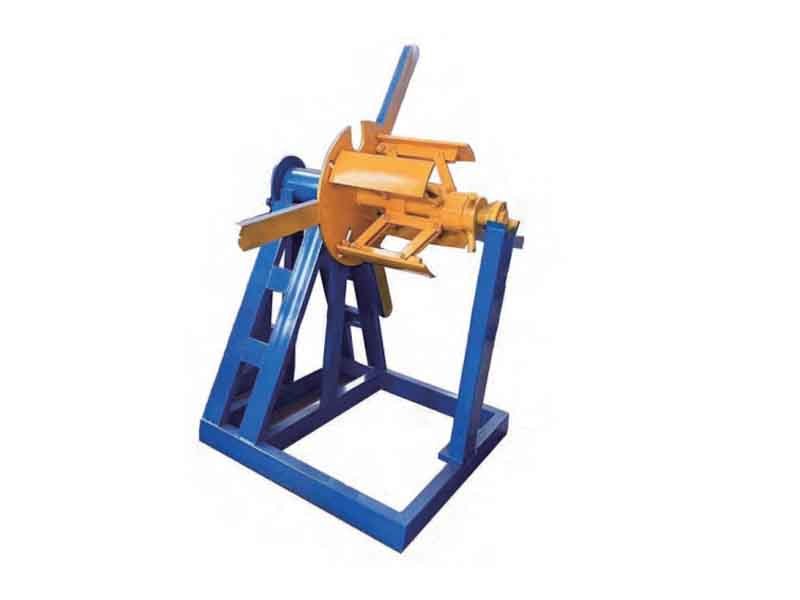
Innovations in Manual Uncoilers: What’s New in Metalworking?
Table of Contents
- 1. Introduction to Manual Uncoilers in Metalworking
- 2. Importance of Manual Uncoilers in Metal Processing
- 3. Recent Innovations in Manual Uncoilers
- 3.1 Automation Features in Manual Uncoilers
- 3.2 Advanced Material Designs
- 3.3 Ergonomics and User-Friendliness
- 3.4 Safety Enhancements
- 3.5 Energy Efficiency Improvements
- 4. Impact of Innovations on the Metalworking Industry
- 5. Case Studies of Successful Implementations
- 6. Future Trends in Manual Uncoilers
- 7. Frequently Asked Questions
- 8. Conclusion
1. Introduction to Manual Uncoilers in Metalworking
Manual uncoilers are essential machines in the metalworking industry, primarily used for unwinding coils of sheet metal into manageable strips. These machines facilitate various processes, including cutting, bending, and forming, which are critical for manufacturing components in industries ranging from automotive to aerospace. As technology evolves, the demand for more efficient and effective equipment has led to significant innovations in manual uncoilers.
2. Importance of Manual Uncoilers in Metal Processing
The role of manual uncoilers cannot be overstated. They are fundamental in ensuring smooth operations in metal processing. Their importance includes:
- **Enhanced Productivity**: Manual uncoilers allow for quick and easy loading of metal sheets, reducing downtime.
- **Versatility**: They can handle various coil sizes and weights, making them adaptable to different manufacturing needs.
- **Quality Control**: By effectively unwinding coils, they minimize material waste and enhance the quality of the final product.
As we explore recent innovations, it becomes clear that modern manual uncoilers are designed to address the challenges faced by manufacturers, improving both efficiency and safety.
3. Recent Innovations in Manual Uncoilers
The advancements in manual uncoilers encompass several key areas that are reshaping their functionality and efficiency.
3.1 Automation Features in Manual Uncoilers
One of the most significant trends in metalworking is the integration of automation into manual uncoilers. Modern machines are being equipped with automated features such as:
- **Smart Sensors**: These sensors monitor the coil’s tension and adjust the feeding speed accordingly, ensuring a consistent flow of material.
- **Remote Control Systems**: Operators can manage the uncoiling process from a distance, allowing for greater flexibility and control in busy production environments.
With automation, manufacturers can achieve higher efficiency levels while reducing the need for manual labor.
3.2 Advanced Material Designs
The materials used in constructing manual uncoilers have also advanced significantly. Innovations include:
- **High-Strength Alloys**: These materials are lighter yet stronger, allowing for more robust machinery that can handle heavier loads without compromising performance.
- **Corrosion-Resistant Coatings**: Such coatings extend the lifespan of uncoilers, especially in environments where moisture and chemicals are prevalent.
These improvements not only enhance the durability of the machines but also improve their overall performance.
3.3 Ergonomics and User-Friendliness
Manufacturers are increasingly focusing on the ergonomics of manual uncoilers. Key innovations include:
- **Adjustable Heights**: This feature allows operators to set the machine to a comfortable working height, reducing strain and fatigue.
- **Simplified Controls**: User-friendly interfaces make it easier for operators to manage the uncoiling process, minimizing training time and errors.
By prioritizing ergonomics, manufacturers improve workplace safety and operator satisfaction, leading to enhanced productivity.
3.4 Safety Enhancements
Safety is a paramount concern in metalworking. Recent innovations in manual uncoilers include:
- **Automatic Shutoff Systems**: These systems stop the machine if an obstruction is detected, preventing accidents and injuries.
- **Enhanced Guarding**: Improved safety guards protect operators from moving parts, ensuring a safer working environment.
With these advancements, manufacturers can promote a culture of safety while enhancing operational efficiency.
3.5 Energy Efficiency Improvements
Energy consumption is a critical issue in manufacturing. Innovations in manual uncoilers are focused on reducing energy usage, such as:
- **Energy-Efficient Motors**: New motor technologies consume less power while delivering higher performance, leading to lower operational costs.
- **Eco-Friendly Designs**: Manufacturers are adopting designs that minimize material waste and energy consumption throughout the machine's lifecycle.
These measures not only contribute to cost savings but also align with broader sustainability goals.
4. Impact of Innovations on the Metalworking Industry
The innovations in manual uncoilers significantly impact the metalworking industry. They enable manufacturers to:
- **Increase Output**: Enhanced efficiency leads to higher production rates and less downtime.
- **Reduce Costs**: Lower energy consumption and waste lead to significant cost savings.
- **Improve Safety and Compliance**: With better safety features, companies can adhere to regulatory standards more easily, fostering a safer work environment.
These benefits collectively drive the adoption of manual uncoilers across various sectors, from automotive to electronics.
5. Case Studies of Successful Implementations
To illustrate the effectiveness of these innovations, we can examine a few case studies:
- **Automotive Manufacturer**: A leading automotive manufacturer implemented an advanced manual uncoiler with automation features. As a result, they increased their production rate by 30% and reduced material waste significantly.
- **Aerospace Supplier**: An aerospace component supplier adopted a manual uncoiler with ergonomic designs and safety enhancements. This resulted in fewer workplace injuries and higher employee satisfaction.
These cases exemplify how embracing innovation can lead to substantial operational improvements.
6. Future Trends in Manual Uncoilers
Looking ahead, we can expect several trends to shape the future of manual uncoilers:
- **Smart Technology Integration**: The incorporation of IoT devices is likely to become prevalent, enabling real-time monitoring and analytics.
- **Sustainability Focus**: As industries strive for greener practices, manual uncoilers will evolve to utilize more sustainable materials and energy-efficient technologies.
- **Customizable Solutions**: Manufacturers will increasingly seek tailored uncoiling solutions that meet specific production requirements, leading to more versatile machine designs.
These trends will continue to push the boundaries of what manual uncoilers can achieve in the metalworking sector.
7. Frequently Asked Questions
What is a manual uncoiler?
A manual uncoiler is a machine used to unwind coils of sheet metal, making it easier to process them in various manufacturing applications.
How have manual uncoilers changed in recent years?
Recent advancements include automation features, ergonomic designs, improved safety measures, and energy-efficient technologies.
Why are ergonomic designs important in manual uncoilers?
Ergonomic designs reduce operator fatigue and strain, leading to improved productivity and workplace safety.
What safety features should be considered in manual uncoilers?
Look for automatic shutoff systems, enhanced guarding, and user-friendly controls to promote a safer working environment.
How can innovations in manual uncoilers impact production costs?
Innovations can lead to reduced energy consumption, lower material waste, and improved efficiency, all contributing to lower overall production costs.
8. Conclusion
In conclusion, innovations in manual uncoilers are reshaping the landscape of the metalworking industry. With advancements in automation, material design, ergonomics, safety, and energy efficiency, these machines are now more adept at meeting the demands of modern manufacturing. By adopting these innovations, manufacturers can enhance productivity, improve safety, and achieve significant cost savings. As we look to the future, the continued evolution of manual uncoilers promises to drive further advancements in metalworking, ensuring that companies remain competitive in an ever-changing market.
Previous Article:

Contact Us
Email:
WhatsApp:
WhatsApp:
Address:
Xing Village, Shibawu, Botou Town, Cangzhou City, Hebei Province



Message Inquiry