A manufacturing enterprise mainly engaged in the design and manufacture of cold bending equipment

Comparing Different Types of Wall Panel Forming Machines: Which One Is Right for You?
2026-10-13
Comparing Different Types of Wall Panel Forming Machines: Which One Is Right for You?
Table of Contents
- 1. Introduction to Wall Panel Forming Machines
- 2. Types of Wall Panel Forming Machines
- 2.1 Roll Forming Machines
- 2.2 Press Brake Machines
- 2.3 Panel Saw Machines
- 2.4 Automatic Formed Panel Machines
- 3. Key Features to Consider
- 4. Cost and Efficiency Analysis
- 5. Applications and Industry Uses
- 6. Maintenance and Support
- 7. Frequently Asked Questions
- 8. Conclusion
1. Introduction to Wall Panel Forming Machines
In the ever-evolving landscape of manufacturing, wall panel forming machines have emerged as essential equipment for creating high-quality wall panels. These machines play a vital role in the construction industry, providing versatility and efficiency for various applications. This guide aims to equip you with the knowledge necessary to compare different types of wall panel forming machines and determine which model best fits your specific needs.
2. Types of Wall Panel Forming Machines
Understanding the different types of wall panel forming machines is crucial for making informed decisions. Below, we explore the primary types, their functionalities, and their applications.
2.1 Roll Forming Machines
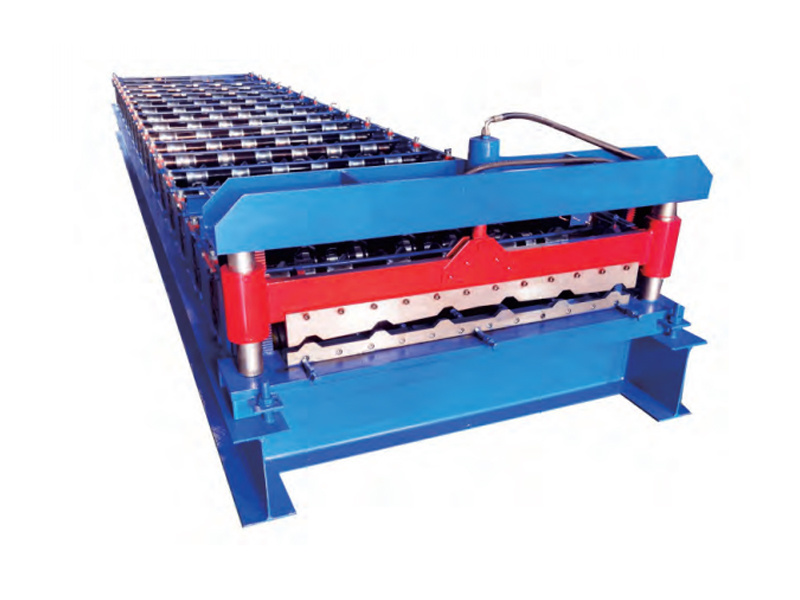
Roll forming machines are designed to create continuous lengths of panels by passing metal sheets through a series of rollers. This process shapes the metal into the desired profile. Roll forming is ideal for producing long and uniform wall panels, making it popular among manufacturers.
**Advantages:**
- High production efficiency
- Ability to produce custom shapes
- Minimal material waste
**Disadvantages:**
- High initial cost
- Requires skilled operators
2.2 Press Brake Machines
Press brake machines utilize hydraulic or mechanical force to bend and shape metal sheets into specific angles and profiles. These machines are versatile and can handle various materials and thicknesses, making them suitable for producing complex wall panel designs.
**Advantages:**
- Versatility in designing complex shapes
- Precise bending capabilities
- Ideal for low to medium production runs
**Disadvantages:**
- Slower than roll forming
- More labor-intensive
2.3 Panel Saw Machines
Panel saw machines are essential for cutting large panels down to size with precision. These machines can handle various materials, including wood, metal, and composite materials. Panel saws are particularly useful in custom construction jobs where specific panel dimensions are necessary.
**Advantages:**
- Accurate cuts with minimal waste
- Ability to handle multiple materials
- Ideal for custom panel requirements
**Disadvantages:**
- Limited to cutting operations
- Requires additional machinery for shaping and forming
2.4 Automatic Formed Panel Machines
As technology advances, automatic formed panel machines have gained popularity. These machines integrate forming, cutting, and sometimes even stacking operations into one automated process. They are designed to optimize efficiency and reduce labor costs.
**Advantages:**
- High automation and efficiency
- Reduced labor costs
- Consistent quality of output
**Disadvantages:**
- Higher upfront investment
- Potential for technical issues requiring specialized support
3. Key Features to Consider
When choosing a wall panel forming machine, there are several key features to consider:
**1. Production Capacity:**
Analyze the production volume you require. Determine if you need a machine that can handle high volumes or if a smaller unit will suffice for your needs.
**2. Material Compatibility:**
Ensure the machine can work with the specific materials you plan to use, such as metals, plastics, or composites.
**3. Precision and Tolerances:**
Evaluate the precision levels and tolerances the machine can achieve. High precision is crucial for quality wall panels.
**4. Automation Level:**
Decide if you prefer a fully automated machine or a semi-automated one based on your budget and production needs.
**5. Maintenance Requirements:**
Consider the maintenance needs of the machine. Some machines require more frequent maintenance, which can affect your operational efficiency.
4. Cost and Efficiency Analysis
Investing in a wall panel forming machine is a significant decision, and understanding the cost-to-efficiency ratio is crucial.
**1. Initial Investment:**
The upfront cost varies widely among different types of machines. Roll forming machines typically require a higher initial investment than press brakes or panel saws.
**2. Operating Costs:**
Consider the long-term operating costs, including energy consumption, maintenance, and labor. Automated machines may have higher upfront costs but can save money in labor over time.
**3. Return on Investment (ROI):**
Calculate the potential ROI based on production volume, efficiency, and quality of output. This will help determine which machine will provide the best financial return for your business.
5. Applications and Industry Uses
Wall panel forming machines find applications in various sectors, including:
**1. Residential Construction:**
Manufacturers use wall panel forming machines to produce prefabricated panels for homes, resulting in faster construction times and improved energy efficiency.
**2. Commercial Construction:**
These machines are essential for creating wall panels for office buildings, shopping centers, and other commercial structures.
**3. Industrial Applications:**
In industrial settings, wall panel forming machines are used to create panels for warehouses, factories, and storage facilities, providing durability and insulation.
**4. Custom Projects:**
For specialized projects requiring unique dimensions or designs, wall panel forming machines can be adapted to meet specific client needs.
6. Maintenance and Support
Proper maintenance is critical for ensuring the longevity and reliability of your wall panel forming machine.
**1. Regular Maintenance:**
Establish a maintenance schedule that includes cleaning, lubrication, and inspection of critical components to prevent breakdowns.
**2. Technical Support:**
Choose a manufacturer that offers robust technical support and training for your operators. This will help minimize downtime and ensure efficient operation.
**3. Spare Parts Availability:**
Ensure that spare parts are readily available for your machine to facilitate quick repairs should the need arise.
7. Frequently Asked Questions
**Q1: What is the best type of wall panel forming machine for small businesses?**
A1: For small businesses, a press brake machine may be suitable due to its versatility and lower cost.
**Q2: How do I determine the right machine for my specific needs?**
A2: Assess your production volume, material types, and desired panel designs to find the machine that best fits your requirements.
**Q3: Are automated machines worth the investment?**
A3: Automated machines can significantly improve production efficiency and reduce labor costs, making them a worthwhile investment for larger operations.
**Q4: How often should I perform maintenance on my machine?**
A4: Regular maintenance should be conducted based on the manufacturer's recommendations, typically every few months.
**Q5: Can wall panel forming machines handle different materials?**
A5: Many machines are designed to work with various materials, but it's essential to check compatibility before purchasing.
8. Conclusion
Choosing the right wall panel forming machine is a critical decision that can significantly impact your manufacturing efficiency and product quality. By understanding the different types of machines available, their features, costs, and applications, you can make an informed choice that aligns with your business needs. Whether you opt for a roll forming machine, press brake, panel saw, or an automatic formed panel machine, ensuring the right fit will enhance productivity and deliver high-quality results. Embrace the right technology today and watch your business thrive in the competitive landscape of wall panel production.
Previous Article:

Contact Us
Email:
WhatsApp:
WhatsApp:
Address:
Xing Village, Shibawu, Botou Town, Cangzhou City, Hebei Province



Message Inquiry