A manufacturing enterprise mainly engaged in the design and manufacture of cold bending equipment

Understanding the Functionality and Benefits of Cold Bending Machines in Metal Processing
2026-10-08
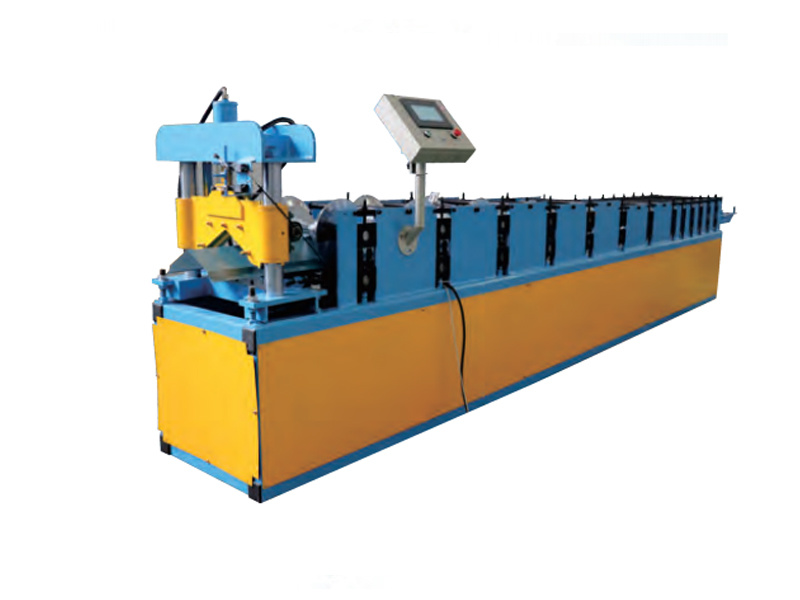
Cold bending machines are specialized tools designed for shaping and forming metal materials at room temperature, a process known as cold bending. These machines play a crucial role in metal fabrication and processing, catering to various industries that require precise and efficient metal forming solutions. Unlike hot bending, which involves heating the metal to make it malleable, cold bending retains the material’s original properties, resulting in increased strength and a smoother surface finish.
The operation of a cold bending machine typically involves a system of rollers, dies, and bending mechanisms that work together to manipulate the metal into the desired shape. The material, often in the form of sheets, plates, or structural sections, is fed into the machine, where it is guided through a series of rollers that exert controlled pressure. This pressure bends the metal into specified angles or curves without causing any significant distortion or damage to the material.
One of the most significant benefits of using cold bending machines is the enhanced mechanical properties of the bent material. Since the metal is not subjected to high temperatures, it retains its hardness and strength, making it ideal for applications where structural integrity is critical. Additionally, cold bending reduces the likelihood of oxidation and contamination, leading to cleaner and more uniform finishes.
Another advantage is the versatility these machines offer. Cold bending machines can accommodate a wide range of materials, including various types of steel, aluminum, and other alloys. This adaptability makes them suitable for diverse applications, such as constructing frames, brackets, and enclosures in the automotive, aerospace, and construction sectors.
Moreover, the precision of cold bending machines allows for intricate designs and tight tolerances, which are often required in modern manufacturing processes. Operators can make quick adjustments to the machine settings, enabling rapid prototyping and production runs without significant downtime. This efficiency contributes to cost savings and improved workflow in manufacturing environments.
In terms of maintenance, cold bending machines are generally low-maintenance compared to other metal processing equipment. Regular inspections and minor adjustments can ensure optimal performance and longevity, making them a reliable investment for manufacturers.
In summary, cold bending machines are indispensable in the metal processing industry, providing a reliable method for shaping metal materials without compromising their integrity. Their ability to produce high-quality, precise components makes them a preferred choice for manufacturers looking to enhance their production capabilities while maintaining material strength and finish quality. Understanding the functionality and applications of cold bending machines can help industry professionals make informed decisions when integrating these machines into their workflows.
Previous Article:

Contact Us
Email:
WhatsApp:
WhatsApp:
Address:
Xing Village, Shibawu, Botou Town, Cangzhou City, Hebei Province



Message Inquiry