A manufacturing enterprise mainly engaged in the design and manufacture of cold bending equipment

Understanding Steel Rolling Mills: Key Processes and Technologies
2026-09-28
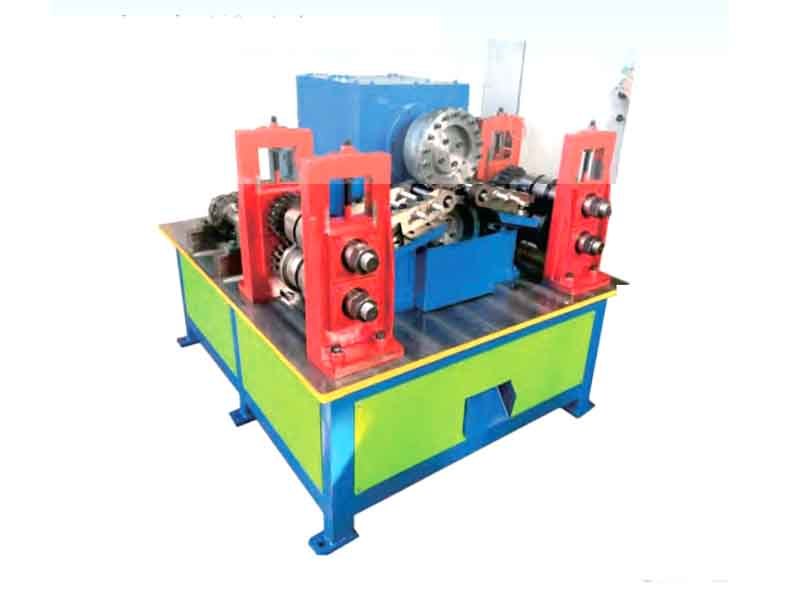
Steel rolling mills are critical components in the manufacturing and processing of metal, specifically in the production of steel products. The primary function of a steel rolling mill is to convert raw steel into various finished forms, such as sheets, plates, bars, and profiles. Understanding the processes and technologies associated with steel rolling mills can significantly enhance productivity and product quality in metal forming operations.
At the core of the steel rolling mill process is the concept of deformation. This involves the application of mechanical forces to reshape the steel material. The process typically begins with heating the raw steel billets or slabs in reheating furnaces. This heating phase is vital as it reduces the material's strength, making it easier to shape and form.
Once the steel reaches the desired temperature, it is fed into a series of rolls. The rolling process can be classified into two main types: hot rolling and cold rolling. Hot rolling is performed at temperatures above the steel's recrystallization point, allowing for significant deformation. This method is commonly used for creating large products such as beams and sheets. In contrast, cold rolling is conducted at or near room temperature, which enhances the steel's surface finish and dimensional accuracy, making it suitable for applications requiring tight tolerances.
The technology utilized in steel rolling mills has evolved significantly over the years. Modern mills often incorporate advanced automation and control systems to enhance operational efficiency. Sensors and monitoring devices are employed to track parameters such as temperature, speed, and thickness, enabling real-time adjustments to maintain product quality. Additionally, computer-aided design (CAD) and simulation software are increasingly used to optimize roll designs and predict performance outcomes.
Another critical aspect of steel rolling mills is the need for effective maintenance practices. Regular inspections and maintenance of rolling equipment, including rolls and bearings, are essential to minimize downtime and prolong the lifespan of the machinery. Implementing predictive maintenance strategies, such as vibration analysis and thermal imaging, can help identify potential issues before they lead to significant failures.
In conclusion, steel rolling mills play a vital role in the metal forming industry, transforming raw steel into a diverse range of products. By understanding the essential processes and leveraging advanced technologies, professionals can improve the efficiency and quality of their manufacturing operations. Emphasizing the importance of maintenance and continuous improvement will further support the sustainability and productivity of steel rolling mills in the ever-evolving manufacturing landscape.
Previous Article:

Contact Us
Email:
WhatsApp:
WhatsApp:
Address:
Xing Village, Shibawu, Botou Town, Cangzhou City, Hebei Province



Message Inquiry