A manufacturing enterprise mainly engaged in the design and manufacture of cold bending equipment

How Manual Uncoilers Can Significantly Reduce Waste in Metal Processing
2026-09-23
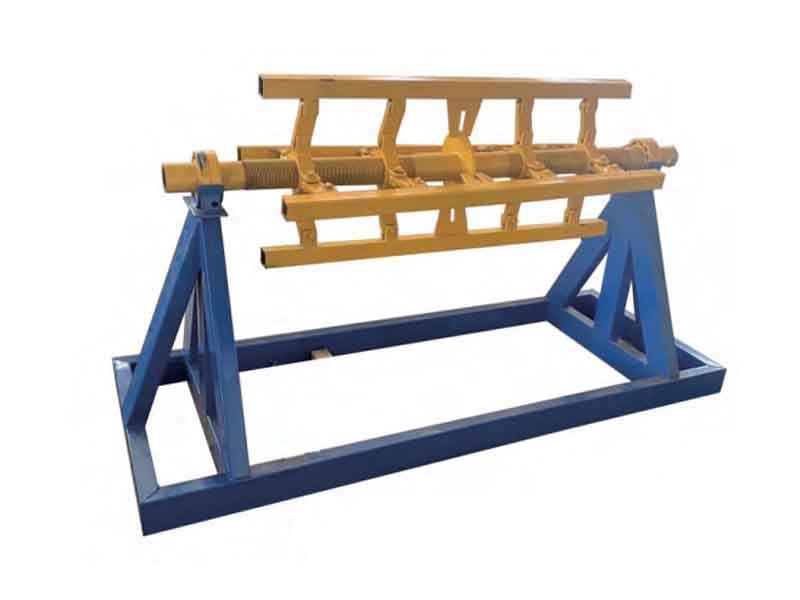
How Manual Uncoilers Can Significantly Reduce Waste in Metal Processing
Table of Contents
- 1. Introduction to Metal Processing Waste
- 2. Understanding Manual Uncoilers
- 3. The Importance of Reducing Waste in Metal Processing
- 4. How Manual Uncoilers Work
- 5. Benefits of Manual Uncoilers in Waste Reduction
- 6. Real-World Applications of Manual Uncoilers
- 7. Best Practices for Using Manual Uncoilers
- 8. Frequently Asked Questions
- 9. Conclusion
1. Introduction to Metal Processing Waste
In the realm of metal processing, waste management is an escalating concern. The industry grapples with various challenges, from raw material wastage to inefficient production processes. **Manual uncoilers**, often overlooked, present a viable solution to mitigate these issues. By streamlining the unwinding of metal coils, they play a critical role in enhancing efficiency and reducing waste.
2. Understanding Manual Uncoilers
Manual uncoilers are specialized devices designed to unwind coils of metal, facilitating the feeding of material into processing machines. Unlike automatic uncoilers, manual variants offer operators greater control and flexibility, making them an excellent choice for small to medium-scale operations.
**Manual uncoilers** are engineered to accommodate various coil sizes and weights, ensuring compatibility with multiple processing tasks. Their ability to handle different materials, including steel and aluminum, enhances their versatility in the metal processing arena.
3. The Importance of Reducing Waste in Metal Processing
Reducing waste in metal processing not only improves profitability but also promotes environmental sustainability. The metal industry is a resource-intensive sector, and the ramifications of excessive waste can lead to increased costs, diminished material availability, and a larger carbon footprint.
By implementing strategies focused on waste reduction, companies can achieve several objectives:
- **Enhanced profitability**: Minimizing waste translates to lower material costs and improved margins.
- **Sustainability**: Responsible waste management contributes to a healthier environment, aligning with global sustainability goals.
- **Regulatory compliance**: Adhering to waste reduction standards helps businesses avoid penalties and fosters a positive public image.
4. How Manual Uncoilers Work
Manual uncoilers operate through a simple yet effective mechanism. The coil is mounted on the uncoiler, and the operator manually feeds the metal into the processing machine. Here’s an overview of the process:
1. **Loading the Coil**: The coil is securely placed on the uncoiler’s spindle. Ensuring the coil is correctly aligned is crucial to prevent jams.
2. **Unwinding the Coil**: The operator manually rotates the coil, allowing the metal strip to unwind smoothly. This step requires careful attention to avoid kinks or breaks in the material.
3. **Feeding into Processing Equipment**: The unwound metal is directed into the processing machine, where it undergoes further operations, such as bending, cutting, or shaping.
Manual uncoilers are typically equipped with adjustable tension controls to regulate the unwinding speed, ensuring a seamless workflow.
5. Benefits of Manual Uncoilers in Waste Reduction
The incorporation of manual uncoilers in metal processing operations brings several benefits that directly contribute to waste reduction:
5.1 Improved Material Handling
Manual uncoilers facilitate better handling of metal coils, reducing the likelihood of damage during the unwinding process. This improved handling minimizes material waste due to defects or breakage.
5.2 Enhanced Precision
With operators in direct control, manual uncoilers allow for precise feeding of materials into processing machines. This precision reduces the risk of overfeeding, which can lead to scrapped products.
5.3 Flexibility and Adaptability
Manual uncoilers can be adjusted to accommodate various coil sizes and types. This versatility enables manufacturers to switch between different materials without requiring extensive setup changes, thereby reducing downtime and waste.
5.4 Lower Maintenance Costs
Compared to larger, automated systems, manual uncoilers generally require less maintenance. This reliability ensures continuous operation, leading to minimized waste and improved productivity.
5.5 Cost-Effectiveness
For small to medium-sized manufacturers, manual uncoilers present a cost-effective solution for waste reduction. They offer a lower initial investment compared to automated systems while delivering substantial benefits.
6. Real-World Applications of Manual Uncoilers
Manual uncoilers find utility across various sectors within the metal processing industry. Here are some prevalent applications:
6.1 Sheet Metal Fabrication
In sheet metal fabrication, manual uncoilers simplify the process of unwinding metal sheets for cutting and shaping. Their precision ensures that material is used efficiently, minimizing scrap.
6.2 Automotive Manufacturing
The automotive industry relies on metal components for various applications. Manual uncoilers help streamline the supply of metal strips and sheets, reducing waste during production.
6.3 HVAC Systems
Manufacturers of HVAC systems utilize manual uncoilers to process metal coils for ductwork. Efficient unwinding leads to accurate cuts, minimizing excess material.
6.4 Construction Industry
In construction, manual uncoilers support the processing of metal for structural components, ensuring that materials are utilized effectively to meet specifications.
7. Best Practices for Using Manual Uncoilers
To maximize the benefits of manual uncoilers and ensure waste reduction, consider the following best practices:
7.1 Regular Maintenance Checks
Conduct routine inspections and maintenance on manual uncoilers to ensure optimal performance. This practice helps prevent breakdowns and associated waste.
7.2 Operator Training
Invest in comprehensive training for operators to ensure they understand the workings of the uncoiler. Well-trained personnel can effectively manage the unwinding process, reducing errors.
7.3 Implementing Quality Control Measures
Establish quality control protocols to monitor material usage and waste. Regular assessments can identify opportunities for improvement in the unwinding process.
7.4 Utilizing Proper Techniques
Encourage operators to employ the correct techniques when feeding metal into the uncoiler. Techniques such as maintaining a steady pace can significantly reduce the risk of material waste.
8. Frequently Asked Questions
8.1 What types of materials can manual uncoilers handle?
Manual uncoilers are designed to accommodate a variety of materials, including different grades of steel, aluminum, and other metals.
8.2 How do manual uncoilers compare to automatic uncoilers?
Manual uncoilers offer greater flexibility and control for smaller operations, while automatic uncoilers are better suited for high-volume production.
8.3 Are manual uncoilers easy to operate?
Yes, manual uncoilers are typically straightforward to operate, but proper training is essential to ensure efficient and safe usage.
8.4 What maintenance is required for manual uncoilers?
Regular cleaning, lubrication of moving parts, and inspections for wear and tear are necessary to maintain optimal performance.
8.5 Can manual uncoilers help in reducing production costs?
Absolutely. By minimizing waste and enhancing efficiency, manual uncoilers can lead to significant reductions in production costs.
9. Conclusion
Incorporating manual uncoilers into metal processing workflows can effectively minimize waste while promoting efficiency and cost-effectiveness. Their ability to enhance material handling, improve precision, and provide operational flexibility makes them an invaluable asset in modern manufacturing. By adopting best practices and maintaining these machines, businesses can not only reduce waste but also contribute to a more sustainable future in the metal processing industry.

Contact Us
Email:
WhatsApp:
WhatsApp:
Address:
Xing Village, Shibawu, Botou Town, Cangzhou City, Hebei Province



Message Inquiry