A manufacturing enterprise mainly engaged in the design and manufacture of cold bending equipment

Understanding Steel Rolling Mills: An Essential Component of Metal Processing Machinery
2026-08-09
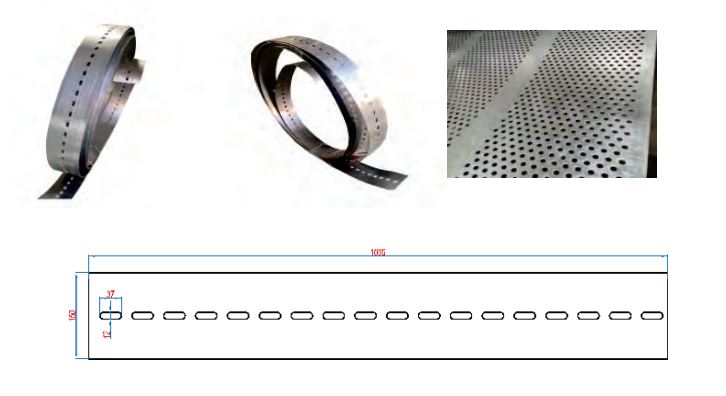
Steel rolling mills are crucial facilities in the manufacturing and processing of metals, particularly steel. These mills are designed to deform and shape steel into various forms, such as sheets, plates, bars, and sections, through a process known as rolling. The operation of a steel rolling mill involves applying mechanical forces to steel billets or slabs, allowing them to be transformed into finished products with specific dimensions and properties.
The rolling process can be classified into two primary categories: hot rolling and cold rolling. Hot rolling involves the deformation of steel at elevated temperatures, which makes the material more malleable and easier to shape. This method is commonly used for producing large volumes of steel products, as it reduces energy costs and improves productivity. On the other hand, cold rolling is conducted at room temperature and is utilized to achieve tighter tolerances and enhanced surface finish. This process is essential for applications where precision is critical, such as in automotive and aerospace industries.
Steel rolling mills consist of several key components, including rolling stands, mills drives, and auxiliary equipment. The rolling stands are the heart of the mill, where the actual deformation occurs. These stands can vary in design, such as two-high, four-high, or cluster configurations, each tailored for specific applications and production requirements. The mill drives are responsible for powering the rolling stands and ensuring consistent speed and torque during operation. Additionally, auxiliary equipment such as cooling systems and hydraulic systems play a vital role in maintaining optimal conditions and enhancing the overall efficiency of the mill.
The efficiency and performance of steel rolling mills can significantly impact the overall manufacturing process. Factors such as rolling speed, temperature control, and material quality influence the final product's characteristics. Implementing advanced technologies, such as automation and real-time monitoring systems, can further enhance productivity and reduce operational costs. These technological advancements enable manufacturers to optimize their processes, resulting in higher quality output and reduced waste.
In conclusion, steel rolling mills are indispensable to the metal processing industry, facilitating the transformation of raw steel into high-performance products. Understanding their operation and components is essential for anyone involved in manufacturing and metalworking. As the industry evolves, continuous improvements and innovations in steel rolling mill technology will play a pivotal role in shaping the future of metal processing. Whether you are a manufacturer, engineer, or investor, familiarizing yourself with the workings of steel rolling mills can provide valuable insights into their critical role in the production chain.
Previous Article:

Contact Us
Email:
WhatsApp:
WhatsApp:
Address:
Xing Village, Shibawu, Botou Town, Cangzhou City, Hebei Province



Message Inquiry