A manufacturing enterprise mainly engaged in the design and manufacture of cold bending equipment

Manual Uncoilers: Unlocking Metal Forming Efficiency in Manufacturing
2026-08-04
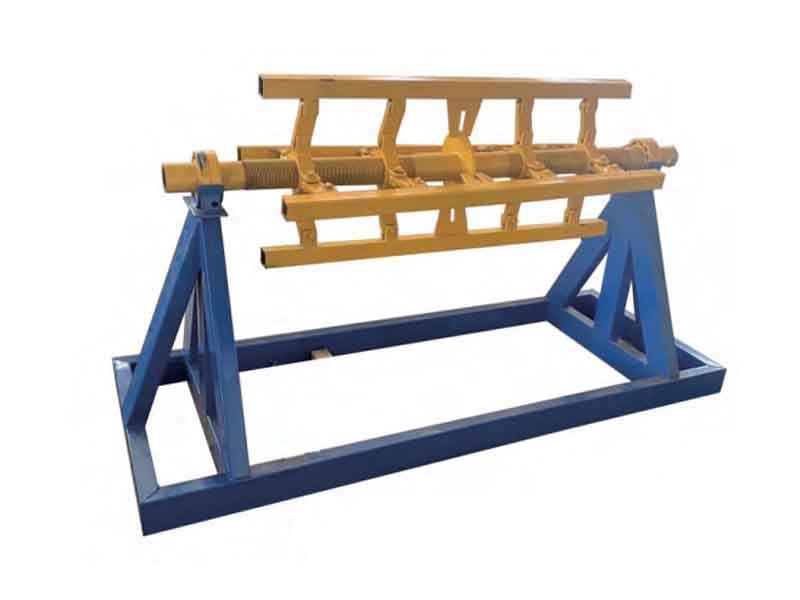
Manual Uncoilers: Your Secret Weapon in Metal Forming Efficiency
Table of Contents
- 1. Introduction to Manual Uncoilers
- 2. Importance of Efficiency in Metal Forming
- 3. How Manual Uncoilers Function
- 4. Benefits of Using Manual Uncoilers
- 5. Selecting the Right Manual Uncoiler
- 6. Best Practices for Using Manual Uncoilers
- 7. Common Issues and Solutions
- 8. Real-Life Case Studies
- 9. Frequently Asked Questions
- 10. Conclusion
1. Introduction to Manual Uncoilers
In the world of metal forming, the efficiency of operations plays a critical role in determining overall productivity. **Manual uncoilers** have emerged as essential tools that significantly contribute to improving metal forming processes. These devices are designed to facilitate the unwinding of metal coils, allowing for a smooth transition into subsequent stages of production. By understanding the nuances of manual uncoilers, manufacturers can make informed decisions that lead to enhanced operational efficiency.
2. Importance of Efficiency in Metal Forming
Efficiency in metal forming is paramount for several reasons:
- **Cost-Effectiveness**: Streamlined processes reduce waste and lower operational costs.
- **Product Quality**: Efficient operations contribute to higher quality products through minimized defects.
- **Time Management**: Faster workflows mean quicker turnaround times, enabling companies to meet customer demands promptly.
- **Competitive Advantage**: In a saturated market, manufacturers with efficient processes can better position themselves against competitors.
As such, investing in tools like manual uncoilers can significantly impact a company’s bottom line and market standing.
3. How Manual Uncoilers Function
Manual uncoilers operate on a straightforward principle: they unwind coils of metal to feed into machinery for further processing. The mechanism typically consists of a spindle, which holds the metal coil, and a feeding arm that guides the metal as it unwinds.
Further details about their operation include:
- **Adjustable Tension Control**: Most manual uncoilers feature adjustable tension settings to ensure the metal is unwound smoothly without causing distortion.
- **Compatibility with Various Materials**: These devices can handle a wide range of materials, from steel to aluminum, making them versatile for various metal forming applications.
- **Hand-Crank Operation**: This allows for precise control over the unwinding process, giving operators the ability to manage the speed and tension of the metal as it feeds into the machinery.
By understanding how these devices work, manufacturers can better appreciate their role in enhancing efficiency.
4. Benefits of Using Manual Uncoilers
Incorporating manual uncoilers into metal forming operations presents numerous advantages:
4.1 Enhanced Productivity
By automating the unwinding of metal coils, manual uncoilers can significantly reduce manual labor, allowing workers to focus on more complex tasks.
4.2 Improved Safety
Manual uncoilers minimize physical strain on workers, reducing the risk of injuries associated with lifting and handling heavy metal coils.
4.3 Flexibility
They offer flexibility in production, allowing manufacturers to switch between different coil sizes and materials with ease.
4.4 Cost Savings
Reductions in labor costs and waste lead to significant savings in the overall production process.
4.5 Quality Control
With better tension control and feeding capabilities, the quality of the finished products is improved, leading to lower defect rates.
5. Selecting the Right Manual Uncoiler
Choosing the appropriate manual uncoiler requires careful consideration of several factors:
5.1 Coil Size and Weight
Manufacturers must assess the size and weight capabilities of the manual uncoiler to ensure it can handle their specific requirements.
5.2 Material Compatibility
Different uncoilers are designed for various materials. Ensure that the chosen device is compatible with the metals you commonly use.
5.3 Ease of Use
Look for features that enhance user experience, such as ergonomic designs and intuitive controls.
5.4 Durability
Invest in high-quality materials that ensure the uncoiler withstands the rigors of daily operation.
5.5 Budget
While it’s essential to find a cost-effective solution, balance the budget with the need for quality and performance.
6. Best Practices for Using Manual Uncoilers
To maximize the benefits of manual uncoilers, implement the following best practices:
6.1 Regular Maintenance
Conduct routine inspections and maintenance to ensure the uncoiler operates efficiently and effectively.
6.2 Training for Operators
Provide comprehensive training for staff to ensure they understand how to operate the uncoiler safely and effectively.
6.3 Optimize Setup
Ensure that the uncoiler is correctly set up in relation to other machinery to minimize disruptions during production.
6.4 Monitor Performance
Keep track of performance metrics to identify areas for improvement and ensure that the uncoiler contributes to overall efficiency.
6.5 Safety Precautions
Implement safety protocols to protect workers from accidents, especially when operating heavy coils.
7. Common Issues and Solutions
Despite their efficacy, manual uncoilers can encounter challenges. Here are some common issues and their solutions:
7.1 Coil Misalignment
**Solution**: Regularly check alignment and adjust the setup as necessary to ensure proper feeding into machinery.
7.2 Inconsistent Tension
**Solution**: Inspect tension controls and make adjustments based on material thickness and type.
7.3 Equipment Wear and Tear
**Solution**: Follow a maintenance schedule to replace worn parts before they lead to operational failures.
7.4 Operator Fatigue
**Solution**: Ensure that operators are well-trained and take regular breaks to minimize fatigue-related errors.
8. Real-Life Case Studies
To illustrate the impact of manual uncoilers, consider the following case studies:
8.1 Case Study 1: Automotive Manufacturing
A leading automotive manufacturer integrated manual uncoilers into their assembly line, resulting in a 30% increase in productivity. The ease of use allowed operators to transition between different metal coils swiftly, reducing downtime and improving overall workflow.
8.2 Case Study 2: Aerospace Component Production
In an aerospace components factory, the introduction of manual uncoilers improved safety and reduced injuries by 40%. The ergonomic design minimized physical strain on workers while ensuring consistent quality in metal forming processes.
9. Frequently Asked Questions
9.1 What materials can manual uncoilers handle?
Manual uncoilers can handle a variety of materials, including steel, aluminum, and other metals commonly used in manufacturing.
9.2 How do I maintain a manual uncoiler?
Regular inspections, cleaning, and lubrication are essential for maintaining a manual uncoiler’s performance and longevity.
9.3 Can manual uncoilers be used with automated systems?
Yes, many manual uncoilers can be integrated with automated systems to enhance overall efficiency.
9.4 What is the typical lifespan of a manual uncoiler?
With proper maintenance, manual uncoilers can last for many years, often exceeding a decade of reliable service.
9.5 Are manual uncoilers cost-effective?
Yes, when considering their impact on productivity and safety, manual uncoilers can provide a strong return on investment for manufacturers.
10. Conclusion
In conclusion, **manual uncoilers** are indeed a secret weapon in enhancing metal forming efficiency. By understanding their operation, benefits, and best practices, manufacturers can significantly improve their production workflows. The right manual uncoiler not only reduces labor costs and enhances safety but also contributes to the overall quality of metal products. As the demand for efficient manufacturing processes continues to rise, integrating manual uncoilers can provide a competitive edge, ensuring that businesses thrive in today’s dynamic market environment. Embracing this technology could be the key to unlocking unparalleled efficiency in your metal forming operations.
Previous Article:

Contact Us
Email:
WhatsApp:
WhatsApp:
Address:
Xing Village, Shibawu, Botou Town, Cangzhou City, Hebei Province



Message Inquiry