A manufacturing enterprise mainly engaged in the design and manufacture of cold bending equipment

Understanding Steel Rolling Mills: A Comprehensive Guide for Metal Processing
2026-05-01
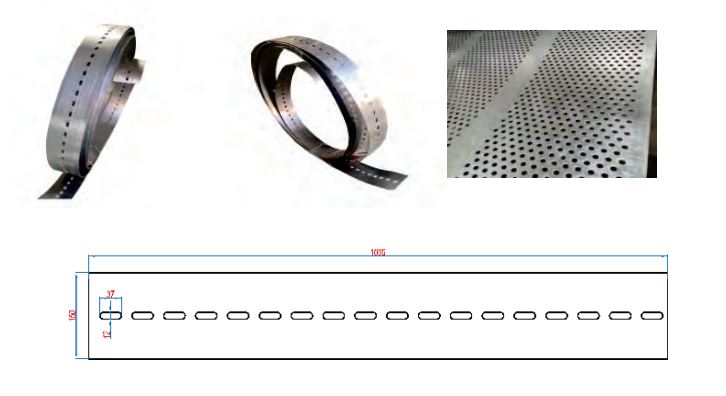
In the realm of metal processing, steel rolling mills play a pivotal role in shaping and transforming raw steel into usable products. These mills are designed to process steel through a series of rollers, applying immense pressure to reduce thickness and alter shape. The process is essential for creating items such as sheets, plates, and beams, which are fundamental in construction and manufacturing sectors.
Steel rolling mills come in various types, including hot rolling and cold rolling mills. Hot rolling is typically performed at temperatures above the recrystallization point of steel, making it easier to manipulate and shape while also improving its mechanical properties. Conversely, cold rolling occurs at room temperature, which results in a smoother finish and tighter tolerances, but requires more force and energy.
The operational efficiency of a steel rolling mill depends significantly on various factors such as material selection, roller design, and the alignment of rollers. Precision in these areas is crucial, as it ensures that the output meets the necessary specifications for strength, durability, and dimensional accuracy. Additionally, advancements in technology have led to the integration of automation and control systems, which enhance the reliability and productivity of these machines.
In the context of metal forming, steel rolling mills offer several advantages. Firstly, they enable the mass production of steel products, thereby reducing lead times and optimizing manufacturing processes. Secondly, the ability to produce different shapes and sizes allows manufacturers to cater to diverse customer needs. Furthermore, steel rolling mills contribute to greater resource efficiency by minimizing waste during production, a critical consideration in today's environmentally conscious marketplace.
Moreover, maintenance plays a vital role in the longevity and performance of steel rolling mills. Regular inspections and timely repairs can prevent breakdowns and costly downtimes. Understanding the wear patterns on rollers and other components will help in scheduling preventative maintenance, ensuring that the mill operates at optimal efficiency.
In summary, steel rolling mills are integral to the metal processing industry, providing vital functions that facilitate the transformation of steel into various forms. By understanding their operation, benefits, and maintenance requirements, manufacturers can maximize productivity and ensure high-quality output. As the industry continues to evolve, staying informed about advancements in steel rolling technology will be essential for maintaining a competitive edge.
Previous Article:

Contact Us
Email:
WhatsApp:
WhatsApp:
Address:
Xing Village, Shibawu, Botou Town, Cangzhou City, Hebei Province



Message Inquiry