A manufacturing enterprise mainly engaged in the design and manufacture of cold bending equipment

Getting Started with Manual Uncoilers: Essential Tips for New Users in Metal Processing
2026-04-26
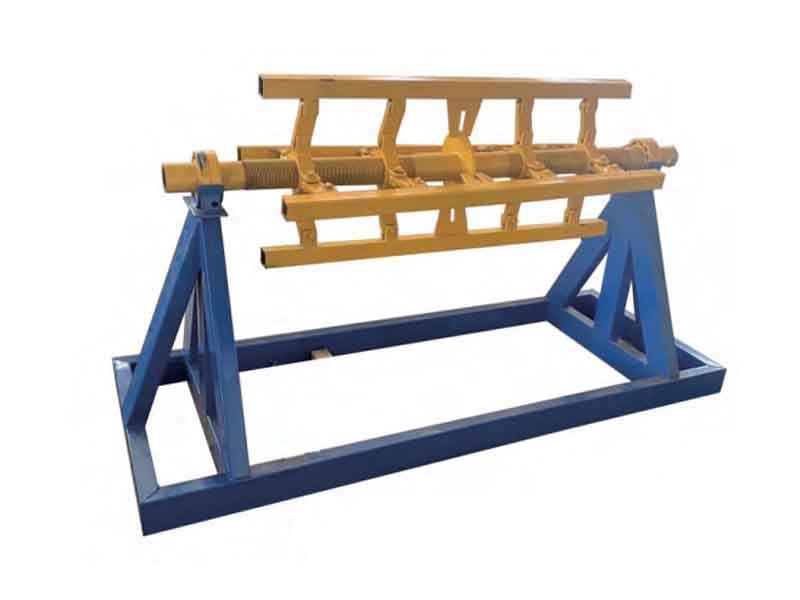
Getting Started with Manual Uncoilers: Essential Tips for New Users in Metal Processing
Table of Contents
- 1. Introduction to Manual Uncoilers
- 2. Understanding the Importance of Uncoilers in Metal Processing
- 3. How Manual Uncoilers Work
- 4. Choosing the Right Manual Uncoiler for Your Needs
- 5. Safety Tips for Using Manual Uncoilers
- 6. Efficient Usage Techniques for New Users
- 7. Maintenance and Care for Longevity
- 8. Troubleshooting Common Issues with Manual Uncoilers
- 9. Conclusion
- 10. FAQs about Manual Uncoilers
1. Introduction to Manual Uncoilers
Manual uncoilers are essential tools within the metal processing industry, designed to facilitate the unwinding of metal coils efficiently. As a new user, understanding how these machines function and their pivotal role can significantly enhance your productivity. This guide provides detailed insights to help you navigate your initial experience with manual uncoilers.
2. Understanding the Importance of Uncoilers in Metal Processing
In metal processing, sourcing materials in coil form is common practice due to ease of transport and storage. Manual uncoilers play a crucial role in taking these coils and preparing them for further processing, such as cutting, bending, or shaping. By effectively managing the material unwind, manual uncoilers help minimize waste and optimize workflow, making them indispensable in manufacturing settings.
3. How Manual Uncoilers Work
At their core, manual uncoilers operate on a straightforward principle. The machine consists of a spindle around which the coil is placed. As the operator manually rotates the spindle, the coil unwinds, allowing for smooth feeding into subsequent processes.
3.1 Key Components of a Manual Uncoiler
Understanding the components of a manual uncoiler provides insight into its operation:
- **Spindle**: The central rotating shaft where the coil is mounted.
- **Support Arms**: Structures that help stabilize the coil during unwinding.
- **Brake Mechanism**: A safety feature that controls the unwinding speed, preventing the coil from spinning out of control.
- **Base**: A sturdy foundation that supports the uncoiler's structure and minimizes vibrations during operation.
4. Choosing the Right Manual Uncoiler for Your Needs
Selecting the appropriate manual uncoiler involves several considerations relevant to your specific metal processing requirements.
4.1 Coil Specifications
When choosing a manual uncoiler, it's essential to assess the specifications of the coils you will be using. Consider their weight, diameter, and material type. Ensure that the uncoiler can accommodate these specifications without compromising safety or efficiency.
4.2 Load Capacity
Manually unwinding heavy coils can be challenging. Therefore, it's crucial to select a model with adequate load capacity to handle your materials safely.
4.3 Adjustability and Features
Look for uncoilers that offer adjustable features. This includes the ability to adjust the height and position of the coil for optimal ergonomic use and ease of operation.
5. Safety Tips for Using Manual Uncoilers
Safety is paramount when working with manual uncoilers. Here are essential tips to ensure a secure working environment:
5.1 Wear Protective Gear
Always wear appropriate personal protective equipment (PPE) such as gloves, safety glasses, and steel-toed boots. This protects against potential injuries caused by sharp edges or heavy coil materials.
5.2 Maintain a Clean Work Area
Keep the area around the manual uncoiler clear of debris and obstacles. A tidy workspace minimizes the risk of accidents and promotes efficient workflow.
5.3 Properly Secure the Coil
Before operating the uncoiler, ensure the coil is securely mounted on the spindle. This prevents unexpected movements during unwinding and enhances operator safety.
6. Efficient Usage Techniques for New Users
Mastering the use of manual uncoilers can significantly streamline your production process. Here are some effective techniques for new users:
6.1 Learn to Control the Unwinding Speed
One of the key skills in operating a manual uncoiler is learning to control the unwinding speed. Start slowly to familiarize yourself with the machine's operation, gradually increasing speed as you gain confidence.
6.2 Optimize Coil Setup
Properly setting up the coil can minimize resistance and facilitate a smoother unwinding process. Ensure that the coil is correctly aligned and free from obstructions.
6.3 Work in Pairs
If possible, work with a partner when handling large or heavy coils. This ensures better control and allows for easier adjustments during the unwinding process.
7. Maintenance and Care for Longevity
Regular maintenance extends the lifespan of your manual uncoiler and ensures optimal performance. Here are some maintenance tips:
7.1 Regular Lubrication
Keep the moving parts of the uncoiler well-lubricated. This reduces friction and wear, ensuring smooth operation.
7.2 Inspect Parts Frequently
Conduct regular inspections of the spindle, brake mechanism, and support arms. Look for signs of wear or damage, and replace any faulty components promptly to avoid breakdowns.
7.3 Clean the Equipment
After each use, clean the uncoiler to remove metal shavings and debris. This prevents rust and maintains the machine's functionality.
8. Troubleshooting Common Issues with Manual Uncoilers
Even experienced users may encounter issues with manual uncoilers. Here are solutions to common problems:
8.1 Coil Slippage
If the coil slips during operation, ensure that the brake mechanism is properly adjusted. Tightening the brake can help maintain control over the unwinding process.
8.2 Uneven Unwinding
Uneven unwinding may occur if the coil is not centered on the spindle. Realign the coil and ensure it is securely mounted before resuming operation.
8.3 Excessive Noise
If the uncoiler produces excessive noise, check for any debris lodged within the machine. Cleaning the components can often resolve this issue.
9. Conclusion
Getting started with manual uncoilers can feel daunting for new users in the metal processing industry. However, by understanding the importance of these machines, learning efficient usage techniques, and adhering to safety practices, you can significantly improve your workflow. Regular maintenance and troubleshooting strategies will ensure that your manual uncoiler remains a reliable asset in your production process. Embrace these tips, and you will be well on your way to mastering the operation of manual uncoilers.
10. FAQs about Manual Uncoilers
1. What materials can be processed using manual uncoilers?
Manual uncoilers are suitable for various materials, including steel, aluminum, and copper coils.
2. How do I know if my manual uncoiler needs maintenance?
Signs that your uncoiler may need maintenance include unusual noises, difficulty controlling the unwinding speed, or visible wear on components.
3. Can I use a manual uncoiler for large coils?
Yes, but it’s essential to ensure that the uncoiler's load capacity is adequate for the size and weight of the coils you intend to use.
4. Is it safe to operate a manual uncoiler alone?
While it is possible, it is generally safer to operate with a partner, especially when handling heavy or large coils.
5. What should I do if my uncoiler stops working?
If the uncoiler stops functioning, check for power issues, inspect for any mechanical obstructions, and refer to the user manual for troubleshooting steps.

Contact Us
Email:
WhatsApp:
WhatsApp:
Address:
Xing Village, Shibawu, Botou Town, Cangzhou City, Hebei Province



Message Inquiry