A manufacturing enterprise mainly engaged in the design and manufacture of cold bending equipment

The Role of Technology in Advancing Wall Panel Forming Machines: Innovations and Future Trends
2026-03-27
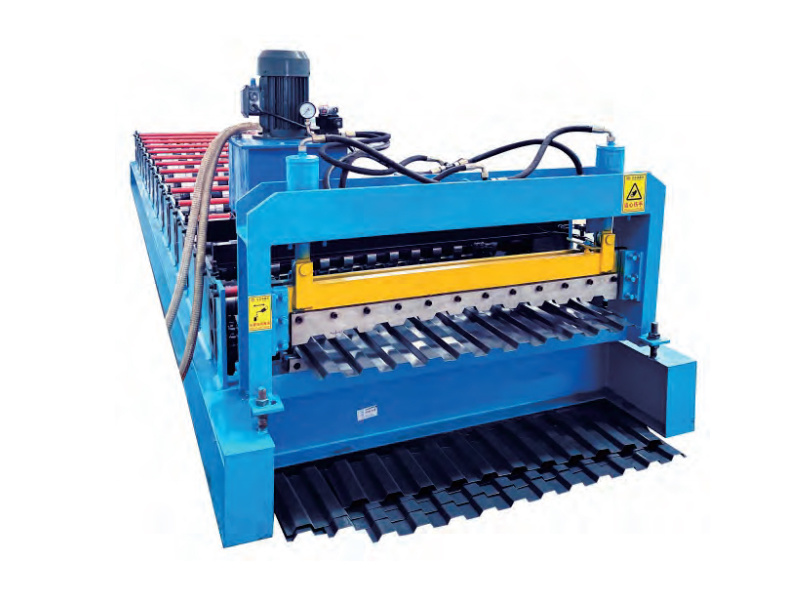
The Role of Technology in Advancing Wall Panel Forming Machines
The landscape of manufacturing has been fundamentally transformed by technology, with the wall panel forming machine sector experiencing significant advancements. These innovations not only streamline production processes but also improve the quality and efficiency of wall panel manufacturing. In this article, we delve deep into the technological advancements that are shaping wall panel forming machines, highlighting their implications for the future of the industry.
Table of Contents
- 1. Introduction to Wall Panel Forming Machines
- 2. Key Technological Advancements in Wall Panel Forming Machines
- 3. Automation and Its Impact on Manufacturing Efficiency
- 4. The Role of AI and Machine Learning
- 5. Smart Manufacturing and IoT Integration
- 6. Sustainability in Wall Panel Production
- 7. Future Trends in Wall Panel Forming Technology
- 8. Case Studies: Successful Implementations
- 9. Frequently Asked Questions
- 10. Conclusion
1. Introduction to Wall Panel Forming Machines
Wall panel forming machines are essential components in the construction and manufacturing sectors, producing prefabricated wall panels that are both structurally sound and aesthetically pleasing. These machines utilize advanced manufacturing techniques to create panels from various materials, including metal, concrete, and composite materials. With the rise of modern construction practices, the demand for efficient and reliable wall panel forming machines has surged. This article explores how technology has played a pivotal role in advancing these machines, enhancing their capabilities and efficiency.
2. Key Technological Advancements in Wall Panel Forming Machines
The advancement of technology has led to several noteworthy innovations in wall panel forming machines. These advancements facilitate better design flexibility, increased production speed, and improved product quality. Below, we discuss some of the key technological developments:
2.1 CNC Technology
Computer Numerical Control (CNC) technology has revolutionized wall panel forming machines by enabling precise control over machining processes. CNC systems allow for complex designs to be executed with high accuracy and repeatability, reducing waste and increasing efficiency.
2.2 3D Printing Capabilities
The integration of 3D printing technology into wall panel manufacturing allows for rapid prototyping and the creation of intricate designs that were previously unachievable. This approach not only speeds up the manufacturing process but also reduces material costs.
2.3 Advanced Material Handling Systems
Modern wall panel forming machines are equipped with sophisticated material handling systems that automate the movement and positioning of raw materials. These systems minimize manual labor, reduce the risk of injury, and streamline production workflows.
2.4 Enhanced Software Solutions
Software solutions that employ advanced algorithms for design optimization and production scheduling have become integral to wall panel forming machines. These tools enhance decision-making processes and help manufacturers achieve higher levels of productivity.
3. Automation and Its Impact on Manufacturing Efficiency
Automation is at the forefront of the evolution of wall panel forming machines. By automating repetitive tasks, manufacturers can significantly enhance productivity and minimize human error. The integration of robotics in the manufacturing process allows for:
3.1 Increased Production Rates
Automated systems can operate continuously, leading to increased production rates compared to manual processes. This capability is especially beneficial during peak demand periods, allowing manufacturers to meet customer needs efficiently.
3.2 Improved Quality Control
Automation facilitates consistent quality control by employing sensors and monitoring systems that ensure each panel meets predetermined standards. This level of precision not only enhances product quality but also reduces scrap rates and production costs.
3.3 Enhanced Worker Safety
By automating hazardous tasks, employers can safeguard their workers from potential injuries. Robots handle heavy lifting and dangerous operations, allowing human operators to focus on supervision and other less hazardous responsibilities.
4. The Role of AI and Machine Learning
Artificial Intelligence (AI) and Machine Learning (ML) technologies are making significant inroads in wall panel manufacturing. These technologies enable machines to learn from data, leading to continuous improvements and smarter production processes.
4.1 Predictive Maintenance
AI-powered predictive maintenance systems analyze machine data to predict when components are likely to fail. This proactive approach allows manufacturers to perform maintenance before breakdowns occur, minimizing downtime and repair costs.
4.2 Optimization of Production Processes
Machine learning algorithms can analyze production data to identify inefficiencies and suggest process improvements. By optimizing workflows, manufacturers can reduce cycle times and enhance overall productivity.
4.3 Customization and Personalization
AI enables manufacturers to offer customized wall panel solutions tailored to specific client needs. This capability enhances customer satisfaction and allows businesses to distinguish themselves in a competitive market.
5. Smart Manufacturing and IoT Integration
Smart manufacturing leverages the Internet of Things (IoT) to facilitate real-time communication between machines, systems, and people. The integration of IoT in wall panel forming machines offers several advantages:
5.1 Real-Time Data Monitoring
IoT sensors installed in wall panel forming machines provide real-time monitoring of production processes. This data enables manufacturers to make informed decisions quickly, optimizing operations and reducing waste.
5.2 Enhanced Supply Chain Management
The connectivity afforded by IoT enhances supply chain management by enabling better tracking of materials and inventory levels. This visibility ensures that production runs smoothly without unnecessary delays.
5.3 Remote Operations Management
Manufacturers can manage operations remotely through IoT-enabled devices, allowing them to monitor performance and troubleshoot issues from anywhere in the world. This flexibility is particularly advantageous in today's globalized economy.
6. Sustainability in Wall Panel Production
As environmental concerns become increasingly pressing, sustainability has emerged as a critical focus in wall panel production. Technological advancements play a pivotal role in promoting sustainable practices:
6.1 Energy-Efficient Machines
Modern wall panel forming machines are designed to consume less energy, contributing to reduced carbon emissions. These energy-efficient machines not only lower operating costs but also align with corporate sustainability goals.
6.2 Recycling of Materials
Advanced forming technologies facilitate the use of recycled materials without compromising quality. This practice promotes a circular economy by minimizing waste and reducing the need for virgin materials.
6.3 Eco-Friendly Production Methods
Manufacturers are increasingly adopting eco-friendly production methods, such as using water-based adhesives and low-VOC coatings, to minimize their environmental impact. These innovations contribute to healthier working conditions and reduce pollution.
7. Future Trends in Wall Panel Forming Technology
The future of wall panel forming technology is poised for further advancements, driven by continuous innovation. Some anticipated trends include:
7.1 Increased Use of Robotics
As robotics technology advances, more wall panel forming machines will incorporate robotic arms for tasks such as assembly and quality inspection. This trend will further enhance efficiency and precision in the manufacturing process.
7.2 Advanced Predictive Analytics
With the growing availability of data, predictive analytics will become increasingly sophisticated, enabling manufacturers to optimize operations and improve decision-making based on comprehensive data analysis.
7.3 Continued Focus on Automation
Automation will remain a key trend as manufacturers seek to streamline processes and reduce labor costs. The integration of advanced automation technologies will lead to even greater efficiency and production flexibility.
8. Case Studies: Successful Implementations
Several companies have successfully implemented advanced technologies in their wall panel forming processes, showcasing the benefits of modernization:
8.1 Case Study: Company A
Company A integrated AI-driven predictive maintenance solutions into their operations, resulting in a 30% reduction in downtime. This allowed them to increase production capacity and improve overall efficiency.
8.2 Case Study: Company B
Company B adopted smart manufacturing principles by implementing IoT devices in their machines. This integration provided real-time monitoring capabilities, which led to a 25% decrease in material waste over one year.
8.3 Case Study: Company C
Company C focused on sustainability by transitioning to energy-efficient machines and using recycled materials. This shift not only reduced their environmental footprint but also attracted eco-conscious clients, boosting sales.
9. Frequently Asked Questions
9.1 What are wall panel forming machines?
Wall panel forming machines are specialized equipment used in the production of prefabricated wall panels for construction and manufacturing purposes.
9.2 How has technology impacted wall panel manufacturing?
Technology has improved production efficiency, quality control, and customization in wall panel manufacturing, making processes faster and more cost-effective.
9.3 What role does automation play in wall panel forming?
Automation increases production rates, enhances quality control, and improves worker safety by minimizing manual labor and automating repetitive tasks.
9.4 Can AI be used in wall panel forming machines?
Yes, AI can optimize production processes, predict maintenance needs, and facilitate customized production solutions in wall panel forming machines.
9.5 What are the future trends for wall panel forming technology?
Future trends include increased use of robotics, advanced predictive analytics, and continued focus on automation and sustainability in wall panel production.
10. Conclusion
The role of technology in advancing wall panel forming machines cannot be overstated. From automation and AI to IoT integration and sustainable practices, each technological innovation contributes to improved efficiency, quality, and environmental responsibility in the manufacturing process. As we look ahead, staying abreast of these advancements will be crucial for industry professionals aiming to remain competitive in a rapidly evolving market. Embracing these technologies not only enhances production capabilities but also positions manufacturers as leaders in the quest for sustainability and innovation in the construction industry.
Previous Article:

Contact Us
Email:
WhatsApp:
WhatsApp:
Address:
Xing Village, Shibawu, Botou Town, Cangzhou City, Hebei Province



Message Inquiry