A manufacturing enterprise mainly engaged in the design and manufacture of cold bending equipment

The Essential Guide to Cold Bending Machines in Metal Fabrication
2026-03-22
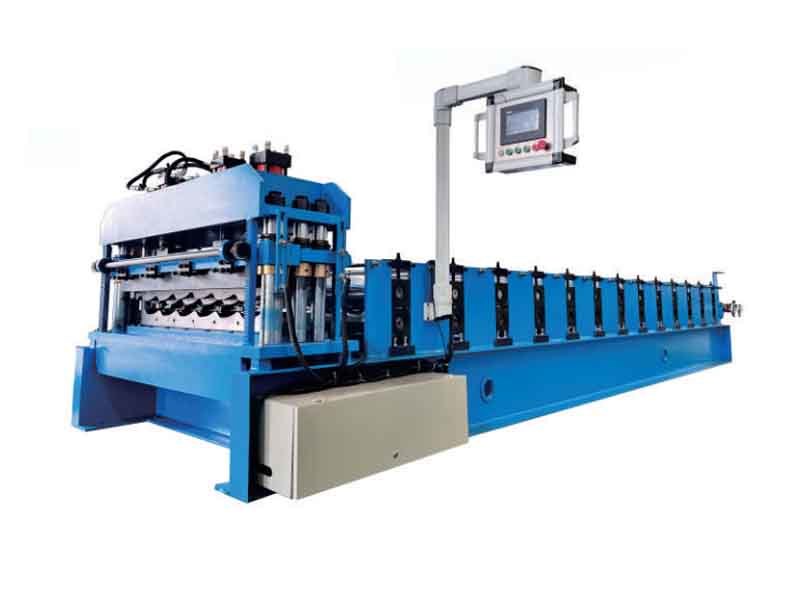
In the realm of metal processing machinery, cold bending machines stand out as vital equipment for efficiently shaping and forming metal components. These machines utilize a deformation process that takes place at room temperature, allowing for precise bends without compromising the integrity of the material. Understanding the intricacies of cold bending machines is crucial for professionals in the manufacturing and metalworking sectors.
Cold bending machines operate through the application of force to metal sheets or profiles, enabling them to be bent into desired shapes. The process generally involves the use of rollers or dies that guide the material through a series of bending stations. One of the primary advantages of cold bending is the reduced risk of material fatigue and distortion. Since the process occurs without the introduction of heat, the mechanical properties of the metal remain largely unchanged, leading to stronger and more reliable products.
Moreover, cold bending machines are designed for versatility, accommodating a wide range of materials, including steel, aluminum, and other alloys. This flexibility is invaluable in industries such as construction, automotive, and aerospace, where custom metal components are often required. Additionally, the ability to produce intricate bends and complex shapes makes cold bending machines indispensable for fabricators seeking to meet specific design specifications.
Efficiency is another significant benefit of utilizing cold bending machines. These machines can achieve high production rates, making them suitable for both small-scale and large-scale manufacturing operations. The automated features of modern cold bending machines further enhance productivity, allowing operators to execute multiple bending processes with minimal manual intervention. This not only saves time but also minimizes the risk of human error, ensuring consistent quality in the final products.
The application of cold bending technology is broad, ranging from the fabrication of structural components to the production of decorative metalwork. Industries that require precision-engineered parts, such as HVAC systems, furniture manufacturing, and even art installations, have embraced cold bending machines for their reliability and efficiency.
In conclusion, cold bending machines play a pivotal role in the metal processing industry. Their capacity to perform precise bends without altering the material's properties, combined with their versatility and efficiency, makes them an essential tool for manufacturers. As the demand for high-quality metal components continues to rise, understanding the capabilities and advantages of cold bending machines will empower professionals to optimize their production processes and achieve superior results.
Previous Article:

Contact Us
Email:
WhatsApp:
WhatsApp:
Address:
Xing Village, Shibawu, Botou Town, Cangzhou City, Hebei Province



Message Inquiry