A manufacturing enterprise mainly engaged in the design and manufacture of cold bending equipment

Mastering the Art of Cold Bending Machines: A Comprehensive Guide for Metal Fabrication Professionals
2026-01-16
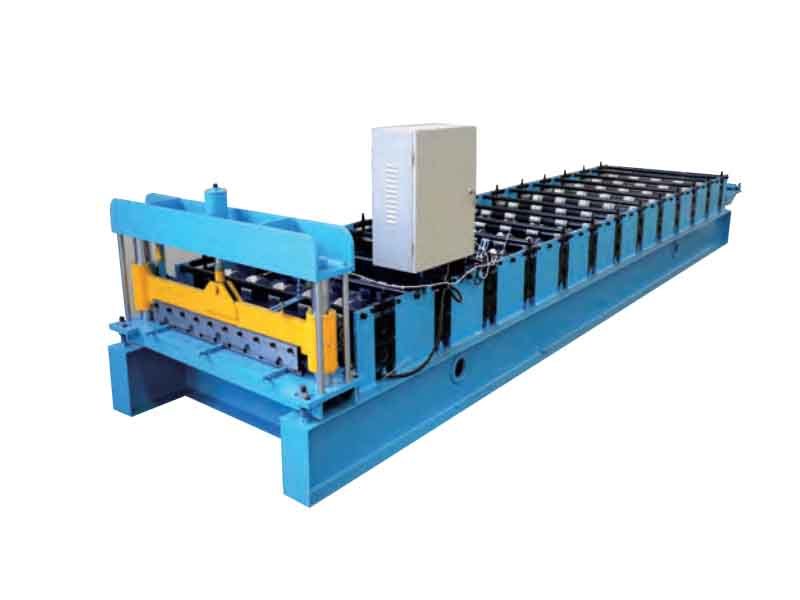
Cold bending machines are vital tools in the metal processing industry, primarily used for shaping and forming metal materials without the application of heat. This technique, known as cold bending, results in the deformation of metal at room temperature, making it an advantageous method for various applications. Understanding the operational principles, advantages, and maintenance requirements of cold bending machines can significantly enhance the production capabilities of any metal fabrication business.
One of the primary benefits of using cold bending machines lies in their ability to maintain the mechanical properties of the metal being processed. Unlike hot bending, which can alter the microstructure of metals and potentially weaken them, cold bending retains the strength and integrity of the material. This is particularly important for industries that require precision and reliability in their metal components, such as automotive, aerospace, and construction.
Cold bending machines are versatile and can be employed to work with a variety of materials, including steel, aluminum, and brass. These machines can produce complex shapes and designs with high levels of accuracy, making them an ideal choice for custom fabrication projects. Additionally, cold bending processes typically result in smoother finishes and tighter tolerances, reducing the need for extensive secondary machining operations.
In terms of operation, cold bending machines vary widely in design and functionality. Some machines utilize a series of rollers to gradually shape the metal, while others may employ hydraulic or mechanical presses for more forceful bending. Professionals must assess their specific needs and production volumes to choose the appropriate machinery that aligns with their operational goals.
Moreover, maintenance is crucial for ensuring the longevity and efficiency of cold bending machines. Regular inspection of critical components, such as rollers and hydraulic systems, is necessary to prevent downtime and maintain optimal performance. Establishing a routine maintenance schedule and training operators in best practices can significantly reduce operational costs and enhance productivity.
In conclusion, cold bending machines represent a key technology in the metal fabrication industry, providing manufacturers with the capacity to produce high-quality components efficiently. By understanding the operational aspects, benefits, and maintenance of these machines, professionals can leverage cold bending technology to improve their production processes and meet the evolving demands of the market.

Contact Us
Email:
WhatsApp:
WhatsApp:
Address:
Xing Village, Shibawu, Botou Town, Cangzhou City, Hebei Province



Message Inquiry