A manufacturing enterprise mainly engaged in the design and manufacture of cold bending equipment

Exploring the Versatility of Wall Panel Forming Machines in Various Industries
2026-01-19
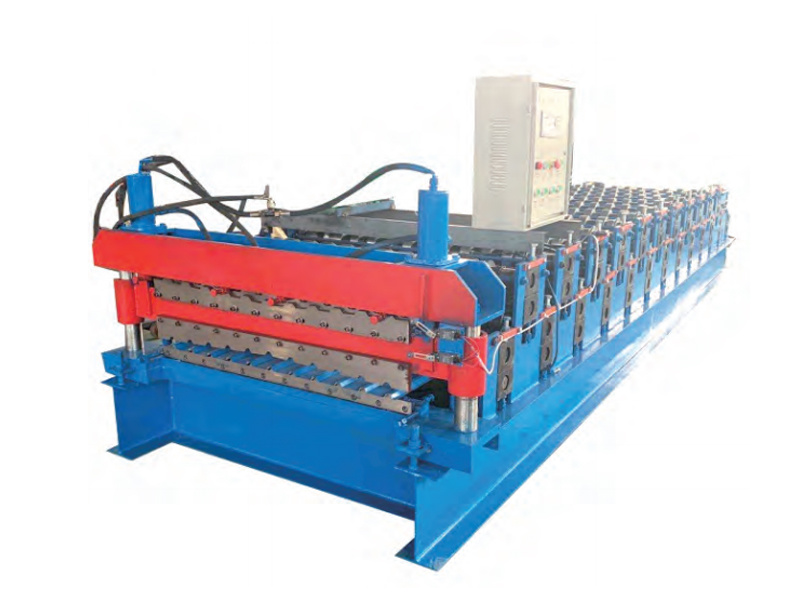
Exploring the Versatility of Wall Panel Forming Machines in Various Industries
Table of Contents
- Introduction to Wall Panel Forming Machines
- How Wall Panel Forming Machines Work
- Applications of Wall Panel Forming Machines in Various Industries
- Benefits of Using Wall Panel Forming Machines
- Choosing the Right Wall Panel Forming Machine
- Maintenance and Care of Wall Panel Forming Machines
- Future Trends in Wall Panel Forming Technology
- FAQs about Wall Panel Forming Machines
- Conclusion
Introduction to Wall Panel Forming Machines
Wall panel forming machines are indispensable tools in the manufacturing sector, particularly in the creation of structured wall panels from various materials, including metals and composites. These machines automate the process of shaping and sizing wall panels, significantly enhancing production efficiency and reducing labor costs. In this article, we will delve into their functionality, diverse applications, and the numerous benefits they offer across different industries.
How Wall Panel Forming Machines Work
The operation of wall panel forming machines typically involves several key processes: feeding raw material, forming, cutting, and stacking. The machines use advanced technologies such as hydraulic systems, servo motors, and computer numerical control (CNC) to ensure precision and consistency in panel production.
**The production process begins with raw material being fed into the machine.** This material is usually in the form of metal sheets or composite boards. The machine then uses rollers to shape the material into the desired profile. A cutting mechanism is employed to achieve the specified lengths and dimensions for the panels, ensuring they fit seamlessly into building frameworks or other applications.
**Automation plays a critical role** in improving production speed and reducing human error. Modern wall panel forming machines can be programmed to produce panels of various sizes and shapes, making them highly versatile for different projects.
Applications of Wall Panel Forming Machines in Various Industries
Construction Industry
In the construction industry, wall panel forming machines are pivotal in producing pre-fabricated wall panels for buildings. These panels can include insulation, wiring, and even windows, allowing for rapid assembly on-site. The use of pre-fabricated panels can significantly reduce construction time and labor costs while improving overall building quality.
Automotive Industry
The automotive industry also benefits from wall panel forming machines, particularly in the manufacturing of vehicle body panels. These machines produce lightweight yet robust panels that contribute to overall vehicle performance and fuel efficiency. The precise shaping and cutting capabilities enable manufacturers to create complex designs that meet stringent safety and aesthetic standards.
Aerospace Industry
In the aerospace sector, wall panel forming machines are used to fabricate components that require high precision and strength-to-weight ratios. The ability to produce metal panels that conform to rigorous industry specifications makes these machines essential for creating aircraft fuselages and wings.
Furniture Manufacturing
The furniture industry has also seen the integration of wall panel forming machines in producing decorative panels and components. From intricate designs to functional structures, these machines allow manufacturers to explore creative possibilities and efficiently produce high-quality products that meet consumer demands.
Benefits of Using Wall Panel Forming Machines
The adoption of wall panel forming machines offers numerous advantages for manufacturers across various sectors:
1. **Increased Productivity**: Automating the panel forming process significantly boosts production rates.
2. **Cost Efficiency**: Reducing labor costs and minimizing waste contributes to overall savings.
3. **Design Flexibility**: The ability to create various shapes and sizes caters to diverse project requirements.
4. **High Precision**: Advanced technologies ensure that panels are consistently produced to exact specifications.
5. **Sustainability**: Efficient use of materials and energy contributes to environmentally friendly manufacturing practices.
Choosing the Right Wall Panel Forming Machine
Selecting the appropriate wall panel forming machine involves several considerations:
- **Production Needs**: Assess the volume and types of panels required for your projects.
- **Material Compatibility**: Ensure the machine can handle the specific materials you intend to use.
- **Technology Features**: Look for machines with advanced technology such as CNC capabilities for enhanced precision.
- **Budget**: Balance your budget with the features and capabilities you require.
Consulting with manufacturers and industry experts can also provide valuable insights into making the right choice.
Maintenance and Care of Wall Panel Forming Machines
Proper maintenance is crucial to ensure the longevity and efficiency of wall panel forming machines. Regular inspections, lubrication of moving parts, and timely replacement of worn components are essential practices. Implementing a maintenance schedule can prevent unexpected breakdowns and keep production running smoothly.
**Training operators** on the correct usage and troubleshooting techniques further enhances the performance and safety of these machines.
Future Trends in Wall Panel Forming Technology
As technology continues to evolve, wall panel forming machines are likely to incorporate even more advanced features. Trends to watch include:
- **Smart Automation**: Integration of artificial intelligence for predictive maintenance and operational efficiency.
- **3D Printing Integration**: Combining traditional forming with 3D printing technologies to create complex designs.
- **Sustainable Manufacturing**: Development of machines that utilize eco-friendly materials and processes.
Staying abreast of these trends will help manufacturers leverage new technologies to enhance their production capabilities.
FAQs about Wall Panel Forming Machines
1. What materials can be used with wall panel forming machines?
Wall panel forming machines can work with various materials, including metals (like steel and aluminum), composites, and plastics.
2. How much does a wall panel forming machine cost?
The cost varies widely based on the machine's capabilities, size, and technology. Basic models may start from a few thousand dollars, while advanced machines can exceed hundreds of thousands.
3. What maintenance is required for these machines?
Regular maintenance includes lubrication, inspections of electrical and hydraulic systems, and replacement of worn parts to ensure optimal performance.
4. Can wall panel forming machines be customized for specific applications?
Yes, many manufacturers offer customization options to adapt machines for specific production needs and panel designs.
5. How can I ensure the quality of the panels produced?
Implementing strict quality control measures during production, including regular inspections and testing, can help maintain high standards for the finished panels.
Conclusion
Wall panel forming machines play a pivotal role in modern manufacturing across various industries. Their versatility and efficiency contribute to enhanced productivity, cost savings, and innovative design possibilities. By understanding how these machines operate, their applications, and the benefits they offer, manufacturers can make informed decisions that elevate their production processes. Investing in the right technology not only ensures a competitive edge but also paves the way for sustainable manufacturing practices in the future.
Previous Article:

Contact Us
Email:
WhatsApp:
WhatsApp:
Address:
Xing Village, Shibawu, Botou Town, Cangzhou City, Hebei Province



Message Inquiry