A manufacturing enterprise mainly engaged in the design and manufacture of cold bending equipment

A Comprehensive Guide to Selecting the Ideal Manual Uncoiler for Your Metal Processing Requirements
2026-01-07
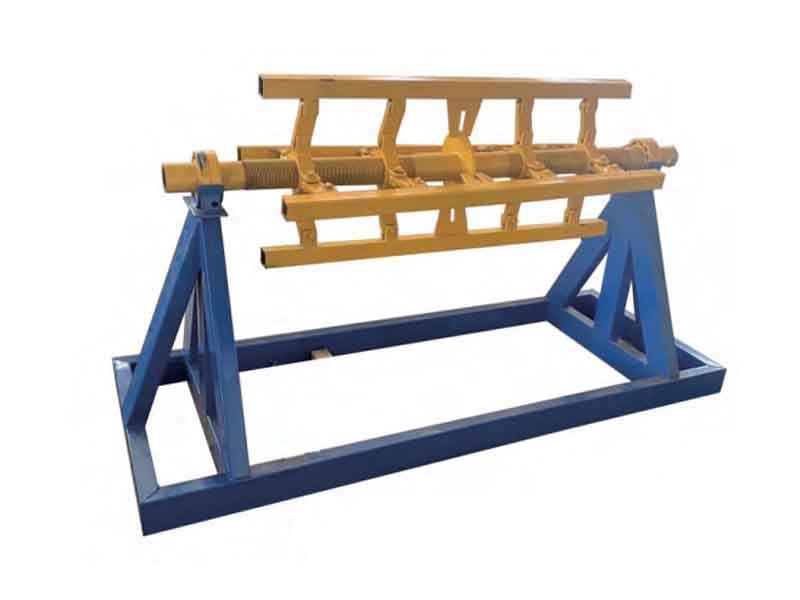
A Comprehensive Guide to Selecting the Ideal Manual Uncoiler for Your Metal Processing Requirements
Table of Contents
- Introduction to Manual Uncoilers
- Understanding Manual Uncoilers: What You Need to Know
- Types of Manual Uncoilers: Which One is Right for You?
- Key Features to Consider When Choosing Your Manual Uncoiler
- Sizing and Capacity: Ensuring Compatibility with Your Operation
- Enhancing Operational Efficiency: The Role of Manual Uncoilers
- Maintenance and Durability: Long-term Considerations for Your Investment
- Cost-Effectiveness: Investing in Value for Your Metal Processing
- Conclusion: Making the Best Choice for Your Needs
- Frequently Asked Questions (FAQs)
Introduction to Manual Uncoilers
In the realm of metal processing, the **manual uncoiler** plays a crucial role in facilitating efficient production workflows. These devices are designed to uncoil heavy metal rolls, enabling smooth feeding into other machinery for various applications, such as cutting, bending, or shaping. This guide aims to provide a thorough understanding of manual uncoilers, equipping you with the knowledge necessary to choose the right equipment for your specific operational needs.
Understanding Manual Uncoilers: What You Need to Know
Manual uncoilers are mechanical devices that allow operators to handle coils of metal material effectively. By providing a stable and controlled method of unwinding the metal, these tools significantly reduce the risk of damage or safety hazards associated with heavy rolls.
When considering a manual uncoiler, it's vital to appreciate their design and functionality. They typically consist of a base, a spindle, and a mechanism to secure the coil. Depending on the application, uncoilers can vary in height, width, and load capacity.
Benefits of Manual Uncoilers
- **Versatility:** Manual uncoilers can handle a variety of materials including steel, aluminum, and copper, making them ideal for diverse manufacturing environments.
- **Cost-Effectiveness:** Compared to automated alternatives, manual uncoilers are often more budget-friendly while still delivering reliable performance.
- **Simplicity of Use:** These devices require minimal training, allowing operators to quickly adapt and integrate them into existing workflows.
Types of Manual Uncoilers: Which One is Right for You?
Understanding the different types of manual uncoilers available in the market is essential for making an informed decision. Here are the main types to consider:
1. Standard Manual Uncoilers
Designed for general use, these uncoilers are suitable for various applications and can accommodate a broad range of coil sizes. They are often adjustable, allowing for customizations based on specific needs.
2. Heavy-Duty Manual Uncoilers
For industries dealing with particularly heavy and large coils, heavy-duty manual uncoilers offer the strength and stability required to manage significant loads. These models are built with robust materials to withstand rigorous use.
3. Portable Manual Uncoilers
Ideal for smaller operations or job sites, portable manual uncoilers can be easily moved and set up where needed. Despite their compact size, they maintain functionality and efficiency.
4. Custom Manual Uncoilers
For unique requirements, custom manual uncoilers can be designed to meet specific operational needs. This option allows for specialized features that standard models may not provide.
Key Features to Consider When Choosing Your Manual Uncoiler
When selecting a manual uncoiler, several critical features should be evaluated:
1. Load Capacity
Understanding the weight of the coils you plan to use is essential for selecting an uncoiler with the proper load capacity. Ensure that the uncoiler can safely handle the maximum weight of your materials.
2. Coil Width
The width of the coils should align with the uncoiler specifications. Measure the diameter and width of your coils to ensure a proper fit.
3. Material Construction
Consider the materials used in the construction of the uncoiler. Steel and aluminum are common choices, but the choice should reflect your operational demands and expected longevity.
4. Adjustment Mechanisms
Look for uncoilers with easy-to-use adjustment mechanisms that allow for quick changes to accommodate different coil sizes.
5. Safety Features
Safety should always be a priority. Look for uncoilers equipped with features such as brakes, safety guards, and stability enhancements to ensure a secure operation.
Sizing and Capacity: Ensuring Compatibility with Your Operation
Proper sizing is crucial when selecting a manual uncoiler. The uncoiler must not only accommodate the size of your coils but also fit within your operational layout.
1. Space Constraints
Evaluate the space available in your production area. Ensure that the uncoiler can be positioned for optimal accessibility and efficiency.
2. Coil Specifications
Every coil comes with its specifications. Ensure that the uncoiler can handle the diameter, width, and weight of the coils you will be using.
Enhancing Operational Efficiency: The Role of Manual Uncoilers
Implementing the right manual uncoiler can significantly enhance your operational efficiency. By reducing downtime and minimizing the risk of damage to materials, these devices streamline the production process.
1. Workflow Integration
Integrate the manual uncoiler seamlessly into your existing workflow. This may involve repositioning other machinery or adjusting operational processes to maximize efficiency.
2. Training and Familiarization
Invest time in training operators on the use of the manual uncoiler. A well-trained team can operate the equipment more efficiently, leading to improved productivity.
Maintenance and Durability: Long-term Considerations for Your Investment
Investing in a manual uncoiler is not just about the initial purchase; it’s also about ensuring long-term durability and performance.
1. Routine Maintenance
Establish a regular maintenance schedule to keep the uncoiler in optimal condition. This includes checking for wear and tear, lubricating moving parts, and ensuring all safety features are functional.
2. Warranty and Support
Examine the warranty and support options available with your uncoiler purchase. A strong warranty can provide peace of mind, while responsive customer support can assist with any issues that arise.
Cost-Effectiveness: Investing in Value for Your Metal Processing
Determining the cost-effectiveness of a manual uncoiler involves evaluating both the upfront costs and the potential return on investment.
1. Initial Investment
Consider the initial purchase price along with any additional costs for installation, training, and any modifications needed for your facility.
2. Long-Term Savings
Calculate the potential long-term savings associated with increased efficiency, reduced material waste, and lower labor costs that come from using a high-quality manual uncoiler.
Conclusion: Making the Best Choice for Your Needs
Selecting the right manual uncoiler is a significant decision that can greatly impact your metal processing operations. By carefully evaluating the types, features, and specifications of manual uncoilers, you can ensure a choice that aligns with your operational needs and budget. Prioritize safety, efficiency, and durability to maximize the benefits of your investment. Remember, a well-chosen manual uncoiler will not only enhance productivity but also contribute to the overall success of your manufacturing process.
Frequently Asked Questions (FAQs)
1. What is a manual uncoiler?
A manual uncoiler is a mechanical device used to unwind coils of metal material, facilitating their use in various manufacturing processes.
2. How do I determine the right size of manual uncoiler for my needs?
Evaluate the specifications of your coils, including weight and dimensions, and choose an uncoiler that can accommodate these factors comfortably.
3. Are manual uncoilers easy to operate?
Yes, manual uncoilers are designed for ease of use, often requiring minimal training for operators.
4. What maintenance does a manual uncoiler require?
Regular maintenance includes checking for wear, lubricating moving parts, and ensuring safety features are functioning properly.
5. Can I customize my manual uncoiler?
Yes, many manufacturers offer customization options to tailor uncoilers to specific operational needs, ensuring optimal performance for unique applications.
Previous Article:

Contact Us
Email:
WhatsApp:
WhatsApp:
Address:
Xing Village, Shibawu, Botou Town, Cangzhou City, Hebei Province



Message Inquiry