A manufacturing enterprise mainly engaged in the design and manufacture of cold bending equipment

Slitting Lines 101: Understanding Their Impact on Metal Processing
2026-01-01
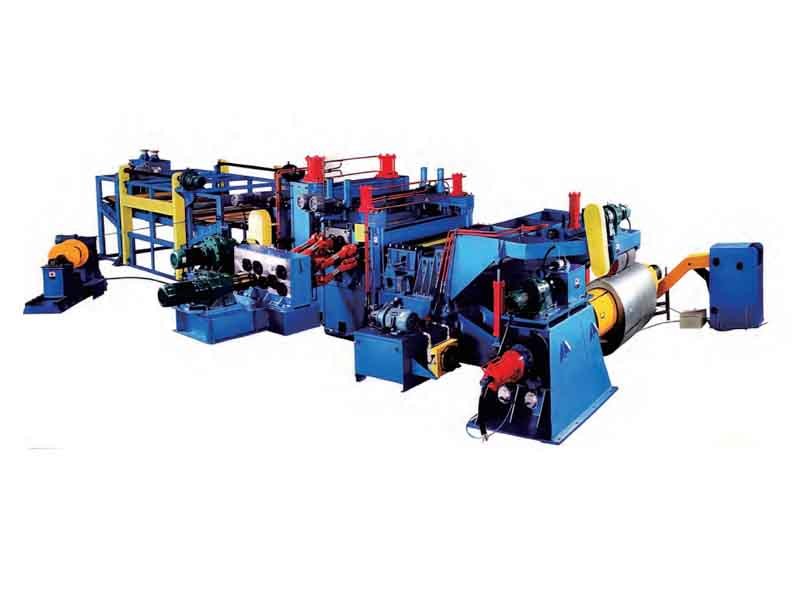
Slitting Lines 101: Understanding Their Impact on Metal Processing
Table of Contents
- 1. Introduction to Slitting Lines
- 2. What Are Slitting Lines?
- 3. Key Components of Slitting Lines
- 4. How Slitting Lines Work
- 5. Advantages of Using Slitting Lines in Metal Processing
- 6. Applications of Slitting Lines in the Industry
- 7. Maintenance and Care for Slitting Lines
- 8. The Future of Slitting Lines in Metal Processing
- 9. Frequently Asked Questions
- 10. Conclusion
1. Introduction to Slitting Lines
In the rapidly advancing world of metal processing, **slitting lines** play a crucial role in shaping and cutting metal strips into precise widths. These specialized machines are vital for manufacturers looking to optimize production efficiency while maintaining accuracy. With slitting lines, companies can transform wide coils of metal into narrower strips, which can then be utilized in various applications across multiple industries. This article aims to provide an exhaustive understanding of slitting lines, their components, operational mechanics, and their significance in modern metal processing.
2. What Are Slitting Lines?
**Slitting lines** are sophisticated systems used in the metal processing industry to cut large rolls of metal sheets into thinner, more manageable strips. These machines can handle various materials, including steel, aluminum, and copper, making them indispensable in diverse manufacturing sectors. A slitting line typically includes several key components, including:
- Uncoiler
- Slitting heads
- Recoiler
- Tension systems
- Control systems
By carefully managing the cutting process, slitting lines ensure that the resulting strips meet the necessary specifications for thickness, width, and surface quality.
3. Key Components of Slitting Lines
To fully appreciate the functionality of slitting lines, it’s essential to understand their core components:
3.1 Uncoiler
The uncoiler is responsible for feeding the large metal coil into the slitting line. It unwinds the coil, allowing for seamless movement into the slitting process.
3.2 Slitting Heads
These are the heart of the slitting line, where the actual cutting occurs. Slitting heads contain various blades that slice through the metal strip, creating the desired widths.
3.3 Recoiler
After the metal strips have been cut, the recoiler gathers the finished strips into coils. This component ensures that the strips are neatly wound and ready for packaging or further processing.
3.4 Tension Systems
Maintaining the proper tension throughout the slitting process is vital. Tension systems help regulate the stress on the metal strip, preventing deformation or damage during cutting.
3.5 Control Systems
Modern slitting lines are equipped with advanced control systems that allow operators to monitor and adjust settings in real-time. This ensures precision and consistency across production runs.
4. How Slitting Lines Work
The operation of slitting lines involves several steps that ensure efficiency and accuracy:
4.1 Feeding the Coil
The process begins with the uncoiler, which feeds the metal coil into the slitting line. The coil must be securely positioned to prevent slippage.
4.2 Slitting Process
Once the coil is fed in, the slitting heads engage. The machine's blades slice through the metal, cutting it into predefined widths. The precision of this step is critical; any deviation can lead to wasted material and increased costs.
4.3 Recoiling the Finished Strips
After the strips are cut, they are transferred to the recoiler. This component winds the finished strips into coils, making them easy to handle and transport.
4.4 Quality Control
Throughout the entire process, quality control measures are in place to ensure that the output meets industry standards. This can involve checking thickness, width, and surface quality.
5. Advantages of Using Slitting Lines in Metal Processing
Using slitting lines in metal processing offers several **significant advantages**:
5.1 Increased Efficiency
Slitting lines allow for high-speed operation, transforming large coils into narrower strips quickly. This efficiency can greatly enhance production rates.
5.2 Consistency and Precision
With advanced technology, slitting lines deliver consistent results. Operators can expect uniformity in width and thickness, which is essential for meeting customer specifications.
5.3 Reduced Material Waste
By optimizing the cutting process, slitting lines minimize material waste. This not only lowers production costs but also contributes to more sustainable manufacturing practices.
5.4 Versatility
Slitting lines are adaptable and can process various metal types and thicknesses, making them suitable for different applications in the manufacturing sector.
6. Applications of Slitting Lines in the Industry
Slitting lines find applications across numerous industries, each benefiting from the precision and efficiency these machines provide:
6.1 Automotive Industry
In the automotive sector, slitting lines are used to produce components such as body panels and structural parts. Precise metal strips are essential for creating parts that fit together seamlessly.
6.2 Construction
From roofing materials to structural elements, slitting lines help manufacture metal products that meet stringent building codes and standards.
6.3 Appliance Manufacturing
Appliance manufacturers utilize slitting lines to create metal parts for refrigerators, stoves, and other household items, ensuring durability and reliability.
6.4 Electrical Equipment
In the electrical sector, slitting lines are employed to create strips for wiring and connections, contributing to the functionality of various electronic devices.
7. Maintenance and Care for Slitting Lines
Proper maintenance of slitting lines is essential for ensuring their longevity and performance. Regular inspections, lubrication, and timely replacements of worn parts can prevent costly downtime. Here are key maintenance practices:
7.1 Regular Inspections
Routine checks for wear and tear on blades and components help identify potential issues before they escalate into significant problems.
7.2 Lubrication
Keeping moving parts well-lubricated minimizes friction and wear, ensuring smooth operation.
7.3 Operator Training
Well-trained operators can spot irregularities and handle machinery correctly, which significantly contributes to the maintenance of the equipment.
8. The Future of Slitting Lines in Metal Processing
The future of slitting lines is bright, with technological advancements paving the way for improved efficiency and capabilities. Innovations such as automation and artificial intelligence are set to transform slitting line operations. As manufacturers continue to embrace Industry 4.0, slitting lines will likely become more integrated with data analytics, enhancing productivity and quality control.
9. Frequently Asked Questions
9.1 What types of metal can slitting lines process?
Slitting lines can handle various metals, including steel, aluminum, copper, and other alloys.
9.2 How do slitting lines ensure precision?
Slitting lines use advanced control systems and high-quality blades to provide accurate cutting and consistent strip dimensions.
9.3 What is the typical speed of a slitting line?
The speed of slitting lines can vary, but modern systems can operate at speeds exceeding 600 feet per minute, depending on the material and thickness.
9.4 Are slitting lines suitable for small production runs?
Yes, slitting lines can be configured for both large-scale and small production runs, making them versatile for different manufacturing needs.
9.5 What maintenance is required for slitting lines?
Regular inspections, lubrication of moving parts, and timely replacement of worn components are essential for maintaining slitting lines.
10. Conclusion
Slitting lines are a fundamental component of metal processing, offering unparalleled efficiency, precision, and versatility. As industries continue to evolve, the demand for high-quality metal strips will grow, making slitting lines even more critical. By understanding the mechanics, advantages, and future trends of slitting lines, manufacturers can leverage this technology to enhance their operations, reduce waste, and improve product quality. Embracing the advancements in slitting line technology will undoubtedly contribute to a more efficient and sustainable future in metal processing.
Previous Article:

Contact Us
Email:
WhatsApp:
WhatsApp:
Address:
Xing Village, Shibawu, Botou Town, Cangzhou City, Hebei Province



Message Inquiry