A manufacturing enterprise mainly engaged in the design and manufacture of cold bending equipment

Understanding Steel Rolling Mills: Essential Insights for Professionals in Metal Processing
2025-11-29
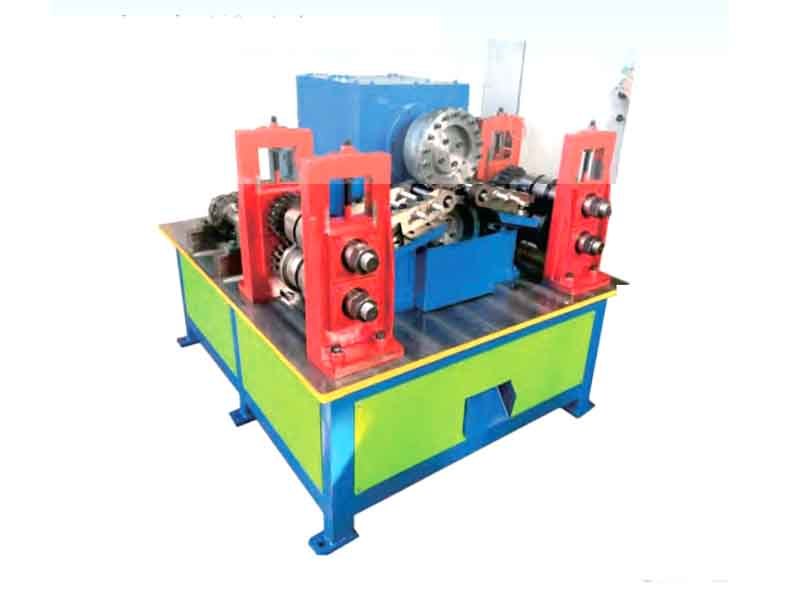
Steel rolling mills play a pivotal role in the metal processing industry, facilitating the transformation of raw steel into various finished products through the process of rolling. These mills are essential in shaping and sizing metals to meet specific industrial applications, ranging from construction to manufacturing.
At the core of a steel rolling mill is its ability to reduce the thickness of steel slabs or billets by passing them through a series of mechanically operated rollers. This process not only alters the dimensions of the metal but also improves its structural integrity through work hardening. The primary types of rolling mills commonly used include hot rolling mills and cold rolling mills, each serving distinct purposes and applications.
Hot rolling mills operate at elevated temperatures, allowing for easier deformation of the metal. This process is typically used for producing large sections of steel, such as beams, rails, and sheets. In contrast, cold rolling mills operate at room temperature and are employed to achieve tighter tolerances and enhanced surface finishes, resulting in products like precision sheets and strips.
In addition to their fundamental role in shaping metal, steel rolling mills are also equipped with advanced technology that enhances efficiency and productivity. Modern mills often incorporate automation and control systems that enable real-time monitoring of the rolling process. This capability allows operators to make precise adjustments, ensuring consistent product quality and minimizing material waste.
The benefits of operating a steel rolling mill extend beyond production efficiency. By streamlining the manufacturing process, these mills can significantly reduce lead times and lower production costs. Furthermore, the ability to produce customized steel products makes rolling mills an attractive option for industries requiring specific material properties and dimensions.
For professionals in the metal processing sector, understanding the intricacies of steel rolling mills is crucial. Knowledge of different mill types, operational parameters, and technological advancements can lead to improved production outcomes and a competitive edge in the market.
Moreover, as sustainability becomes a pressing concern, steel rolling mills are evolving to incorporate energy-efficient practices and reduce their environmental impact. Innovations such as regenerative drives and recycling of waste materials are becoming increasingly common, aligning the industry with modern sustainability goals.
In conclusion, steel rolling mills are integral to the manufacturing landscape, offering versatility and efficiency in metal processing. By staying informed about the operational capabilities and advancements associated with these mills, professionals can better navigate the complexities of the industry and leverage the full potential of metal forming technologies.
Previous Article:

Contact Us
Email:
WhatsApp:
WhatsApp:
Address:
Xing Village, Shibawu, Botou Town, Cangzhou City, Hebei Province



Message Inquiry