A manufacturing enterprise mainly engaged in the design and manufacture of cold bending equipment

Master the Art of Metal Forming with an Effective Manual Uncoiler
2025-11-28
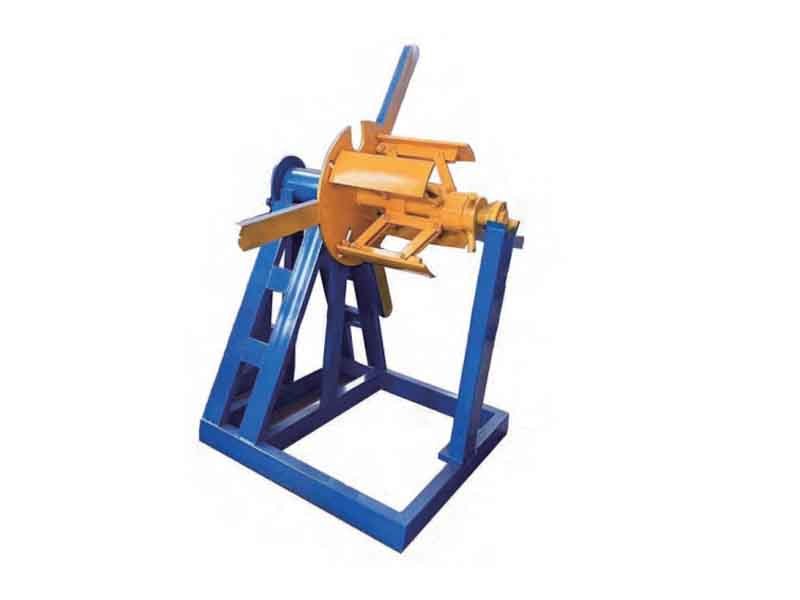
Mastering Metal Forming: The Vital Role of Manual Uncoilers
Metal forming is an integral operation in various industries, ranging from automotive to aerospace. At the core of this process lies the uncoiler, a machine designed to facilitate the smooth unwinding of metal coils. **Manual uncoilers**, in particular, offer a blend of control, efficiency, and cost-effectiveness that makes them essential in many metalworking environments. This article delves deep into the functionality, benefits, and best practices for using manual uncoilers effectively.
Table of Contents
1. Understanding Manual Uncoilers
2. The Importance of Metal Forming in Manufacturing
3. Benefits of Using Manual Uncoilers
4. How Manual Uncoilers Work
5. Choosing the Right Manual Uncoiler for Your Needs
6. Best Practices for Using Manual Uncoilers
7. Common Issues and Solutions When Using Manual Uncoilers
8. The Future of Metal Forming and Manual Uncoilers
9. Frequently Asked Questions
10. Conclusion
Understanding Manual Uncoilers
Manual uncoilers are devices that aid in unwinding coiled metal materials efficiently and safely. They are typically used in settings where the volume of metal processing does not justify the expense of an automatic uncoiler. By allowing operators to control the unwinding process manually, these machines provide flexibility and adaptability to various manufacturing environments.
Components of a Manual Uncoiler
A typical manual uncoiler consists of several critical components:
- **Frame:** The structural support that holds all parts together.
- **Mandrel:** A cylindrical shaft where the metal coil is mounted.
- **Braking System:** Facilitates controlled unwinding by applying friction to the coil.
- **Stand:** Provides stability and height, ensuring ergonomic operation for the user.
The Importance of Metal Forming in Manufacturing
Metal forming is a crucial process that transforms raw metal into usable shapes and components. This process plays a vital role in multiple industries, providing the foundation for products ranging from car frames to industrial equipment. The flexibility in design and the strength of formed metal products make it a preferred choice in engineering, construction, and consumer goods.
Applications of Metal Forming
Metal forming techniques are employed in numerous applications, including:
- **Stamping:** Creating parts by pressing metal sheets into molds.
- **Bending:** Shaping metal sheets through controlled bending processes.
- **Deep Drawing:** Forming a sheet into a three-dimensional shape.
- **Roll Forming:** Continuously bending metal into desired shapes via rollers.
Benefits of Using Manual Uncoilers
The utilization of manual uncoilers in metal forming offers several notable advantages:
Enhanced Control and Precision
Manual uncoilers allow operators to exert greater control over the unwinding process, minimizing the risk of coil deformation and enhancing precision in metal forming operations.
Cost-Effectiveness
In situations where production volume does not justify the investment in automatic systems, manual uncoilers provide a budget-friendly solution without compromising quality.
Flexibility
Manual uncoilers can accommodate various coil sizes and types, making them versatile tools for different metalworking applications.
Ease of Maintenance
With fewer complex components compared to automatic systems, manual uncoilers are relatively easy to maintain, leading to reduced downtime in production.
How Manual Uncoilers Work
Understanding the operational mechanics of manual uncoilers is critical for maximizing their efficiency. Here’s a step-by-step breakdown of the unwinding process:
1. Loading the Coil
The operator mounts the metal coil onto the mandrel of the uncoiler, ensuring it is securely fastened to prevent slippage during operation.
2. Adjusting the Braking System
The braking system is adjusted according to the coil's characteristics. This adjustment controls the tension during unwinding, preventing the coil from unraveling too quickly.
3. Initiating the Unwinding Process
The operator manually engages the uncoiler, allowing the metal to unwind gradually. This step requires careful attention to maintain tension and avoid kinks or bends in the material.
4. Monitoring the Operation
Throughout the unwinding process, the operator monitors the flow of metal, making necessary adjustments to the brake or speed to ensure a smooth operation.
Choosing the Right Manual Uncoiler for Your Needs
Selecting the appropriate manual uncoiler can significantly impact your production efficiency. Here are key factors to consider:
Coil Specifications
Understand the dimensions and weight of the coils you will be using. Ensure the uncoiler can accommodate these specifications without strain.
Material Compatibility
Different uncoilers are designed for specific materials such as steel, aluminum, or copper. Choose one that matches the type of metal you will be processing.
Operational Environment
Consider the working conditions, including space constraints and environmental factors that may affect the uncoiler’s operation.
Budget Considerations
Evaluate your budget while considering the long-term benefits of investing in a high-quality manual uncoiler versus cheaper alternatives.
Best Practices for Using Manual Uncoilers
Optimizing the use of manual uncoilers involves implementing certain best practices:
Regular Maintenance
Routine checks and maintenance of the uncoiler will ensure longevity and consistent performance. Lubricate moving parts and inspect for wear and tear.
Training Operators
Proper training for operators is crucial. They should understand the mechanics of the uncoiler and safety protocols to prevent accidents.
Implementing Safety Measures
Safety should be a priority. Use protective gear, ensure proper coil handling techniques, and regularly review safety protocols with the team.
Common Issues and Solutions When Using Manual Uncoilers
Even with the best practices, issues can arise during operation. Here are common problems and potential solutions:
Problem: Coil Slipping
**Solution:** Ensure the coil is correctly mounted and adjust the braking system to provide adequate tension.
Problem: Inconsistent Unwinding
**Solution:** Regularly monitor the braking system and adjust it as necessary to maintain constant tension throughout the unwinding process.
Problem: Coil Deformation
**Solution:** Use appropriate tension settings and avoid excessive speed during unwinding to preserve the integrity of the coil.
The Future of Metal Forming and Manual Uncoilers
As the metalworking industry evolves, so too does the technology behind manual uncoilers. The integration of smart technology, automation, and enhanced materials promises to improve efficiency and precision. These advancements will likely lead to innovations that further enhance the usability and effectiveness of manual uncoilers in metal forming operations.
Frequently Asked Questions
1. What is a manual uncoiler?
A manual uncoiler is a machine used to unwind coiled metal materials safely and efficiently, allowing for better control in the metal forming process.
2. What types of materials can be processed with a manual uncoiler?
Manual uncoilers can typically accommodate various materials, including steel, aluminum, and copper, depending on the machine's specifications.
3. How do I maintain my manual uncoiler?
Regular maintenance includes lubricating moving parts, checking for wear, and ensuring that all components are functioning properly.
4. What should I consider when choosing a manual uncoiler?
Consider coil specifications, material compatibility, operational environment, and your budget when making your selection.
5. What are the safety precautions for using a manual uncoiler?
Implementing safety measures includes wearing protective gear, ensuring proper training for operators, and following safety protocols during operation.
Conclusion
Mastering metal forming with an effective manual uncoiler is essential for achieving precision and efficiency in your metalworking processes. By understanding the workings, benefits, and best practices associated with manual uncoilers, manufacturers can enhance their production capabilities and maintain high-quality standards. As the industry continues to advance, staying informed about the latest innovations will ensure that you remain competitive and effective in your metal forming operations.
Previous Article:

Contact Us
Email:
WhatsApp:
WhatsApp:
Address:
Xing Village, Shibawu, Botou Town, Cangzhou City, Hebei Province



Message Inquiry