A manufacturing enterprise mainly engaged in the design and manufacture of cold bending equipment

Understanding Embossing Machines: A Comprehensive Guide for Metal Fabrication Professionals
2025-11-25
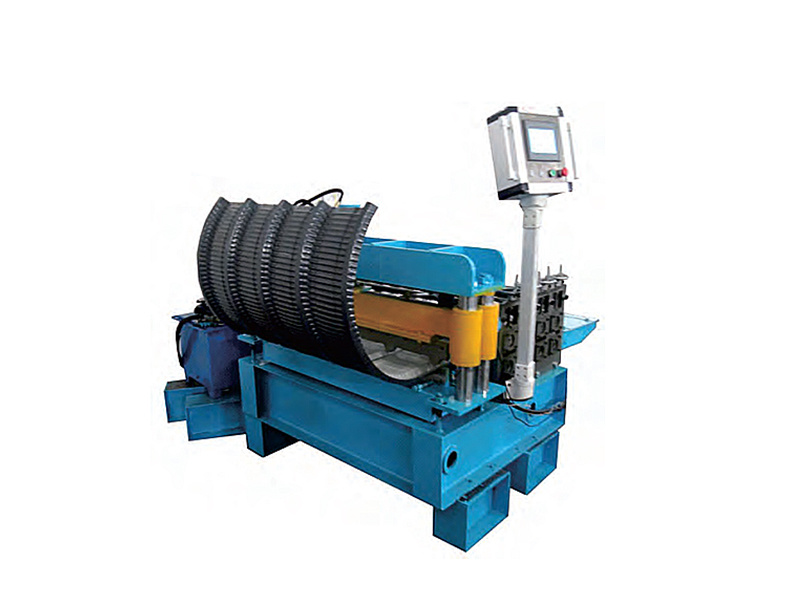
Embossing machines are specialized equipment widely used in the metal fabrication industry, particularly for metal forming applications. The primary function of these machines is to create raised or recessed designs on metal surfaces through a pressing process. This not only enhances the aesthetic appeal of products but also contributes to their functional characteristics.
One of the key benefits of embossing machines is their ability to produce intricate designs with precision. The embossing process involves using a die to imprint patterns onto the material, which can range from simple geometric shapes to complex logos or branding elements. This capability makes embossing machines invaluable in various sectors, including automotive, electronics, and consumer goods, where branding and design play a crucial role in market competitiveness.
When considering the implementation of an embossing machine in a manufacturing setup, it is important to assess the types available. There are several varieties, including rotary embossing machines, flatbed embossing machines, and digital embossing systems, each designed to meet specific production needs. Rotary embossing machines, for example, are highly efficient for continuous production runs, while flatbed systems are often favored for smaller batches or more detailed work. Digital embossing systems allow for greater flexibility and customization, catering to the dynamic needs of modern manufacturing.
In addition to versatility, embossing machines can significantly enhance productivity. By automating the embossing process, manufacturers can reduce lead times and increase output, leading to improved operational efficiency. Furthermore, these machines are often designed to be easily integrated with other manufacturing processes, allowing for a seamless workflow from design to final product.
Another consideration is the material compatibility of embossing machines. While they are predominantly used for metal processing, advancements have enabled these machines to work effectively with various materials, including plastics and composites. This adaptability opens new avenues for innovation in product design and manufacturing processes.
In conclusion, embossing machines represent a critical tool in the metal processing sector, offering unique advantages in design, efficiency, and material versatility. For professionals in the manufacturing industry, understanding the capabilities and applications of embossing machines can lead to improved product quality and competitive positioning in the market. Embracing these machines can ultimately drive growth and enhance the overall effectiveness of manufacturing operations.

Contact Us
Email:
WhatsApp:
WhatsApp:
Address:
Xing Village, Shibawu, Botou Town, Cangzhou City, Hebei Province



Message Inquiry