A manufacturing enterprise mainly engaged in the design and manufacture of cold bending equipment

Mastering Metal Forming: Comprehensive Insights into Downspout Forming Machines
2025-11-24
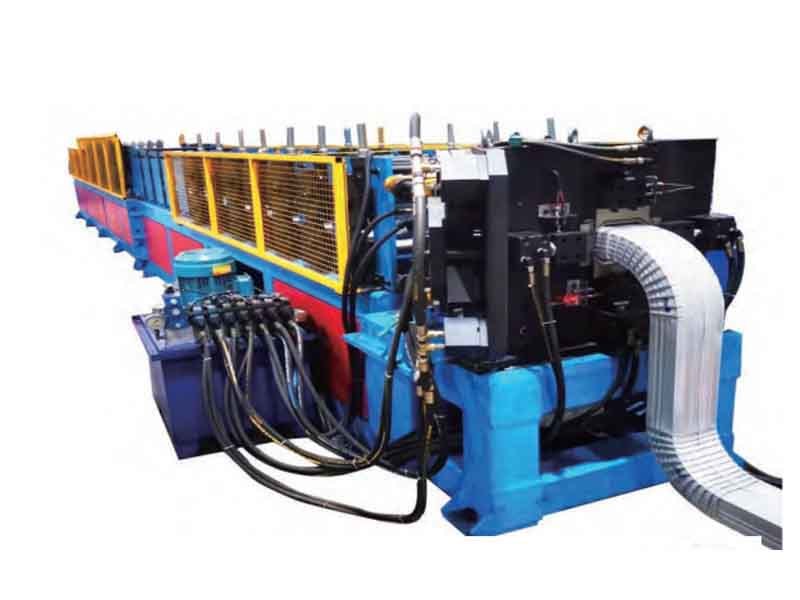
Mastering Metal Forming: Comprehensive Insights into Downspout Forming Machines
Table of Contents
- 1. Introduction to Downspout Forming Machines
- 2. Importance of Metal Forming in Manufacturing
- 3. Types of Downspout Forming Machines
- 4. Design Principles for Downspout Forming Machines
- 5. Operational Insights: How Downspout Forming Machines Work
- 6. Best Materials for Downspout Forming Processes
- 7. Maintenance and Troubleshooting Tips
- 8. The Future of Downspout Forming Machines
- 9. Frequently Asked Questions (FAQs)
- 10. Conclusion
1. Introduction to Downspout Forming Machines
Downspout forming machines play a pivotal role in the metalworking industry, particularly in the production of downspouts used for drainage systems. These machines transform flat metal sheets into functional and aesthetically pleasing downspouts, ensuring efficient water management in residential and commercial spaces. Understanding the nuances of these machines offers valuable insights into their operation and the broader implications for manufacturing processes.
2. Importance of Metal Forming in Manufacturing
Metal forming is a crucial aspect of manufacturing, enabling the production of complex shapes and designs that are integral to various applications. The process involves techniques such as bending, stretching, and compressing metals to achieve desired forms without compromising their integrity. Downspout forming represents a specific application of these techniques, showcasing the importance of precision and efficiency in modern manufacturing.
2.1 The Role of Downspouts in Construction
Downspouts are essential components of building drainage systems, channeling rainwater from roofs to the ground or drainage systems. Their design and functionality can influence the overall efficiency of water management in a structure, making the precision of downspout manufacturing critical.
3. Types of Downspout Forming Machines
Understanding the various types of downspout forming machines is essential for manufacturers looking to optimize their production processes. The main categories include:
3.1 Roll Forming Machines
Roll forming machines are widely used in the production of downspouts. They guide metal strips through a series of rollers that progressively shape the metal into the desired profile. This continuous process allows for high production rates and consistent quality.
3.2 Hydraulic Presses
Hydraulic presses utilize hydraulic force to shape metal sheets into downspouts. These machines are particularly effective for creating more complex shapes and are often used in low-volume production where precision is paramount.
3.3 CNC Forming Machines
Computer Numerical Control (CNC) forming machines offer exceptional precision and flexibility. They can be programmed to create various downspout designs, making them ideal for custom projects and elaborate designs.
4. Design Principles for Downspout Forming Machines
The design of downspout forming machines is influenced by several factors, including material properties, intended application, and production volume. Key design principles include:
4.1 Ergonomics and User-Friendliness
A well-designed machine should prioritize user comfort and efficiency. Operators must be able to manage the machine easily to minimize downtime and increase productivity.
4.2 Precision Engineering
Precision is critical in downspout manufacturing. Machines should be designed to maintain strict tolerances to ensure that the final product fits seamlessly into drainage systems.
4.3 Versatility in Design
Downspout forming machines should accommodate various shapes and sizes. This versatility allows manufacturers to cater to different market demands without the need for multiple machines.
5. Operational Insights: How Downspout Forming Machines Work
The operation of downspout forming machines involves several stages, from material preparation to final product output. Understanding this workflow can enhance efficiency and quality control.
5.1 Material Preparation
Before forming, metal sheets must be cut to the appropriate dimensions. This step often requires precision cutting tools to ensure accuracy and minimize waste.
5.2 Forming Process
During the forming process, metal sheets are fed into the machine and shaped according to the specified design. This process may include multiple passes through rollers or presses to achieve the final shape.
5.3 Quality Control Measures
Quality control is integral to the operation of downspout forming machines. Regular inspections and testing help ensure that finished products meet industry standards and customer expectations.
6. Best Materials for Downspout Forming Processes
The choice of materials significantly impacts the performance and durability of downspouts. Commonly used materials include:
6.1 Aluminum
Aluminum is lightweight, corrosion-resistant, and easy to work with, making it a popular choice for downspouts. Its properties allow for intricate designs without compromising strength.
6.2 Galvanized Steel
Galvanized steel offers superior strength and durability. Its coating protects against rust and corrosion, making it suitable for harsh weather environments.
6.3 PVC
While not a metal, PVC is increasingly used for downspouts due to its cost-effectiveness and resistance to corrosion. It is essential to consider the specific requirements of the project when selecting materials.
7. Maintenance and Troubleshooting Tips
Regular maintenance is crucial for the longevity and efficiency of downspout forming machines. Following these tips can help reduce downtime and repair costs:
7.1 Routine Cleaning
Keep machines clean to prevent dust and debris from affecting performance. Regularly check and clean components to ensure smooth operation.
7.2 Lubrication of Moving Parts
Proper lubrication of moving parts is vital to prevent wear and tear. Ensure that all mechanical components are regularly lubricated according to the manufacturer's guidelines.
7.3 Troubleshooting Common Issues
Be prepared to address common operational issues, such as misalignment, inconsistent forming, or machine jams. Keeping a log of maintenance and issues can assist in identifying patterns and preventing future problems.
8. The Future of Downspout Forming Machines
As technology evolves, so too does the landscape of metal forming. The future of downspout forming machines promises advancements in automation, efficiency, and sustainability.
8.1 Automation and Smart Technology
The integration of smart technology and automation will revolutionize how downspout forming machines operate. Enhanced monitoring systems can optimize production processes and reduce waste.
8.2 Sustainable Practices
With a growing focus on sustainability, manufacturers are increasingly seeking eco-friendly materials and processes. Future downspout forming machines may prioritize energy efficiency and waste reduction.
9. Frequently Asked Questions (FAQs)
9.1 What is a downspout forming machine?
A downspout forming machine is a specialized piece of equipment that shapes flat metal sheets into downspouts used in drainage systems.
9.2 How does a roll forming machine work?
A roll forming machine guides metal strips through a series of rollers that progressively shape the metal into the desired profile, allowing for continuous production.
9.3 What materials can be used for downspouts?
Common materials for downspouts include aluminum, galvanized steel, and PVC, each offering different properties and advantages.
9.4 How often should downspout forming machines be maintained?
Regular maintenance should be performed according to the manufacturer's guidelines, with routine checks for cleaning and lubrication recommended.
9.5 What are the advantages of using CNC forming machines?
CNC forming machines offer high precision, flexibility in design, and the ability to produce custom shapes efficiently.
10. Conclusion
Mastering the intricacies of downspout forming machines is essential for manufacturers seeking to enhance their metal forming capabilities. As we explore the types, operational insights, materials, and future trends, it's evident that these machines are vital for producing high-quality downspouts that meet the demands of modern construction. By prioritizing design principles, maintenance, and technological advancements, manufacturers can position themselves at the forefront of the metalworking industry, ensuring efficiency and innovation in every project.
Previous Article:

Contact Us
Email:
WhatsApp:
WhatsApp:
Address:
Xing Village, Shibawu, Botou Town, Cangzhou City, Hebei Province



Message Inquiry