A manufacturing enterprise mainly engaged in the design and manufacture of cold bending equipment

Understanding the Functionality and Benefits of Steel Rolling Mills
2025-11-19
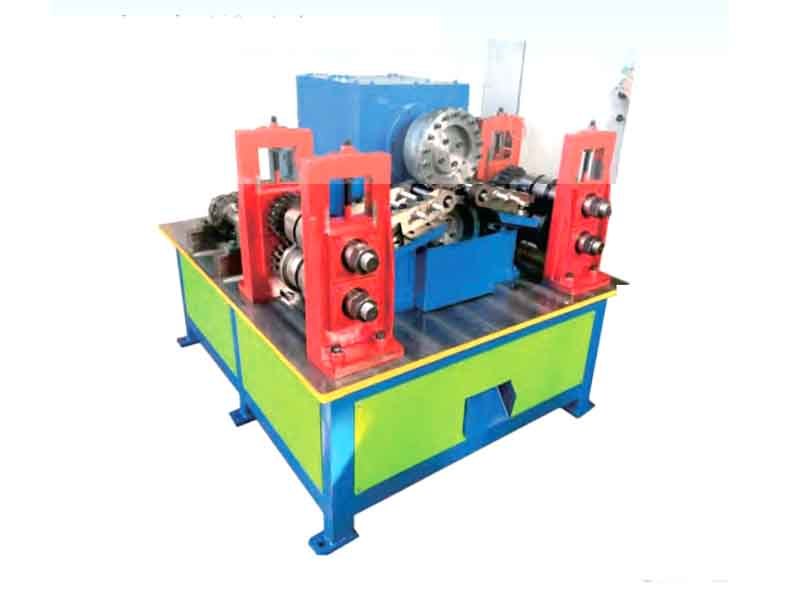
Steel rolling mills play a crucial role in the metal processing and manufacturing industry, serving as the backbone for transforming raw steel into usable products. These facilities utilize various processes to shape and reduce the thickness of steel, making it suitable for a wide range of applications. Understanding the functionality of steel rolling mills can provide valuable insights into their significance and advantages within the manufacturing sector.
At its core, a steel rolling mill operates by passing heated steel slabs or billets through a series of rolls. This process, known as rolling, can be performed in various configurations, including hot and cold rolling. Hot rolling involves processing metal at high temperatures, allowing it to become more malleable and easier to work with. Conversely, cold rolling occurs at room temperature and is typically used to achieve tighter tolerances and improved surface finishes.
One of the most notable benefits of steel rolling mills is their ability to enhance the mechanical properties of steel. Through the rolling process, the grain structure of the metal is refined, resulting in improved strength, ductility, and toughness. This transformation is critical, as it enables the production of steel products that meet specific industry standards and requirements.
Moreover, steel rolling mills contribute to efficiency in manufacturing by allowing for continuous production. With modern advancements in technology, many mills are equipped with automated systems that streamline operations, reduce labor costs, and minimize waste. This not only enhances productivity but also supports sustainability efforts within the industry by ensuring that materials are utilized effectively.
Additionally, the versatility of products produced by steel rolling mills is noteworthy. From sheets and plates to bars and rods, the range of finished products is extensive. These materials find applications in numerous sectors, including construction, automotive, and machinery manufacturing. As a result, steel rolling mills are vital in supplying the necessary materials that fuel economic growth and infrastructure development.
In conclusion, steel rolling mills are indispensable in the metal processing and manufacturing industry. Their ability to transform raw materials into high-quality finished products not only enhances the mechanical properties of steel but also promotes efficiency and sustainability. As industries continue to evolve, the significance of steel rolling mills will remain integral, driving innovation and meeting the ever-growing demand for advanced steel products. Understanding their functionality and benefits can provide valuable insights for businesses looking to optimize their metal processing capabilities.
Previous Article:

Contact Us
Email:
WhatsApp:
WhatsApp:
Address:
Xing Village, Shibawu, Botou Town, Cangzhou City, Hebei Province



Message Inquiry