A manufacturing enterprise mainly engaged in the design and manufacture of cold bending equipment

Why Every Workshop Needs a Manual Uncoiler for Optimal Performance
2025-11-18
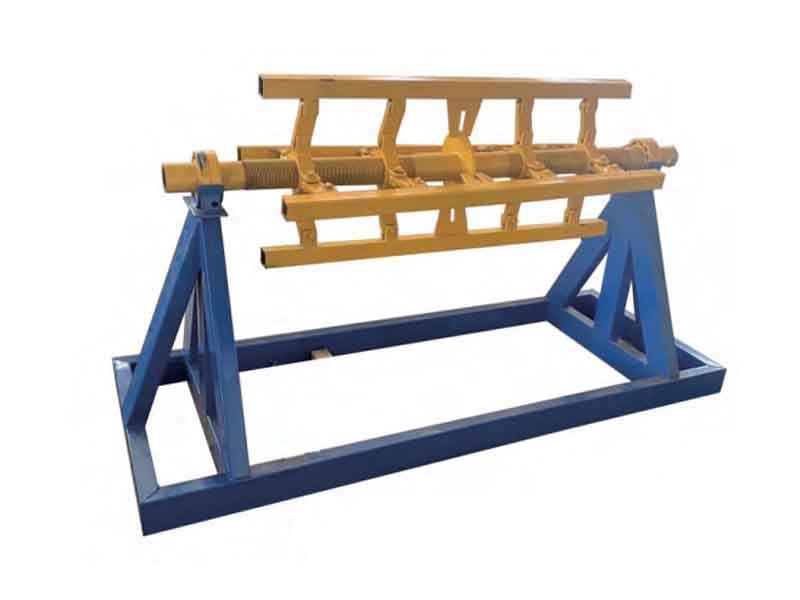
Why Every Workshop Needs a Manual Uncoiler for Optimal Performance
Understanding the Role of a Manual Uncoiler in Metalworking
In the realm of manufacturing and metalworking, efficiency and precision are paramount. A manual uncoiler serves as a critical component in the processing of metal strips or coils. By enabling the seamless unwinding of materials, this device significantly enhances workflow, reduces downtime, and ultimately leads to superior product quality.
A manual uncoiler is specifically designed for handling coils of materials such as steel, aluminum, and other metals. It allows operators to release and manage the material with greater ease, thereby streamlining the fabrication process.
Key Benefits of Using a Manual Uncoiler
1. Increased Productivity
One of the primary reasons workshops should consider employing a manual uncoiler is its capacity to boost productivity. With a dedicated uncoiling system, workers can efficiently manage the unwinding process, leading to faster setup times and reduced material wastage.
2. Enhanced Safety
Safety in the workplace cannot be overstated. Manual uncoilers come equipped with features designed to minimize the risk of injury during operation. For instance, many models include safety brakes and controlled unwinding mechanisms that prevent sudden releases, which can be hazardous.
3. Versatility in Applications
Manual uncoilers are adaptable tools that can be utilized across various applications within metalworking. Whether handling thin sheets or heavy coils, these devices can accommodate different materials and thicknesses, making them a versatile addition to any workshop.
How Manual Uncoilers Work
Basic Mechanism of Operation
The fundamental operation of a manual uncoiler involves a simple yet effective mechanism. The coil is mounted onto the uncoiler, allowing it to rotate freely. As the operator pulls the material, the uncoiler unwinds it smoothly while maintaining tension, which prevents tangling and misalignment.
Types of Manual Uncoilers
Various types of manual uncoilers exist to cater to different workshop needs. Some popular types include:
- **Standard Manual Uncoilers**: Ideal for basic operations and smaller coils.
- **Heavy-Duty Manual Uncoilers**: Designed for larger, more robust coils often found in industrial settings.
- **Adjustable Manual Uncoilers**: These can accommodate varying coil sizes, offering flexibility for diverse projects.
Implementing a Manual Uncoiler in Your Workflow
Assessing Your Workshop Needs
Before integrating a manual uncoiler into your workflow, it's crucial to evaluate your specific needs. Consider factors such as the types of materials you work with, the volume of production, and available space.
Training Your Team
Effective utilization of a manual uncoiler requires proper training. Workshops should ensure that all operators are familiar with the device's functions and safety protocols. Regular training sessions can help maintain a safe and efficient work environment.
Optimizing Performance with a Manual Uncoiler
Regular Maintenance Practices
To maximize the lifespan and performance of a manual uncoiler, regular maintenance is essential. Routine checks for wear and tear, along with lubrication of moving parts, ensure that the device operates smoothly.
Integrating with Other Machinery
A manual uncoiler works best when harmoniously integrated with other workshop machinery. For instance, coupling it with a metal shear or press can create a seamless production line, further enhancing efficiency.
Cost Considerations for Manual Uncoilers
While the initial investment in a manual uncoiler may seem substantial, the long-term savings from increased efficiency and reduced labor costs often outweigh this expense. Workshops should conduct a cost-benefit analysis to assess potential returns on investment.
Frequently Asked Questions (FAQs)
1. What materials can a manual uncoiler handle?
A manual uncoiler can handle various materials, including steel, aluminum, and other metals in coil form.
2. How difficult is it to operate a manual uncoiler?
Operating a manual uncoiler is relatively straightforward. With proper training, operators can efficiently manage the unwinding process.
3. Can a manual uncoiler accommodate different coil sizes?
Yes, many manual uncoilers are adjustable and can accommodate various coil sizes and thicknesses.
4. What safety features should I look for in a manual uncoiler?
Look for safety brakes, controlled unwinding mechanisms, and sturdy construction to ensure safe operation.
5. How can I maintain my manual uncoiler for optimal performance?
Regular maintenance includes checking for wear, lubricating moving parts, and ensuring that all safety features are functional.
Conclusion
Incorporating a manual uncoiler into your workshop can revolutionize your metalworking processes. By enhancing productivity, improving safety, and offering versatility, this tool is essential for achieving optimal performance. As the manufacturing landscape continues to evolve, investing in a manual uncoiler positions your workshop for success in an increasingly competitive industry. Whether you’re dealing with small-scale operations or large industrial projects, the benefits of a manual uncoiler are clear—making it a worthy investment for any workshop dedicated to excellence.
Previous Article:

Contact Us
Email:
WhatsApp:
WhatsApp:
Address:
Xing Village, Shibawu, Botou Town, Cangzhou City, Hebei Province



Message Inquiry