A manufacturing enterprise mainly engaged in the design and manufacture of cold bending equipment

Understanding the Functionality and Importance of Steel Rolling Mills
2025-11-09
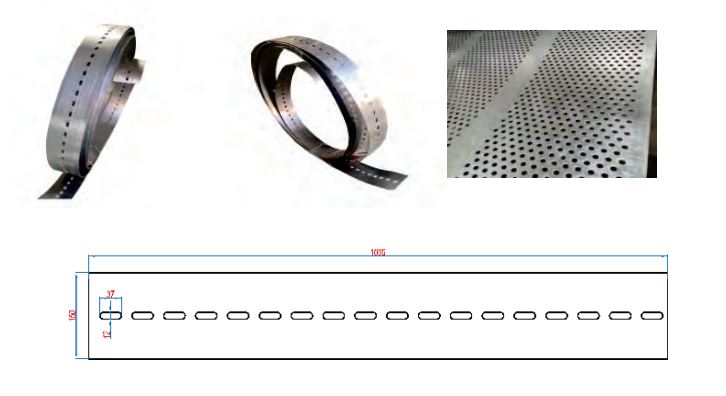
Steel rolling mills are essential components in the metal processing industry, playing a vital role in the transformation of raw steel into usable products. The process involves the continuous deformation of steel, ensuring that it achieves the desired thickness and shape. This method is not only efficient but also results in improved material properties, making it an indispensable technology in the manufacturing sector.
At its core, a steel rolling mill comprises several key elements, including rollers, gears, and a hydraulic system. The rollers are responsible for applying pressure to the steel, enabling it to be shaped into various forms, such as sheets, plates, bars, and structural components. The hydraulic system facilitates the adjustment of roller gaps, allowing for precision in the thickness and dimensions of the final product. This adaptability is crucial as different applications require specific characteristics in steel products.
The steel rolling process can be broadly categorized into two types: hot rolling and cold rolling. Hot rolling occurs at elevated temperatures, making the metal easier to work with and reducing the energy required for deformation. This method is commonly used to produce large quantities of standard products, such as beams and channels. Conversely, cold rolling takes place at room temperature and involves a more refined process. It enhances the surface finish and dimensional accuracy of the steel, making it suitable for applications where these factors are critical, like in automotive parts or home appliances.
Steel rolling mills are not only pivotal for producing structural materials but also contribute to the recycling of steel. The ability to reprocess scrap metal into new forms reduces waste and supports sustainability initiatives within the industry. By employing advanced rolling technologies, manufacturers can optimize output and minimize energy consumption, aligning with global efforts to enhance industrial efficiency.
In summary, steel rolling mills are invaluable assets in the manufacturing of metal products. Their capacity to transform raw steel into finished goods, combined with the ability to adapt processes for specific requirements, underscores their significance in the metalworking sector. As industries continue to evolve, the advancements in rolling mill technology will likely play a crucial role in shaping the future of manufacturing, ensuring that it not only meets economic demands but also adheres to environmental standards. Understanding the functionality and applications of steel rolling mills is essential for professionals engaged in metal processing, enabling them to make informed decisions regarding material production and innovation in the field.
Previous Article:

Contact Us
Email:
WhatsApp:
WhatsApp:
Address:
Xing Village, Shibawu, Botou Town, Cangzhou City, Hebei Province



Message Inquiry