A manufacturing enterprise mainly engaged in the design and manufacture of cold bending equipment

Exploring the Benefits of Manual Uncoilers in Metal Manufacturing
2025-11-08
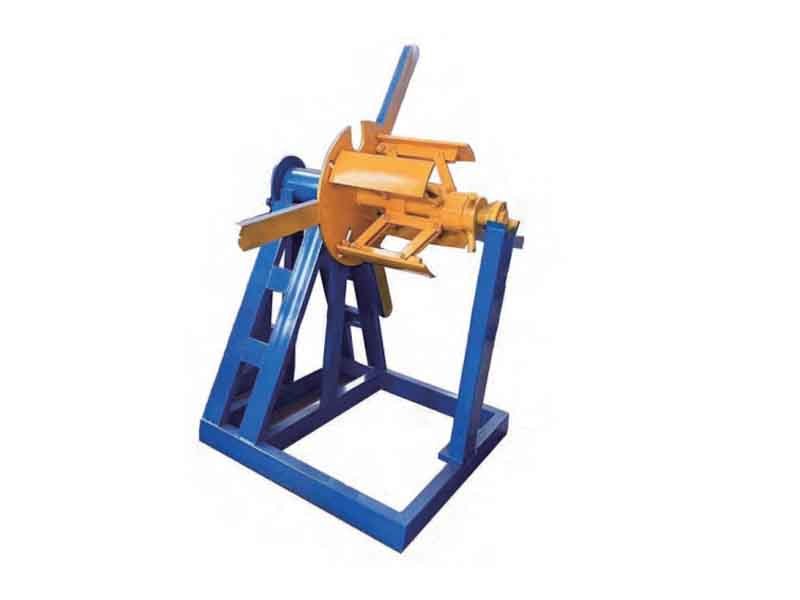
Exploring the Benefits of Manual Uncoilers in Metal Manufacturing
In the fast-paced world of metal manufacturing, efficiency and precision are paramount. As industries continually strive to improve their operations, the role of equipment becomes increasingly crucial. One piece of machinery that often garners attention is the manual uncoiler. This article will thoroughly explore the benefits of manual uncoilers in metal manufacturing, highlighting why they are a valuable addition to production lines.
Understanding Manual Uncoilers
Manual uncoilers are devices designed to unwind coil materials, such as metal sheets or rods, in preparation for further processing. They play a vital role in various applications, from metal fabrication to automotive manufacturing. Their simplicity and functionality make them an essential tool for metal manufacturers aiming to optimize their operations.
Key Features of Manual Uncoilers
1. User-Friendly Design
Manual uncoilers are constructed with ease of use in mind. Their ergonomic designs ensure that operators can unwind coils without excessive physical strain. This feature is particularly beneficial in environments where workers handle heavy materials regularly. The straightforward operation of these uncoilers minimizes the learning curve, allowing team members to focus on production tasks more efficiently.
2. Versatility in Applications
Manual uncoilers are versatile tools used in various manufacturing sectors. They can handle different materials, including steel, aluminum, and copper, making them suitable for diverse applications. This adaptability allows manufacturers to utilize the same equipment for multiple projects, reducing the need for specialized machinery and the associated costs.
3. Compact and Space-Saving
In many manufacturing facilities, space is at a premium. Manual uncoilers are typically compact, allowing for easy integration into existing production lines without requiring significant alterations to the workspace. Their small footprint means that manufacturers can maximize their floor space while still ensuring that they have the necessary equipment for efficient operations.
The Benefits of Using Manual Uncoilers in Metal Manufacturing
1. Increased Efficiency and Productivity
One of the primary advantages of using manual uncoilers is the boost in efficiency they provide. By streamlining the process of unwinding coils, manufacturers can significantly reduce downtime. Fewer interruptions in the production line mean that companies can produce more finished products in less time, directly impacting profitability.
2. Enhanced Quality Control
Manual uncoilers facilitate better quality control in the manufacturing process. By ensuring that coils are unwound smoothly and without kinks, manufacturers can maintain the integrity of the material. This careful handling reduces the risk of material defects, which can lead to costly rework or scrap. Ultimately, high-quality output solidifies a company’s reputation in the competitive market.
3. Cost-Effective Solution
The initial investment in a manual uncoiler can be minimal compared to more complex automated systems. For smaller manufacturers or those just starting, this cost-effective solution allows for better budget management while still enhancing productivity. Moreover, they require less maintenance and can be operated without extensive training, leading to further savings in operational costs.
4. Greater Control Over the Unwinding Process
Manual uncoilers allow operators to have greater control over the unwinding speed and tension of the material. This flexibility can be crucial when working with sensitive materials that require careful handling. The ability to adjust the unwinding process ensures that manufacturers can meet specific project requirements while minimizing waste.
5. Improved Safety in the Workplace
Safety is a top priority in any manufacturing environment. Manual uncoilers are designed with safety features that help protect operators from potential hazards. By minimizing the risk of material slippage and providing stable support for heavy coils, these devices contribute to a safer work environment.
Choosing the Right Manual Uncoiler for Your Needs
1. Assessing Your Production Requirements
Before selecting a manual uncoiler, it is essential to evaluate your specific production needs. Consider factors such as the size and weight of the coils you will be working with, as well as the materials you intend to use. Understanding these requirements will help you choose a model that fits your operations seamlessly.
2. Material Handling Capacity
Different manual uncoilers have varied material handling capacities. Selecting a model that can support the weight and dimensions of your coils is critical to ensure optimal performance. Overloading an uncoiler can lead to equipment failure and increased safety risks.
3. Durability and Build Quality
Investing in a durable manual uncoiler can save money in the long run. Look for models made from high-quality materials that can withstand the rigors of daily use. A well-built uncoiler will require less maintenance and provide reliable service over time.
4. Integration with Existing Equipment
Ensure that the manual uncoiler you choose can easily integrate with your existing production line. Compatibility with other machinery and workflow processes is crucial for maintaining efficiency in your operations.
Maintenance Tips for Manual Uncoilers
1. Regular Inspections
Conducting regular inspections of your manual uncoiler is vital for its longevity. Check for signs of wear and tear, loose components, and any other potential issues that could compromise its performance. Addressing these concerns promptly can prevent costly repairs down the line.
2. Cleanliness and Care
Maintaining a clean work environment is essential for the longevity of your equipment. Ensure that the manual uncoiler is free from debris and contaminants that could affect its operation. Regular cleaning can help avoid buildup that may hinder performance.
3. Proper Lubrication
Regular lubrication of moving parts is crucial for ensuring smooth operation. Follow the manufacturer's guidelines for lubrication intervals and types of lubricants to use. Proper lubrication minimizes friction and prolongs the life of the equipment.
Real-World Applications of Manual Uncoilers
1. Automotive Manufacturing
In the automotive industry, manual uncoilers play a pivotal role in processing metal components for vehicles. They help unwind coils for parts such as frames, panels, and chassis, facilitating efficient production workflows.
2. Construction and Structural Fabrication
Manual uncoilers are also vital in construction and structural fabrication. They enable manufacturers to uncoil metal sheets for beams, girders, and other structural elements, ensuring that builders have the necessary materials for their projects.
3. HVAC and Plumbing Industries
In the HVAC and plumbing sectors, manual uncoilers assist in handling copper and aluminum coils used in piping and tubing. Their flexibility and ease of use make them ideal for these applications, where precision is critical.
Frequently Asked Questions (FAQs)
1. What is a manual uncoiler?
A manual uncoiler is a device used in metal manufacturing to unwind coils of metal sheets or rods. It helps streamline the production process by providing easy and controlled unwinding.
2. How do I choose the right manual uncoiler?
When selecting a manual uncoiler, consider factors such as the size and weight of the coils, material handling capacity, durability, and compatibility with existing equipment.
3. What materials can be used with manual uncoilers?
Manual uncoilers can handle various materials, including steel, aluminum, and copper, making them suitable for numerous applications across different industries.
4. Are manual uncoilers safe to use?
Yes, manual uncoilers are designed with safety features to minimize risks. Proper training and adherence to safety protocols further enhance their safe operation.
5. How can I maintain a manual uncoiler?
Regular inspections, cleanliness, and proper lubrication are essential for maintaining a manual uncoiler. Following the manufacturer's guidelines for care will help prolong its lifespan.
Conclusion
In summary, manual uncoilers are a valuable asset in the metal manufacturing industry. Their user-friendly design, versatility, and cost-effectiveness make them ideal for enhancing productivity and maintaining high-quality standards. By understanding their benefits, selecting the right model, and properly maintaining the equipment, manufacturers can significantly improve their operations. Embracing manual uncoilers can lead to a more efficient and profitable manufacturing process, setting businesses up for success in a competitive market.
Previous Article:

Contact Us
Email:
WhatsApp:
WhatsApp:
Address:
Xing Village, Shibawu, Botou Town, Cangzhou City, Hebei Province



Message Inquiry