A manufacturing enterprise mainly engaged in the design and manufacture of cold bending equipment

The Essential Guide to Steel Rolling Mills: Understanding Their Role in Metal Processing
2025-10-30
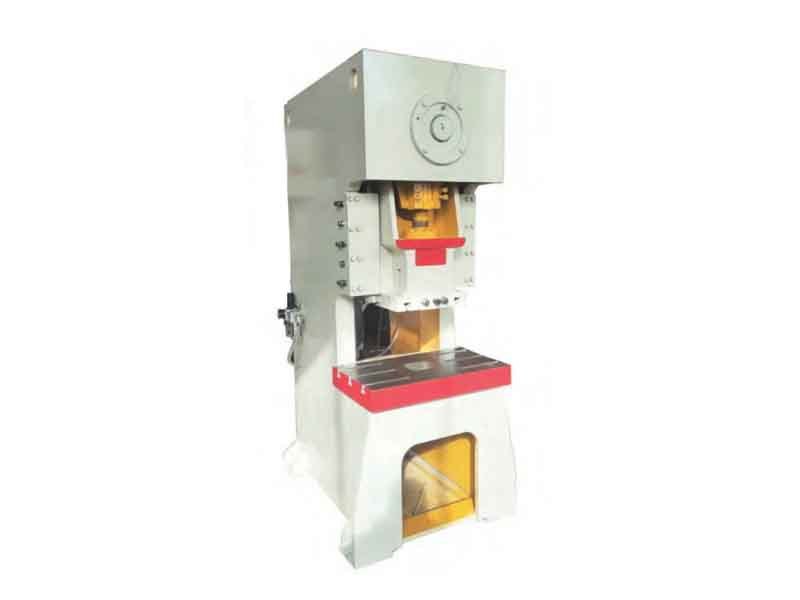
Steel rolling mills are pivotal in the metal processing industry, serving as the backbone for the production of a wide array of steel products. These facilities utilize advanced machinery and techniques to transform raw metal into finished products through a series of rolling processes. The primary function of a steel rolling mill is to reduce the thickness of metal sheets or bars, enhancing their dimensional accuracy and surface quality.
The process begins with the heating of metal billets or slabs to elevated temperatures, which makes them malleable. This heated metal is then passed through a series of rollers that progressively reduce its thickness while increasing its length. The control of temperature and processing speed is critical, as it directly influences the final properties of the metal. Steel rolling mills can produce various shapes, including plates, strips, and structural components, making them invaluable in construction and manufacturing sectors.
One of the significant advantages of steel rolling mills is their ability to produce high-quality materials with improved mechanical properties. The rolling process can refine the grain structure of the metal, resulting in enhanced strength and ductility. Additionally, the controlled conditions within a steel rolling mill can lead to uniform thickness and surface finish, which are essential factors in many applications.
As technology advances, the steel rolling mill industry continues to evolve. The introduction of automation and sophisticated control systems has significantly improved efficiency and product consistency. Modern mills often incorporate real-time monitoring and feedback loops to optimize performance, reduce waste, and maintain high-quality standards. This technological progression not only enhances productivity but also contributes to sustainability by minimizing energy consumption and material wastage.
Furthermore, steel rolling mills play a vital role in the circular economy. By recycling scrap metal and transforming it into new products, these facilities contribute to resource conservation and environmental protection. The ability to repurpose metal waste not only reduces landfill use but also lowers the carbon footprint associated with metal production.
In conclusion, steel rolling mills are integral to the manufacturing and processing of metal products. Their advanced techniques and processes facilitate the production of high-quality materials essential for various industries. As the industry continues to innovate, the role of steel rolling mills will undoubtedly expand, further cementing their significance in the global metal processing landscape. Understanding their operation and benefits can help professionals in the field make informed decisions and drive progress in manufacturing practices.
Previous Article:

Contact Us
Email:
WhatsApp:
WhatsApp:
Address:
Xing Village, Shibawu, Botou Town, Cangzhou City, Hebei Province



Message Inquiry