A manufacturing enterprise mainly engaged in the design and manufacture of cold bending equipment

Unlocking Efficiency: How a Manual Uncoiler Transforms Metal Processing
2025-10-29
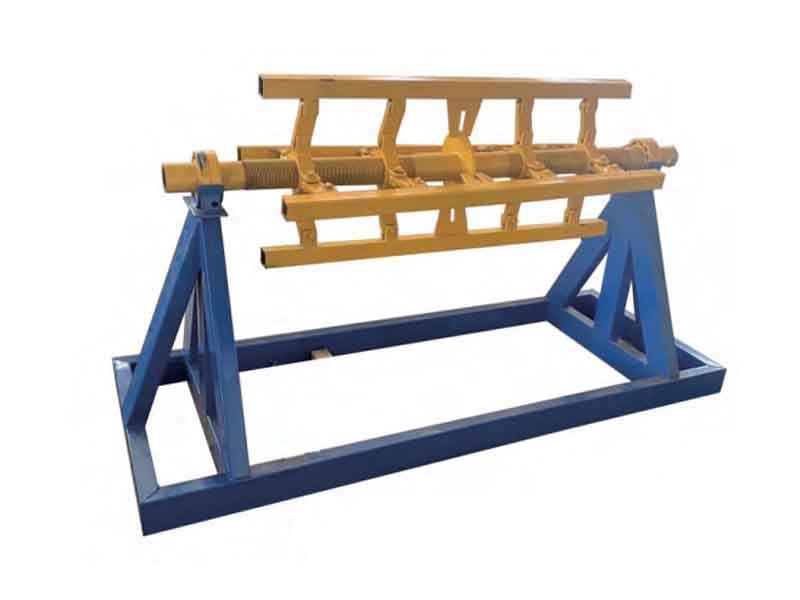
Unlocking Efficiency: How a Manual Uncoiler Transforms Metal Processing
Table of Contents
- 1. Introduction to Manual Uncoilers
- 2. The Importance of Manual Uncoilers in Metal Processing
- 3. Functionality of Manual Uncoilers
- 4. Benefits of Using a Manual Uncoiler
- 4.1 Increased Efficiency in Production
- 4.2 Cost-Effectiveness and ROI
- 4.3 Versatility and Adaptability
- 5. Installation and Setup of Manual Uncoilers
- 6. Maintenance of Manual Uncoilers
- 7. Industry Applications of Manual Uncoilers
- 8. Frequently Asked Questions
- 9. Conclusion
1. Introduction to Manual Uncoilers
In the realm of metal processing, the **manual uncoiler** serves as a crucial component that significantly enhances operational efficiency. These machines are indispensable in industries where metal coils are utilized, enabling a seamless transition from raw material to finished product. By simplifying the unwinding process of coiled metal sheets or strips, manual uncoilers pave the way for a more streamlined manufacturing workflow.
2. The Importance of Manual Uncoilers in Metal Processing
Manual uncoilers play a vital role in **metal processing** by providing a reliable solution for managing coils. Without proper unwinding equipment, companies may face challenges such as material damage, inefficient production rates, and increased labor costs. The introduction of manual uncoilers into the production line transforms these challenges into streamlined processes, ultimately boosting productivity.
3. Functionality of Manual Uncoilers
Manual uncoilers are designed to handle various coil sizes and weights, making them adaptable to different manufacturing needs. The core functionality of these machines involves the following key aspects:
3.1 Coil Loading and Unloading
Operators can easily load coils onto the uncoiler, which is designed to support and stabilize the coil during the unwinding process. This feature is essential to prevent potential hazards and maintain the integrity of the materials being processed.
3.2 Controlled Unwinding
The uncoiler allows for controlled unwinding of metal coils, ensuring that the material is dispensed smoothly and evenly. This precision reduces the risk of defects in the final product and enhances overall quality.
3.3 Integration with Other Equipment
Manual uncoilers can be integrated seamlessly with other machines in a production line, such as **press brakes** and **shears**. This integration further enhances workflow efficiency, allowing for a continuous production process without unnecessary interruptions.
4. Benefits of Using a Manual Uncoiler
Implementing manual uncoilers in metal processing operations yields numerous benefits that contribute to improved efficiency and productivity.
4.1 Increased Efficiency in Production
One of the primary advantages of using a manual uncoiler is the significant increase in production efficiency. By allowing for quick loading and unloading of coils, manual uncoilers minimize downtime, enabling operators to focus on other essential tasks.
4.2 Cost-Effectiveness and ROI
Investing in a manual uncoiler can be a cost-effective solution for manufacturers. These machines require less maintenance compared to automated systems, resulting in lower operational costs. Additionally, the enhancement in productivity translates to a positive return on investment (ROI) over time.
4.3 Versatility and Adaptability
Manual uncoilers are versatile devices that can accommodate various coil sizes and types. This adaptability allows manufacturers to handle a diverse range of materials without the need for multiple specialized machines, thereby reducing capital expenditure.
5. Installation and Setup of Manual Uncoilers
The installation process of a manual uncoiler is straightforward, but it requires careful planning to ensure optimal performance. Here are the key steps involved:
5.1 Site Preparation
Before installation, it is crucial to prepare the site adequately. This includes ensuring proper space allocation and environmental conditions that favor the unhindered operation of the equipment.
5.2 Setting Up the Uncoiler
Once the site is prepared, the uncoiler must be positioned correctly. Following the manufacturer's guidelines for setup helps to ensure safety and efficiency during operation.
5.3 Testing and Calibration
After installation, a thorough testing phase is essential. Operators should calibrate the uncoiler according to the specific materials and production requirements, ensuring that it functions optimally.
6. Maintenance of Manual Uncoilers
Regular maintenance of manual uncoilers is crucial for sustaining their long-term efficiency and reliability. Here are some key maintenance tips:
6.1 Routine Inspections
Conduct routine inspections to identify wear and tear, ensuring that all components are functioning as intended. This proactive approach can prevent unexpected breakdowns.
6.2 Lubrication
Proper lubrication of moving parts is essential to minimize friction and wear. Regularly lubricating the uncoiler components will enhance performance and prolong the machine’s lifespan.
6.3 Operator Training
Training operators on the proper use and maintenance of the uncoiler is vital. Educated operators can identify potential issues early and handle the equipment safely.
7. Industry Applications of Manual Uncoilers
Manual uncoilers are utilized across various industries that rely on metal processing. Some notable applications include:
7.1 Automotive Manufacturing
In the automotive industry, manual uncoilers are commonly used to unwind metal sheets for stamping processes. This ensures a smooth supply of materials for vehicle component production.
7.2 Construction Industry
Construction companies use manual uncoilers to handle metal roofing materials, ensuring that sheets are unwound efficiently for installation.
7.3 Aerospace Industry
In aerospace manufacturing, precise metal processing is crucial. Manual uncoilers facilitate the handling of lightweight metal coils, contributing to the production of high-quality components.
8. Frequently Asked Questions
8.1 What is a manual uncoiler?
A manual uncoiler is a machine designed to unwind coiled metal sheets or strips, facilitating their integration into various manufacturing processes.
8.2 How does a manual uncoiler improve productivity?
By enabling quick loading and controlled unwinding of coils, manual uncoilers reduce downtime and streamline production operations.
8.3 What types of materials can a manual uncoiler handle?
Manual uncoilers can accommodate various metal types, including steel, aluminum, and other alloys, making them versatile for different industrial applications.
8.4 How often should a manual uncoiler be maintained?
Regular maintenance should be conducted based on usage frequency, but routine inspections should occur at least once a month.
8.5 Can a manual uncoiler be integrated with other machinery?
Yes, manual uncoilers can be integrated with other machines in a production line, enhancing workflow and operational efficiency.
9. Conclusion
In conclusion, manual uncoilers are invaluable assets in the metal processing industry. Their ability to streamline operations, enhance productivity, and offer versatility makes them essential for manufacturers striving for efficiency. By understanding the functionality, benefits, and maintenance of manual uncoilers, businesses can harness their potential to transform metal processing operations, ultimately achieving higher productivity and profitability. Embracing technology, such as manual uncoilers, is not just a step forward; it is a leap toward a more efficient future in manufacturing.
Previous Article:

Contact Us
Email:
WhatsApp:
WhatsApp:
Address:
Xing Village, Shibawu, Botou Town, Cangzhou City, Hebei Province



Message Inquiry