A manufacturing enterprise mainly engaged in the design and manufacture of cold bending equipment

The Impact of Downspout Forming Machines on Manufacturing Efficiency
2026-10-23
The Impact of Downspout Forming Machines on Manufacturing Efficiency
Introduction to Downspout Forming Machines
Manufacturing has continuously evolved, driven by the need for efficiency, precision, and sustainability. One essential piece of equipment that has garnered significant attention is the downspout forming machine. These machines are pivotal in the metal processing industry, primarily focusing on the fabrication of downspouts used in drainage systems.
In this article, we delve into how downspout forming machines impact manufacturing efficiency, exploring their technology, benefits, and the future they promise for industrial operations.
Understanding Downspout Forming Machines
What Are Downspout Forming Machines?
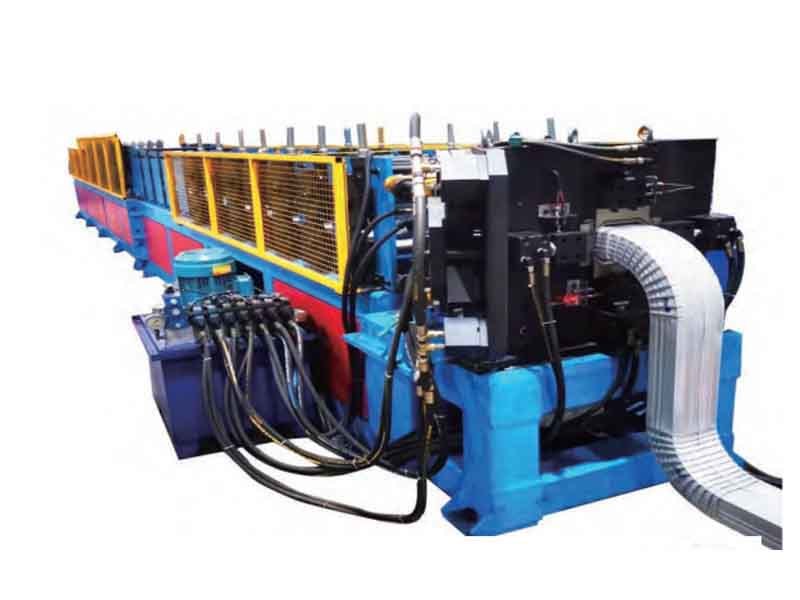
Downspout forming machines are specialized devices designed to create downspouts—vertical pipes that transport rainwater from a roof's gutter system to the ground or drainage system. These machines can produce various shapes and sizes of downspouts, adapting to different architectural needs and specifications.
How Do Downspout Forming Machines Work?
These machines typically utilize a combination of roll forming and cutting processes. Initially, raw metal sheets are fed into the machine, where they undergo a series of rollers that shape the material into a downspout profile. Cutting mechanisms then trim the formed material to the desired length. This automation allows for high throughput and precision, minimizing human error and enhancing overall productivity.
The Role of Downspout Forming Machines in Manufacturing
Enhancing Production Efficiency
One of the primary advantages of using downspout forming machines is the remarkable increase in production efficiency. Automated machines can operate at high speeds, producing numerous downspouts within a short timeframe. This capability significantly reduces production cycles, allowing manufacturers to meet rising demand without compromising quality.
Reducing Material Waste
Another critical benefit is the reduction of material waste. Traditional manufacturing methods often result in significant scrap metal due to misaligned cuts or imprecise measurements. Downspout forming machines, with their exact specifications and automated processes, substantially minimize waste, making the production process more sustainable.
Cost-Effectiveness in Manufacturing
The initial investment in downspout forming machines may be substantial, but their long-term cost-effectiveness cannot be overlooked. By streamlining production and reducing waste, these machines lead to decreased operational costs. Furthermore, the durability and reliability of these machines result in lower maintenance expenses over time.
Advantages of Using Downspout Forming Machines
Improved Product Quality
Consistency is paramount in manufacturing, especially in producing components like downspouts that must meet specific standards for functionality and aesthetics. Downspout forming machines ensure high-quality output by adhering to precise dimensions and shapes, thus enhancing the overall quality of the final product.
Flexibility in Design
Modern downspout forming machines offer remarkable flexibility in design capabilities. Manufacturers can quickly switch between different profiles and sizes, accommodating various architectural requirements. This adaptability can lead to increased customer satisfaction as companies can meet diverse client needs without extensive downtime.
Impact on Workforce Dynamics
Shifting Labor Needs in Manufacturing
While automation introduces efficiency, it also alters workforce dynamics. Downspout forming machines require skilled operators who understand the technology and can manage the machinery effectively. This shift necessitates a focus on training and development, ensuring that workers are equipped with the necessary skills to thrive in an increasingly automated industry.
Enhancing Workplace Safety
Automation also contributes to a safer workplace. By reducing the need for manual handling and labor-intensive tasks, downspout forming machines minimize the risk of workplace injuries. Operators work more efficiently in a controlled environment, ensuring safety protocols are adhered to while maximizing productivity.
Future Trends in Downspout Forming Technology
Integration with Industry 4.0
The future of downspout forming machines lies in their integration with Industry 4.0 technologies. Smart manufacturing practices, including IoT (Internet of Things) and AI (Artificial Intelligence), are paving the way for more intelligent manufacturing processes. These advancements will enable machines to self-optimize, predict maintenance needs, and enhance production planning.
Sustainability and Eco-Friendly Manufacturing
As sustainability becomes a focal point in manufacturing, downspout forming machines are also evolving to meet eco-friendly standards. Manufacturers are increasingly adopting energy-efficient machines and utilizing recyclable materials. This focus on sustainability not only complies with regulations but also appeals to environmentally conscious consumers.
Conclusion
In conclusion, downspout forming machines play a critical role in enhancing manufacturing efficiency within the metal processing industry. Their ability to improve production speed, reduce waste, and ensure high-quality outputs makes them indispensable in modern manufacturing. As technology continues to evolve, these machines will become even more integral to sustainable and efficient manufacturing practices. Investing in these machines not only boosts operational efficiency but also positions companies favorably in a competitive market, ensuring they meet the demands of the future.
Frequently Asked Questions
1. What are the primary materials used in downspout forming machines?
Downspout forming machines typically use galvanized steel, aluminum, and copper as primary materials, given their durability and resistance to weather elements.
2. How does automation in downspout forming machines affect production time?
Automation significantly reduces production time by streamlining processes such as shaping and cutting, allowing for faster turnaround times and increased output.
3. Can downspout forming machines produce custom designs?
Yes, many modern downspout forming machines can accommodate custom designs, offering flexibility to manufacturers in fulfilling specific client requests.
4. What maintenance is required for downspout forming machines?
Routine maintenance includes checking for wear and tear, lubrication of moving parts, and regular calibration to ensure precision in production.
5. How do downspout forming machines contribute to environmental sustainability?
By reducing material waste and energy consumption, downspout forming machines support eco-friendly manufacturing practices, contributing to overall environmental sustainability.

Contact Us
Email:
WhatsApp:
WhatsApp:
Address:
Xing Village, Shibawu, Botou Town, Cangzhou City, Hebei Province



Message Inquiry