A manufacturing enterprise mainly engaged in the design and manufacture of cold bending equipment

Downspout Forming Machines: Revolutionizing Metal Manufacturing for Efficiency and Precision
2026-09-03
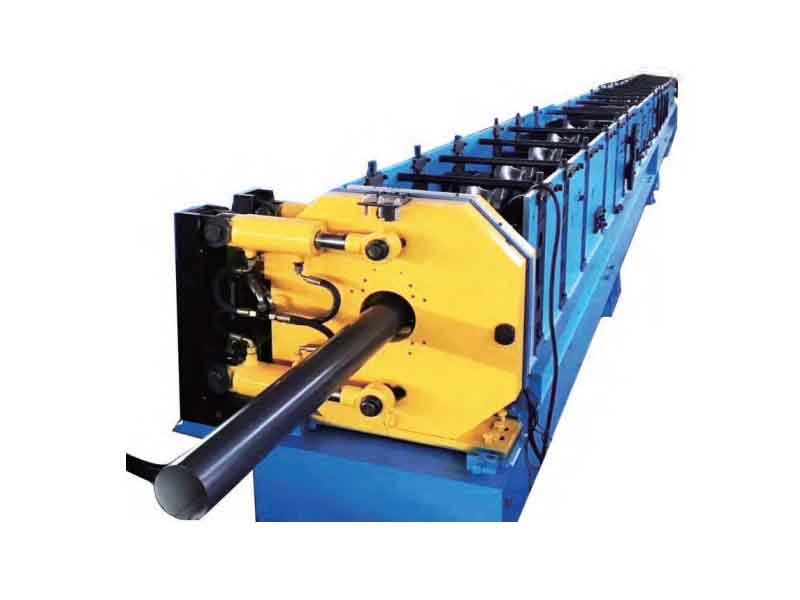
Downspout Forming Machines: Revolutionizing Metal Manufacturing for Efficiency and Precision
Table of Contents
- 1. Introduction to Downspout Forming Machines
- 2. What is a Downspout Forming Machine?
- 3. Importance of Downspout Forming Machines in Metal Manufacturing
- 4. Key Features and Technology Behind Downspout Forming Machines
- 5. Benefits of Using Downspout Forming Machines
- 6. Application Areas of Downspout Forming Machines
- 7. Maintenance and Support for Downspout Forming Machines
- 8. Future Trends in Downspout Forming Technology
- 9. Frequently Asked Questions (FAQs)
- 10. Conclusion
1. Introduction to Downspout Forming Machines
Downspout forming machines are rapidly emerging as a vital asset in the metal manufacturing industry. These specialized machines streamline the process of creating downspouts, which play a crucial role in rainwater management systems for buildings. With their ability to deliver high precision and efficiency, downspout forming machines are not just a convenience; they are a necessity for manufacturers aiming to enhance their operational workflow.
2. What is a Downspout Forming Machine?
A downspout forming machine is designed to produce downspouts from metal sheets, typically using processes such as roll forming or stamping. These machines can create various sizes and shapes of downspouts, accommodating the diverse needs of construction projects. Their innovative design allows for quick adjustments, ensuring that manufacturers can easily switch between different downspout specifications without significant downtime.
2.1 The Mechanics of Downspout Forming
The functional mechanics behind these machines involve a series of rollers that guide the metal sheets through a precise forming process. This allows for bends, angles, and curves to be made effortlessly, resulting in seamless downspout structures that fit perfectly into their intended installations.
3. Importance of Downspout Forming Machines in Metal Manufacturing
The significance of downspout forming machines extends beyond mere fabrication. They represent a critical advancement in metal manufacturing, driving efficiency and quality in production. With an increasing demand for durable and reliable downspout systems, these machines meet industry standards while optimizing the manufacturing process.
3.1 Meeting Industry Standards
Manufacturers are constantly seeking ways to adhere to evolving industry standards. Downspout forming machines help businesses comply with these requirements through their capability to produce high-quality, precise components that are essential for construction and architectural applications.
4. Key Features and Technology Behind Downspout Forming Machines
Modern downspout forming machines come equipped with advanced features that enhance their functionality. These include:
4.1 Automation and Control
Most contemporary models feature automated controls, allowing operators to program specifications and monitor the production process in real-time. This automation leads to reduced labor costs and minimized human error.
4.2 Material Versatility
These machines are compatible with various types of metal, including aluminum, steel, and copper, enabling manufacturers to diversify their product offerings and cater to different market demands.
4.3 Compact Design
The compact nature of many downspout forming machines allows them to fit into smaller manufacturing spaces without compromising on performance. This makes them ideal for both large-scale and small-scale operations.
5. Benefits of Using Downspout Forming Machines
Employing downspout forming machines in metal manufacturing yields numerous benefits that can significantly impact a business's bottom line.
5.1 Increased Production Speed
The efficiency of downspout forming machines translates into faster production cycles. This increased speed helps manufacturers meet tight deadlines and enhance customer satisfaction.
5.2 Cost-Effectiveness
By reducing material waste and optimizing labor input, downspout forming machines contribute to lower overall production costs. This cost-effectiveness positions businesses competitively in the market.
5.3 Superior Quality and Precision
The precision achieved by these machines ensures that downspouts are manufactured to exact specifications, leading to improved performance and durability in the field.
6. Application Areas of Downspout Forming Machines
Downspout forming machines find applications across various sectors, highlighting their versatility.
6.1 Residential Construction
In residential projects, downspouts are essential for directing rainwater away from foundations. The ability to customize downspouts to fit specific architectural designs is crucial in this sector.
6.2 Commercial Buildings
Commercial structures require robust downspout systems that can handle larger volumes of water. Downspout forming machines enable manufacturers to produce heavy-duty solutions that stand the test of time.
6.3 Industrial Facilities
Large industrial facilities often rely on sophisticated downspout systems for effective drainage. These machines provide tailored solutions that meet the demanding requirements of industrial applications.
7. Maintenance and Support for Downspout Forming Machines
To ensure optimal performance, regular maintenance of downspout forming machines is essential.
7.1 Routine Maintenance Practices
Implementing routine maintenance includes regular inspections, lubrication of moving parts, and ensuring that all safety features are functional. This proactive approach minimizes downtime and extends the machine's lifespan.
7.2 Training and Support
Providing comprehensive training for operators ensures that they understand how to utilize the machines effectively. Additionally, manufacturers often offer support services to address any technical issues that may arise.
8. Future Trends in Downspout Forming Technology
As technology continues to advance, downspout forming machines are likely to evolve further. Here are some anticipated trends:
8.1 Integration of Smart Technology
The integration of smart technology, including IoT sensors, will enable real-time monitoring and predictive maintenance, enhancing operational efficiency.
8.2 Sustainability Initiatives
With an increasing focus on sustainability, future downspout forming machines may utilize eco-friendly materials and manufacturing processes to reduce their environmental impact.
9. Frequently Asked Questions (FAQs)
9.1 What materials can be used with downspout forming machines?
Downspout forming machines can typically work with aluminum, steel, and copper.
9.2 How fast can a downspout forming machine produce downspouts?
Production speed varies by machine, but many can produce downspouts at high rates, significantly reducing turnaround times.
9.3 What are the maintenance requirements for these machines?
Regular inspections, lubrication, and operator training are key components of maintenance.
9.4 Can downspout forming machines be customized for specific projects?
Yes, most modern downspout forming machines allow for customization to meet specific project requirements.
9.5 What is the lifespan of a downspout forming machine?
With proper maintenance, these machines can last many years, providing consistent performance and value.
10. Conclusion
Downspout forming machines are undeniably a game changer in metal manufacturing. Their ability to enhance production efficiency, improve product quality, and reduce costs makes them invaluable assets for manufacturers. As technology continues to evolve, these machines will further solidify their role in the industry, driving innovation and sustainability in metal fabrication. Investing in downspout forming machines not only positions businesses competitively but also paves the way for future growth and success in the ever-evolving landscape of metal manufacturing.

Contact Us
Email:
WhatsApp:
WhatsApp:
Address:
Xing Village, Shibawu, Botou Town, Cangzhou City, Hebei Province



Message Inquiry