A manufacturing enterprise mainly engaged in the design and manufacture of cold bending equipment

The Essential Guide to Cold Bending Machines: Understanding Their Role in Metal Fabrication
2026-08-19
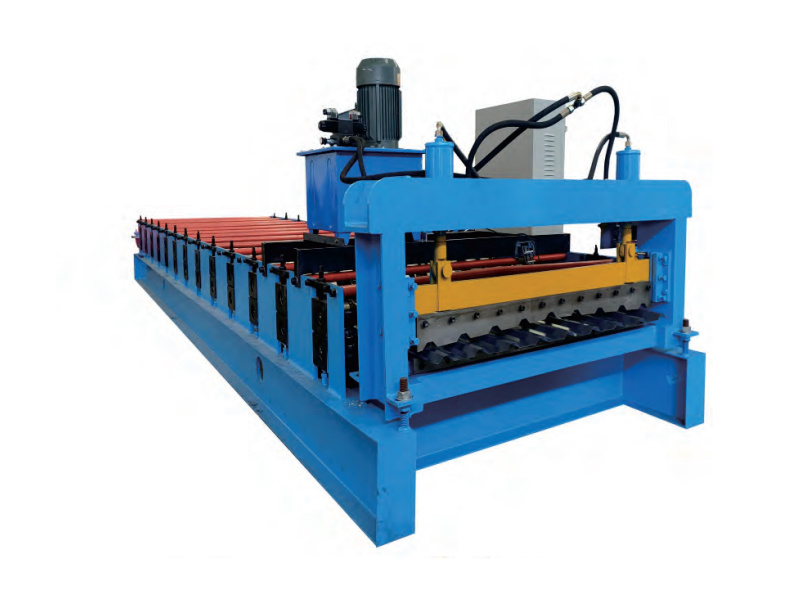
Cold bending machines are specialized tools designed for shaping metal materials without the application of heat. This process, known as cold bending, is essential in various manufacturing applications, particularly in the metal fabrication industry. By utilizing cold bending machines, manufacturers can achieve precise bends and shapes in metals while maintaining their structural integrity.
One of the primary advantages of cold bending machines is their ability to produce complex shapes with minimal distortion. Unlike hot bending methods, which require heating the metal to a pliable state, cold bending retains the original properties of the material. This is particularly important for applications where strength and durability are critical, such as in the automotive or construction industries.
Cold bending machines come in various configurations, including manual and automated systems. Manual machines are suitable for small-scale operations and allow for direct control over the bending process. In contrast, automated cold bending machines are designed for high-volume production, providing consistent results and reducing labor costs. These machines often incorporate advanced technology, such as CNC (Computer Numerical Control), enabling precise control over the bending angles and lengths.
The operating principle of cold bending machines involves the use of rollers, dies, or bending arms to apply force to the metal. The material is fed into the machine, and as it passes through the bending mechanism, it is shaped according to the desired specifications. The key parameters to consider when selecting a cold bending machine include the type of material being processed, the thickness of the metal, and the specific bend angles required.
Another significant benefit of cold bending machines is their energy efficiency. Since the process does not involve heating, it consumes less energy compared to traditional metalworking methods. This not only reduces operational costs but also minimizes the environmental impact associated with energy consumption and emissions.
Moreover, cold bending machines contribute to enhanced safety in the workplace. By eliminating the need for heating elements, the risk of burns or fire hazards is significantly reduced. Additionally, many modern machines are equipped with safety features such as emergency stops and protective enclosures to safeguard operators during the bending process.
In conclusion, cold bending machines play a vital role in the manufacturing and processing of metal components. Their ability to produce precise, durable, and complex shapes without heat makes them indispensable in various industries. By understanding the technology and advantages of cold bending machines, manufacturers can optimize their production processes and improve their overall efficiency. As the demand for high-quality metal products continues to grow, investing in advanced cold bending technology will undoubtedly enhance competitive advantage in the metalworking sector.

Contact Us
Email:
WhatsApp:
WhatsApp:
Address:
Xing Village, Shibawu, Botou Town, Cangzhou City, Hebei Province



Message Inquiry