A manufacturing enterprise mainly engaged in the design and manufacture of cold bending equipment

Elevate Your Production Line with Advanced Downspout Forming Technology
2026-05-26
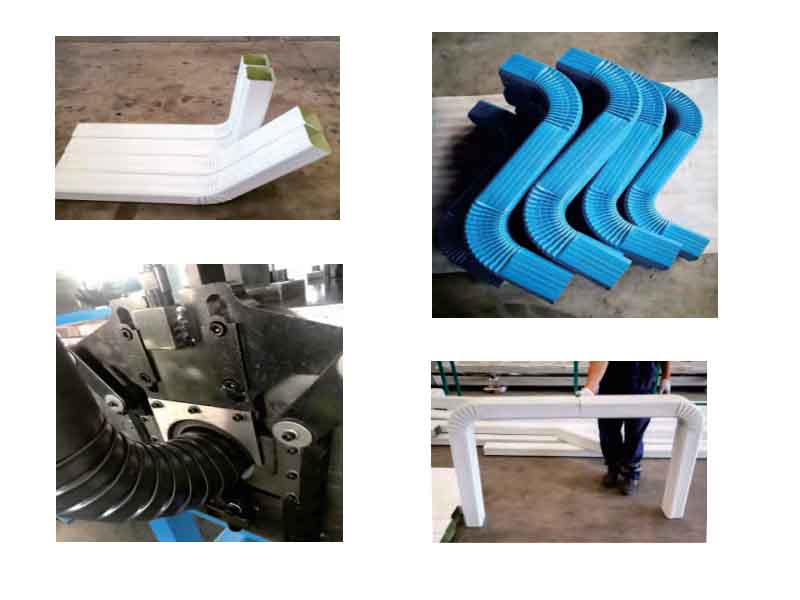
Elevate Your Production Line with Advanced Downspout Forming Technology
Introduction to Downspout Forming Technology
In the world of manufacturing, keeping pace with advancements in technology is paramount. **Downspout forming technology** has emerged as a game-changer in the realm of **metal processing machinery**. This innovative approach not only streamlines production processes but also significantly enhances the quality of the final products. As industries evolve, understanding how downspout forming technology works and its applications can elevate your production line to new heights.
What is Downspout Forming Technology?
Downspout forming technology involves the specialized techniques used to shape and manufacture downspouts, which are essential components of building drainage systems. These systems are crucial for channeling rainwater away from structures, preventing water accumulation, and protecting building foundations. The technology has evolved to incorporate advanced machinery that improves the accuracy, speed, and efficiency of production.
The Role of Metal Forming Machinery in Production Lines
**Metal forming machinery** plays a vital role in creating components that meet stringent quality standards. These machines are designed to manipulate metal, transforming raw materials into finished products through various processes such as cutting, bending, and assembling. Downspout forming technology integrates these processes, resulting in a seamless production workflow.
Key Features of Advanced Downspout Forming Machines
The latest advancements in downspout forming machines include:
- **High Precision**: Modern machines utilize CNC (Computer Numerical Control) technology, ensuring precise cuts and bends for consistent production quality.
- **Increased Speed**: Automation in forming processes significantly reduces the time required for production, allowing for higher output without compromising quality.
- **Versatility**: These machines can handle various materials and shapes, adapting easily to different production requirements.
- **User-Friendly Interfaces**: Advanced downspout forming machines come equipped with intuitive interfaces, making it easier for operators to manage settings and monitor production.
Benefits of Implementing Advanced Downspout Forming Technology
Integrating advanced downspout forming technology into your production line offers numerous benefits that can lead to enhanced operational efficiency.
1. Enhanced Production Efficiency
With automation and improved machinery capabilities, your production line can operate at optimal efficiency. This means reduced downtime and increased productivity, allowing you to meet market demands swiftly.
2. Improved Product Quality
Downspout forming technology ensures that each product meets high-quality standards. The precision of modern machines reduces the likelihood of defects, leading to a decrease in waste and rework costs.
3. Cost-Effectiveness
While the initial investment in advanced forming technology might be significant, the long-term savings are considerable. Reduced material waste, lower labor costs, and increased output contribute to a more cost-effective production process.
4. Flexibility and Customization
The ability to customize products easily is another advantage of advanced downspout forming technology. Manufacturers can quickly adjust their production lines to create various downspout designs, catering to diverse customer needs.
Choosing the Right Downspout Forming Machine for Your Needs
Selecting the appropriate downspout forming machine is critical for maximizing production capabilities. Consider the following factors:
1. Production Volume
Evaluate your production volume to determine the machine's capacity. High-volume production may require heavy-duty machines with faster processing speeds.
2. Material Compatibility
Ensure the machine can accommodate the types of materials you plan to use. Different metals may require specific processing techniques.
3. Technology Integration
Look for machines that easily integrate with existing systems. Compatibility with software and automation solutions can enhance overall efficiency.
4. Support and Maintenance
Consider the availability of technical support and maintenance services. Reliable service is essential for minimizing downtime and ensuring smooth operations.
Real-World Applications of Downspout Forming Technology
The implementation of advanced downspout forming technology spans various industries, showcasing its versatility.
1. Construction Industry
In construction, downspouts are critical for effective water management. Advanced forming technology enables the rapid production of custom downspouts tailored to specific building designs.
2. Manufacturing Sector
Manufacturers of HVAC systems and other metal components benefit from the precision and efficiency of advanced downspout forming machinery, ensuring high-quality outputs that meet industry standards.
3. Architectural Applications
Architects and designers often require unique downspout designs to complement building aesthetics. Advanced technology allows for creative flexibility in producing visually appealing solutions.
The Future of Downspout Forming Technology
As technology continues to advance, the future of downspout forming technology looks promising. Innovations in materials, robotics, and artificial intelligence will likely lead to even greater efficiencies and capabilities in production lines.
Emerging Trends to Watch
Stay informed about emerging trends that could shape the future of downspout forming technology:
- **Sustainability Initiatives**: Eco-friendly materials and processes are becoming increasingly important in manufacturing.
- **Smart Manufacturing**: The integration of IoT (Internet of Things) technology will enable real-time monitoring and adjustments, enhancing production efficiency.
- **Advanced Robotics**: The use of robotics in forming processes will further improve precision and reduce labor costs, streamlining operations.
FAQs About Advanced Downspout Forming Technology
1. What types of materials can be used with downspout forming machines?
Downspout forming machines can typically handle a variety of materials, including aluminum, stainless steel, and galvanized steel, among others.
2. How do I determine the right downspout forming machine for my production line?
Consider factors such as production volume, material compatibility, and integration with existing systems when selecting a machine.
3. What are the main benefits of using advanced downspout forming technology?
The main benefits include enhanced efficiency, improved product quality, cost-effectiveness, and flexibility in customization.
4. Can I upgrade my existing downspout forming machinery to include advanced technology?
Yes, many manufacturers offer retrofitting options to upgrade existing machines with the latest technology for improved performance.
5. What future trends should I be aware of in downspout forming technology?
Key trends include sustainability initiatives, smart manufacturing with IoT integration, and advanced robotics, all of which will shape the future of downspout forming technology.
Conclusion
Advancements in downspout forming technology have the potential to transform your production line by enhancing efficiency, improving product quality, and driving cost-effectiveness. By investing in this innovative machinery, manufacturers can stay competitive in a rapidly evolving industry. Embracing these technologies not only optimizes production processes but also paves the way for future growth and sustainability in manufacturing. As the industry continues to innovate, staying ahead of trends can ensure that your production line remains at the forefront of metal forming technology.
Previous Article:

Contact Us
Email:
WhatsApp:
WhatsApp:
Address:
Xing Village, Shibawu, Botou Town, Cangzhou City, Hebei Province



Message Inquiry