A manufacturing enterprise mainly engaged in the design and manufacture of cold bending equipment

Understanding the Benefits and Applications of Cold Bending Machines
2026-05-11
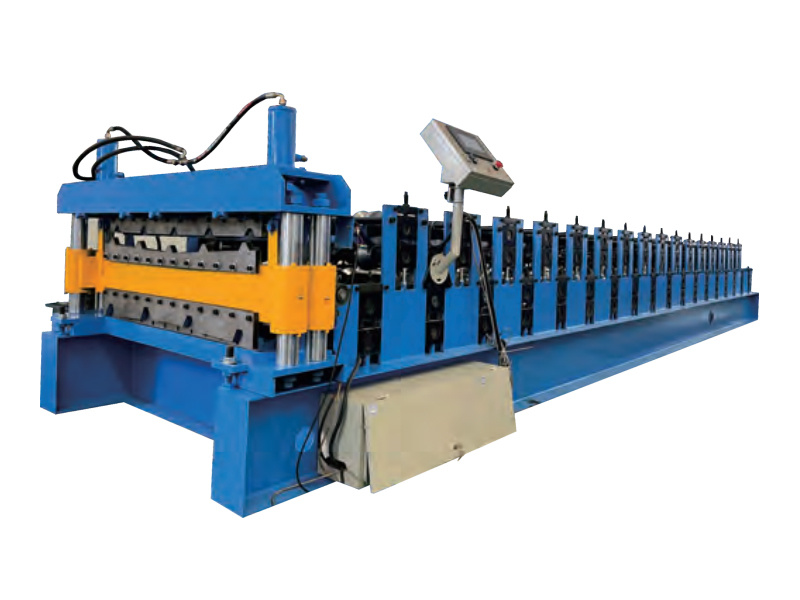
Cold bending machines are specialized tools designed to shape metal sheets and profiles without the application of heat. Utilizing advanced technology and engineering principles, these machines can bend various types of metals, including steel, aluminum, and copper, into desired configurations. One of the most significant advantages of cold bending machines is their ability to produce high-quality bends with minimal material distortion.
When using a cold bending machine, the metal is subjected to forces that cause it to yield and deform. This process ensures that the material retains its structural integrity, which is crucial in applications where strength is a primary concern. Moreover, cold bending techniques can achieve tighter radii than hot bending methods, providing greater design flexibility for engineers and manufacturers.
In the manufacturing and processing industry, cold bending machines have numerous applications. They are widely used in the construction sector for fabricating structural components such as beams, columns, and brackets. Additionally, these machines are invaluable in creating intricate parts for automotive and aerospace industries, where precision and reliability are paramount.
The efficiency of cold bending machines can lead to significant cost savings for businesses. Since the process does not involve heating the material, there is less energy consumption, and the time required for setup and operation is reduced. This not only accelerates production speeds but also increases output, allowing manufacturers to meet high demand without compromising quality.
Furthermore, advancements in technology have led to the development of CNC (Computer Numerical Control) cold bending machines. These machines offer enhanced automation and precision by allowing operators to program complex bending patterns directly into the machine. This innovation reduces the chances of human error and ensures consistent results across multiple batches, making CNC cold bending machines a preferred choice in modern manufacturing.
When considering the implementation of cold bending machines in your operations, it’s crucial to assess the specific needs of your production line. Factors such as the type of materials being processed, the complexity of the bends required, and the volume of production should all be taken into account.
In conclusion, cold bending machines represent a vital component of the metal processing industry, offering precision, efficiency, and versatility. By understanding their benefits and applications, manufacturers can make informed decisions that enhance productivity and improve their overall competitive edge. Whether in construction, automotive, or other sectors, the advantages of cold bending technology cannot be overlooked, making it a worthy investment for modern manufacturing needs.
Previous Article:

Contact Us
Email:
WhatsApp:
WhatsApp:
Address:
Xing Village, Shibawu, Botou Town, Cangzhou City, Hebei Province



Message Inquiry