A manufacturing enterprise mainly engaged in the design and manufacture of cold bending equipment

From Design to Production: The Comprehensive Journey of a Downspout Forming Machine
2026-04-06
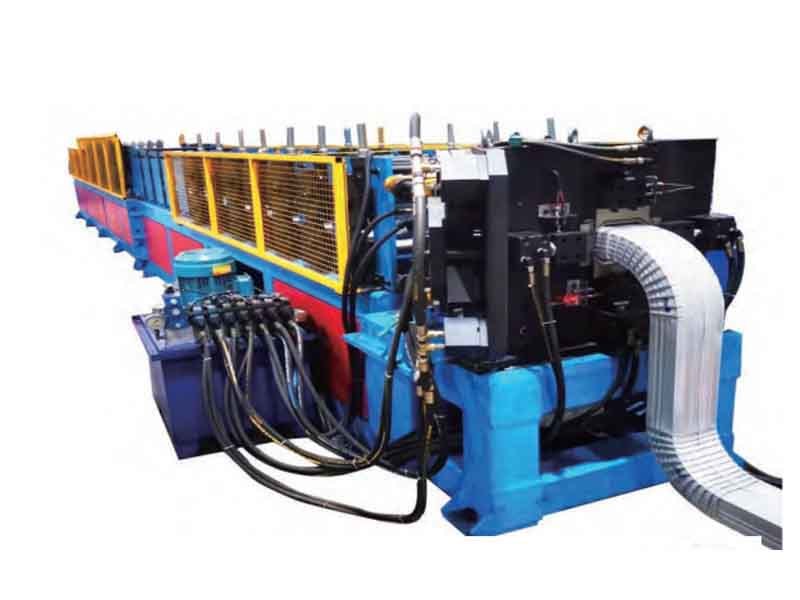
From Design to Production: The Comprehensive Journey of a Downspout Forming Machine
Table of Contents
- Introduction to Downspout Forming Machines
- The Design Phase: Crafting the Blueprint
- Prototyping: Testing the Design
- Production Planning: From Prototype to Product
- Quality Control Measures in Downspout Manufacturing
- Technological Advancements in Metal Forming
- Case Study: Success Stories in Downspout Forming
- Conclusion: The Future of Downspout Forming Machines
- Frequently Asked Questions
Introduction to Downspout Forming Machines
Downspout forming machines are pivotal in the construction and manufacturing industries, providing essential components that direct rainwater away from building foundations. These machines are engineered to shape metal sheets into downspouts with precision and efficiency. Understanding the journey from design to production reveals the complexities involved in creating these vital tools.
The Design Phase: Crafting the Blueprint
The design phase of a downspout forming machine is a critical step that lays the foundation for the entire manufacturing process. This phase involves meticulous planning and analysis to ensure that the final product meets functional and performance requirements.
Initial Concept and Requirements Gathering
The journey begins with brainstorming sessions, where engineers and designers collaborate to outline the machine's specifications. This stage involves identifying key performance indicators, such as production speed, metal thickness compatibility, and overall durability. Engaging with stakeholders, including fabricators and end-users, helps to refine the requirements, ensuring the machine serves its intended purpose effectively.
CAD Modeling: Bringing Ideas to Life
Once the initial concept is established, Computer-Aided Design (CAD) software is utilized to create detailed 3D models of the machine. This step is crucial as it allows designers to visualize the machine’s components and how they will fit and function together. The CAD models are then analyzed for feasibility, assessing aspects such as ease of manufacturing, maintenance considerations, and operational efficiency.
Prototyping: Testing the Design
Prototyping serves as a bridge between design and production, allowing engineers to validate their concepts through hands-on testing. This phase includes building a functional prototype of the downspout forming machine, which is essential for identifying potential issues before mass production.
Material Selection for Prototyping
Selecting the right materials for the prototype is vital, as it directly impacts the machine's performance and longevity. Common materials include high-strength steel and aluminum, chosen for their structural integrity and resistance to wear. The prototype is built using these materials, enabling engineers to assess the machine's capabilities under real-world conditions.
Functional Testing and Iteration
Once the prototype is constructed, it undergoes extensive functional testing. Engineers evaluate the machine's performance, focusing on factors like forming accuracy, speed, and operational reliability. Any deficiencies identified during testing prompt iterative design adjustments, refining the machine until it meets all specifications. This iterative process is crucial for ensuring that the final product is both efficient and effective.
Production Planning: From Prototype to Product
With a validated prototype in hand, the next stage involves detailed production planning. This phase outlines the steps necessary to transition the machine from a singular prototype to full-scale production.
Manufacturing Process Overview
The manufacturing process for downspout forming machines typically involves several key steps:
1. **Sheet Metal Cutting**: Large sheets of metal are cut to size using laser cutting or shearing techniques.
2. **Forming**: The cut sheets are then fed into the forming machine, where they are shaped into downspouts using various forming techniques, such as roll forming or stamping.
3. **Welding and Assembly**: Components are welded and assembled to complete the downspout.
4. **Finishing**: The final product undergoes surface finishing processes, such as painting or coating, to enhance durability and aesthetics.
Each step is meticulously planned to ensure efficiency, minimize waste, and maintain quality throughout the production process.
Supply Chain Management in Production
Efficient supply chain management is critical to the successful production of downspout forming machines. It involves coordinating the procurement of raw materials, managing inventory levels, and ensuring timely delivery of components to the manufacturing floor. Establishing strong relationships with suppliers and implementing just-in-time inventory practices can significantly enhance production efficiency and reduce costs.
Quality Control Measures in Downspout Manufacturing
Quality control is a fundamental aspect of manufacturing downspout forming machines, ensuring that each unit meets stringent industry standards. Various methods are employed to maintain quality throughout the production process.
1. **In-Process Inspections**: Regular inspections are conducted at various stages of the manufacturing process to identify defects early.
2. **Final Product Testing**: Each downspout forming machine undergoes rigorous testing before leaving the production facility, assessing factors such as performance, safety, and compliance with specifications.
3. **Feedback Loops**: Implementing feedback mechanisms allows manufacturers to learn from any issues encountered in the field, facilitating continuous improvement.
By prioritizing quality control, manufacturers can enhance customer satisfaction and reduce the risk of product failures.
Technological Advancements in Metal Forming
The metal forming industry continually evolves, driven by technological advancements that enhance the capabilities of downspout forming machines. Innovations such as automation, robotics, and advanced materials contribute to increased efficiency and precision in manufacturing.
1. **Automation and Robotics**: The integration of automated systems and robotics can streamline the production process, reducing labor costs and improving consistency. Automated material handling systems ensure that sheets are fed into the forming machine with minimal human intervention.
2. **Advanced Materials**: The development of new alloys and composite materials offers improved strength-to-weight ratios, allowing for lighter and more durable downspouts. These materials can also enhance resistance to corrosion and environmental stress.
3. **Smart Technologies**: IoT (Internet of Things) technologies enable real-time monitoring of machine performance, allowing manufacturers to optimize operations and predict maintenance needs.
By embracing these technological advancements, manufacturers can produce downspout forming machines that are more efficient, reliable, and environmentally friendly.
Case Study: Success Stories in Downspout Forming
Examining successful implementations of downspout forming machines provides valuable insights into best practices and innovative approaches in the industry. Companies that have adopted advanced forming technologies report significant improvements in production efficiency and product quality.
For instance, a leading manufacturer recently integrated automated systems into its downspout forming line, resulting in a 30% increase in production speed and a marked reduction in material waste. By leveraging real-time data analytics, the company has also improved machine uptime and reduced maintenance costs, showcasing the transformative impact of technology on production capabilities.
Conclusion: The Future of Downspout Forming Machines
The journey from design to production of downspout forming machines encapsulates a complex interplay of engineering, technology, and quality control. As the industry continues to embrace advancements in automation, materials, and smart technologies, the future of downspout forming machines looks promising. Manufacturers who prioritize innovation and quality will not only meet current market demands but will also pave the way for sustainable practices that benefit the environment and the economy.
Frequently Asked Questions
1. What is a downspout forming machine?
A downspout forming machine is a specialized piece of equipment designed to shape metal sheets into downspouts, which are essential for directing rainwater away from buildings.
2. How does the design process of a downspout forming machine typically unfold?
The design process typically involves initial concept development, requirements gathering, CAD modeling, and functional testing of prototypes.
3. What materials are commonly used in downspout forming machines?
Common materials include high-strength steel and aluminum, chosen for their durability and resistance to wear.
4. How is quality control implemented in the production of downspout forming machines?
Quality control is implemented through in-process inspections, final product testing, and feedback loops to ensure compliance with industry standards.
5. What advancements are shaping the future of downspout forming machines?
Advancements such as automation, robotics, and smart technologies are significantly enhancing the efficiency and accuracy of downspout forming machines, paving the way for future innovations.

Contact Us
Email:
WhatsApp:
WhatsApp:
Address:
Xing Village, Shibawu, Botou Town, Cangzhou City, Hebei Province



Message Inquiry