A manufacturing enterprise mainly engaged in the design and manufacture of cold bending equipment

Understanding Cold Bending Machines: Essential Tools for Metal Fabrication
2026-02-16
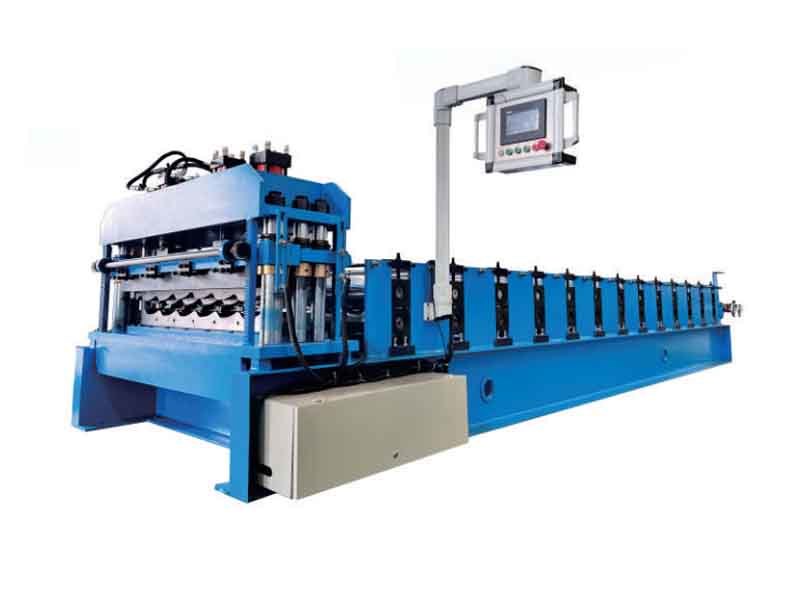
Cold bending machines are specialized tools designed to deform metal without the application of heat. This process, known as cold working, is vital for altering the shape of metal materials, allowing manufacturers to create various components used in construction, automotive, and aerospace industries. By utilizing cold bending machines, companies can achieve high precision and maintain the integrity of the metal, making them an indispensable asset in metal fabrication.
One of the primary advantages of cold bending machines is their ability to produce accurate bends and shapes with minimal material waste. Unlike traditional bending methods that may require heating the metal, cold bending preserves the material's properties, resulting in components that are stronger and more durable. The cold bending process enhances the metal's tensile strength, making it suitable for applications that demand high performance and reliability.
Cold bending machines come in various types, including CNC (Computer Numerical Control) machines, hydraulic benders, and manual benders. CNC cold bending machines are particularly popular due to their automation capabilities, allowing for complex designs and repeatable results. These machines are programmed to execute precise bends, significantly reducing the risk of human error and enhancing production efficiency.
Moreover, cold bending machines can process a wide range of metal materials, including steel, aluminum, and copper. Each material has its unique properties and requires specific bending techniques to achieve optimal results. Manufacturers must consider factors such as the metal's thickness and tensile strength when choosing the appropriate cold bending machine and technique.
The versatility of cold bending machines also extends to the variety of applications they serve. From creating frames and supports in construction to manufacturing intricate parts for machinery, the possibilities are vast. Industries such as automotive and aerospace rely heavily on cold bending to produce components that must meet strict safety and performance standards.
In summary, cold bending machines are essential tools in the metal processing industry, offering precision, efficiency, and versatility. By enabling manufacturers to shape metal accurately without heat, these machines enhance product quality and durability. Understanding the capabilities and applications of cold bending machines can help businesses optimize their manufacturing processes and achieve superior results in their projects. Whether you're a small workshop or a large manufacturing facility, investing in a cold bending machine can significantly enhance your production capabilities and meet the demands of various industries.
Previous Article:

Contact Us
Email:
WhatsApp:
WhatsApp:
Address:
Xing Village, Shibawu, Botou Town, Cangzhou City, Hebei Province



Message Inquiry