A manufacturing enterprise mainly engaged in the design and manufacture of cold bending equipment

The Future of Metal Shaping: Innovations in Downspout Forming Machines
2025-12-24
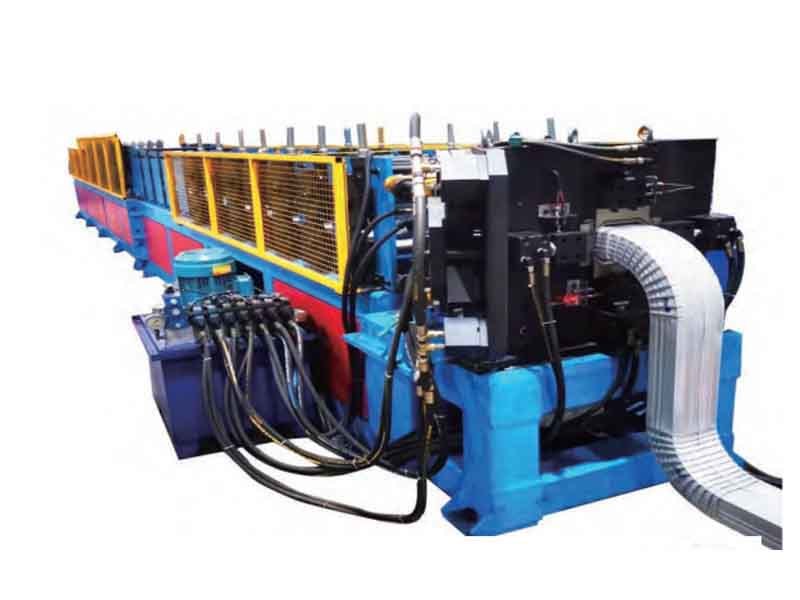
The Future of Metal Shaping: Innovations in Downspout Forming Machines
Table of Contents
- Introduction to Downspout Forming Machines
- A Historical Overview of Metal Shaping Techniques
- Current Technologies in Downspout Forming Machines
- Emerging Innovations in Metal Shaping
- Automation and Efficiency in Downspout Forming
- Sustainability in Metal Fabrication
- Case Studies: Real-World Applications
- Future Trends and Predictions
- Frequently Asked Questions
- Conclusion
Introduction to Downspout Forming Machines
The metal shaping industry is undergoing a rapid transformation, particularly in the realm of downspout forming machines. These machines play a crucial role in producing high-quality, precise, and durable downspouts that are essential for effective water drainage in residential and commercial buildings. As technology evolves, the innovations in downspout forming machines are setting new standards for efficiency, sustainability, and overall performance in metal fabrication. This article will explore the future of metal shaping, focusing on the latest advancements that are revolutionizing downspout forming.
A Historical Overview of Metal Shaping Techniques
To appreciate the innovations in downspout forming machines, it is essential to understand the historical context of metal shaping techniques. Historically, metal shaping began with manual processes and rudimentary tools. Craftsmanship was the norm, with skilled artisans shaping metal using hammers, anvils, and simple presses.
As the Industrial Revolution progressed, the introduction of machinery marked a significant turning point. The advent of stamping and extrusion processes allowed for faster production and more complex shapes. However, these early machines had limitations in precision and adaptability.
Over the past few decades, advancements in computer numerical control (CNC) technology and automation have significantly enhanced metal shaping processes. Today's downspout forming machines integrate these technologies, enabling manufacturers to create intricate designs with unparalleled accuracy.
Current Technologies in Downspout Forming Machines
Modern downspout forming machines incorporate various technologies to improve their performance and capabilities. Key current technologies include:
1. CNC Technology
CNC technology allows for precise control over the shaping process. With computer-aided design (CAD) software, manufacturers can create detailed models that guide the machine's operations. This leads to higher accuracy and consistency in the final product.
2. Hydraulic and Pneumatic Systems
Hydraulic and pneumatic systems are essential for providing the necessary force to manipulate metal sheets. These systems enable machines to handle thicker materials and produce more complex shapes, enhancing the versatility of downspout forming.
3. Laser Cutting and Welding
Laser technology has revolutionized the cutting and welding processes in metal shaping. Laser cutting provides clean edges and intricate designs, while laser welding ensures strong joints without compromising the material's integrity.
4. Integrated Quality Control Systems
Modern downspout forming machines often include integrated quality control systems that monitor the production process in real-time. These systems help identify defects early, reducing waste and ensuring high-quality output.
Emerging Innovations in Metal Shaping
As the demand for efficiency and sustainability grows, new innovations are emerging in the field of downspout forming machines.
1. Additive Manufacturing (3D Printing)
Additive manufacturing is making waves in metal shaping, allowing for the production of complex geometries that traditional methods cannot achieve. While still in its infancy for large-scale production, 3D printing of metal parts is poised to become a game-changer.
2. Smart Manufacturing
The integration of IoT (Internet of Things) technology into downspout forming machines enables smart manufacturing practices. Machines can communicate with each other and provide data analytics, significantly improving operational efficiency.
3. Advanced Materials
The development of new alloys and composite materials is enhancing the potential of downspout forming machines. These materials offer improved durability, lighter weight, and better resistance to corrosion, thereby extending the lifespan of downspouts.
4. Augmented Reality (AR) for Maintenance and Training
Augmented reality is being adopted for training and maintenance purposes. AR can help technicians visualize complex processes and troubleshoot issues in real-time, reducing downtime and improving skill levels.
Automation and Efficiency in Downspout Forming
Automation is a driving force behind the efficiency enhancements in downspout forming machines. With the incorporation of robotics and AI, manufacturers can achieve:
1. Reduced Labor Costs
Automated machines require less manual intervention, leading to significant labor cost savings. This allows companies to allocate their workforce more effectively.
2. Increased Production Speed
Automation enables faster cycle times, allowing manufacturers to produce more downspouts in a shorter period. This speed is crucial in meeting the growing demand for metal products in the construction industry.
3. Enhanced Precision
Automated systems reduce the likelihood of human error, resulting in higher precision and quality in the final products. This precision is critical for applications requiring tight tolerances.
Sustainability in Metal Fabrication
Sustainability is becoming a central concern for manufacturers in the metal shaping industry. Innovations in downspout forming machines are focusing on reducing the environmental impact of production processes.
1. Energy-Efficient Machines
New designs prioritize energy efficiency, using less power without sacrificing performance. This not only lowers operational costs but also reduces carbon emissions.
2. Recycling and Reusing Materials
Modern downspout forming machines are designed to minimize waste. Manufacturers are increasingly incorporating recycled materials into their production processes, promoting a circular economy.
3. Eco-Friendly Coatings
Innovative coatings that are free from harmful chemicals are being developed. These eco-friendly options reduce environmental impact while still providing necessary protection against corrosion.
Case Studies: Real-World Applications
To illustrate the impact of innovations in downspout forming machines, we can explore several case studies:
1. Residential Construction
A leading manufacturer adopted a new CNC downspout forming machine, drastically reducing waste and production time. This innovation enabled them to meet tight deadlines for residential projects while maintaining high-quality standards.
2. Commercial Projects
A commercial construction company utilized automation in their downspout forming process, allowing for customization of downspouts to fit unique architectural designs. This adaptability has given them a competitive edge in the market.
3. Green Building Initiatives
A manufacturer focused on sustainability implemented energy-efficient machines and eco-friendly materials, successfully aligning with green building initiatives. This move not only attracted environmentally conscious clients but also improved their marketability.
Future Trends and Predictions
The future of downspout forming machines looks promising, with several trends on the horizon:
1. Increased Customization
As clients demand more personalized solutions, manufacturers will need to invest in technologies that allow for quick and efficient customization of downspouts.
2. Integration of AI
The integration of artificial intelligence in production processes will enable predictive maintenance, reducing downtime and improving overall efficiency.
3. Global Supply Chain Optimization
As the market becomes more interconnected, optimizing supply chains through technology will be crucial for manufacturers to remain competitive.
4. New Regulatory Standards
With the growing emphasis on sustainability, new regulations are expected to emerge, requiring manufacturers to adopt environmentally friendly practices and technologies.
Frequently Asked Questions
1. What are downspout forming machines used for?
Downspout forming machines are used to create metal downspouts that help manage water drainage in residential and commercial buildings.
2. How have innovations improved the efficiency of downspout forming?
Innovations such as CNC technology, automation, and smart manufacturing practices have significantly increased the speed, precision, and cost-effectiveness of downspout forming processes.
3. What role does sustainability play in modern downspout forming?
Sustainability is critical as manufacturers strive to reduce waste, utilize energy-efficient processes, and incorporate eco-friendly materials into their production.
4. Are there any emerging technologies in downspout forming machines?
Yes, emerging technologies include additive manufacturing, smart IoT systems, and augmented reality for maintenance and training.
5. How can companies stay competitive in the metal shaping industry?
Companies can stay competitive by adopting new technologies, focusing on sustainability, and continually adapting to market demands for customization and efficiency.
Conclusion
The future of metal shaping, particularly in the realm of downspout forming machines, is bright with innovations that promise to enhance efficiency, precision, and sustainability. As manufacturers continue to embrace new technologies and practices, they will be better equipped to meet the evolving demands of the industry. From automated processes to advanced materials, the landscape of metal fabrication is changing, providing exciting opportunities for growth and development. By staying at the forefront of these innovations, manufacturers can ensure they remain competitive and relevant in a rapidly evolving market.

Contact Us
Email:
WhatsApp:
WhatsApp:
Address:
Xing Village, Shibawu, Botou Town, Cangzhou City, Hebei Province



Message Inquiry